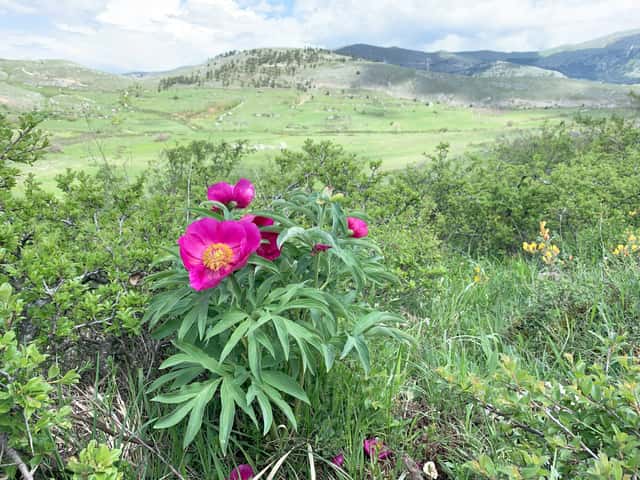
Paeoniaceae
European Common Peony — Paeonia officinalis
Paeonia officinalis
Plant in full sun to light shade in rich, well-drained soil. Water weekly, avoiding waterlogging. Fertilize in spring with phosphorus-rich fertilizer. Deadhead spent flowers. Extremely cold-hardy.
Every 7 days
Bright indirect
-29° - 30°C
40% - 70%
Categories
What is European Common Peony?
European Common Peony (Paeonia officinalis) is a medium-care plant from the Paeoniaceae family. Paeonia officinalis, the European common peony or garden peony, is a herbaceous perennial native to southern Europe. It produces large, fragrant flowers in spring in shades of red, pink, and white, growing up to 90 cm tall. It is one of the most beloved ornamental plants in European gardens, prized...
European Common Peony grows up to 90cm, spread of 90cm, watering every 7 days, -29°C – 30°C, 40–70% humidity. It is not suitable for indoor environments and not safe for pets.
Without precautions, ingestion can cause irritation in pets. Keep out of reach of cats and dogs.
How to Care for European Common Peony?
TLDR: European Common Peony needs Bright indirect, watering every 7 days, and temperatures between -29-30°C with 40-70% humidity.
How Often Should You Water European Common Peony?
Water every 7 days, keeping soil lightly moist. Reduce watering in winter dormancy. Never waterlog the crown — crown rot is the primary risk.
How Much Light Does European Common Peony Need?
Prefers full sun (minimum 6 hours daily). Tolerates light shade but produces fewer, less vibrant blooms.
What Is the Best Soil for European Common Peony?
Use rich, organically amended, well-draining soil. Ideal pH 6.0–7.5. Incorporate compost at planting. Avoid compacted or waterlogged ground.
What Pot Should You Use for European Common Peony?
Garden bed or large container with excellent drainage. Not suitable for small pots.
Care Schedule
Fertilize
Every 30 days
What Is European Common Peony and Where Does It Come From?
Paeonia officinalis, the European common peony or garden peony, is a herbaceous perennial native to southern Europe. It produces large, fragrant flowers in spring in shades of red, pink, and white, growing up to 90 cm tall. It is one of the most beloved ornamental plants in European gardens, prized for its longevity and classic beauty. CAUTION: toxic to pets and humans — roots contain paeonol.
How Big Does European Common Peony Grow?
TLDR: European Common Peony can reach up to 90cm tall with Slow growth rate.
Max height
90cm
Spread
90cm
Growth rate
Slow
Foliage
Deciduous
Warning: Toxic Plant
This plant can be toxic if ingested. Keep out of reach of:
Plant Uses
Ornamental
Great for decoration
Medicinal
Medicinal properties
Medicinal Uses
- Historically used in European folk medicine for cramps and spasms; modern medicinal use not recommended due to toxicity.
Is your plant showing symptoms?
Click on the symptom to discover possible causes:
What Diseases Commonly Affect European Common Peony?
TLDR: European Common Peony is susceptible to 15 known diseases. Monitor regularly for early detection.
Gray Mold (Botrytis Blight)
Gray mold, caused by the fungus Botrytis cinerea, is one of the most common fungal diseases in plants. It affects over 200 plant species, including ornamentals, vegetables, fruits, and houseplants. The disease thrives in cool, humid conditions with poor air circulation, causing grayish spots and soft rot on infected tissues.
Gray Mold (Botrytis Blight)
Gray mold, caused by the fungus Botrytis cinerea, is a widespread necrotrophic pathogen affecting over 1,400 plant species. It thrives in cool, humid conditions and attacks weakened or aging plant tissues, causing soft rot and characteristic gray fuzzy growth.
Powdery Mildew
Powdery mildew is a common fungal disease caused by various fungi species including Erysiphe, Podosphaera, Oïdium, and Leveillula. It affects over 10,000 plant species worldwide. The disease thrives in warm, dry climates with high humidity and appears as a distinctive white powdery coating on plant surfaces.
Leaf Spot
Leaf spot is a common fungal disease caused by various pathogens including Alternaria, Ascochyta, Colletotrichum, Septoria, and Venturia. It primarily affects leaves, causing discolored spots that can lead to premature leaf drop if left untreated.
Meaning & Symbolism
In European tradition, peony symbolizes prosperity, enduring love, good luck, honor, and romance.
Fun Facts
The common peony can thrive in the same spot for over 50 years without transplanting.
Ants visiting the buds are attracted by sugary nectar — they do not harm the plant.
The peony is China's national flower, cultivated there for over 1,500 years.
Contains paeonol, especially in roots, which is toxic to dogs, cats, and humans.
Frequently asked questions
Is the common peony toxic to pets?
When does it bloom?
Does it need full sun?
How often should I water?
Compare with similar plants
| Attribute | Difficulty | Light | Watering | Pet Safe |
|---|---|---|---|---|
| Dark Fieldcap | Medium | Low light | 2d | ⚠️ |
| Azalea | Medium | Partial shade | 3d | ⚠️ |
| Bougainvillea | Medium | Direct sun | 7d | ⚠️ |
| Wild Lettuce | Medium | Direct sun | 7d | ⚠️ |



