Aizoaceae
Living Stones: Full Sun Plant
Lithops species
Water sparingly only when soil is completely dry. Provide bright direct sunlight and avoid watering during summer dormancy period.
Every 21 days
Direct sun
10° - 38°C
20% - 40%
Categories
What is Living Stones?
Living Stones (Lithops species) is a hard-care plant from the Aizoaceae family. Lithops, known as living stones, are fascinating succulents native to South Africa that have evolved to resemble rocks and pebbles. This natural camouflage protects them from predators in their desert habitat. Each plant consists of two fused leaves with a fissure in the center from which flowers em...
Living Stones grows up to 10cm, spread of 15cm, watering every 21 days, 10°C – 38°C, 20–40% humidity. It is suitable for indoor environments and safe for pets.
Unlike easy-care plants, Living Stones demands constant attention to humidity and light. Not recommended for beginners. Unlike many popular species, Living Stones is safe to keep around pets. Without adequate drainage, root rot can develop within 42 days.
How to Care for Living Stones?
TLDR: Living Stones needs Direct sun, watering every 21 days, and temperatures between 10-38°C with 20-40% humidity.
How Often Should You Water Living Stones?
Water only when completely dry, typically every 2-4 weeks. Stop watering entirely during summer dormancy.
How Much Light Does Living Stones Need?
Requires intense direct sunlight for at least 4-5 hours daily.
What Is the Best Soil for Living Stones?
Use extremely well-draining soil: cactus mix with 50% perlite or coarse sand.
Care Schedule
Fertilize
Every 60 days
Rotate
Every 14 days
Repot
Every 730 days
What Is Living Stones and Where Does It Come From?
Lithops, known as living stones, are fascinating succulents native to South Africa that have evolved to resemble rocks and pebbles. This natural camouflage protects them from predators in their desert habitat. Each plant consists of two fused leaves with a fissure in the center from which flowers emerge.
How Big Does Living Stones Grow?
TLDR: Living Stones can reach up to 10cm tall with Slow growth rate.
Max height
10cm
Spread
15cm
Growth rate
Slow
Foliage
Evergreen
Plant Uses
Ornamental
Great for decoration
Is your plant showing symptoms?
Click on the symptom to discover possible causes:
What Diseases Commonly Affect Living Stones?
TLDR: Living Stones is susceptible to 34 known diseases. Monitor regularly for early detection.
Root Rot
Root rot is a serious fungal disease that affects the root system of plants, causing them to decay and die. It is primarily caused by overwatering, poor drainage, or soil-borne fungi such as Pythium, Phytophthora, Rhizoctonia, and Fusarium. The disease thrives in waterlogged conditions where roots are deprived of oxygen, making them susceptible to fungal infection.
Crown Rot
Crown rot is a serious fungal disease that attacks the crown (base) of the plant where the stem meets the soil. It is caused by various fungal pathogens including Phytophthora, Fusarium, and Rhizoctonia. The disease thrives in waterlogged conditions and can quickly spread to kill the entire plant if not addressed promptly.
Phytophthora Root Rot
Disease caused by fungus-like organisms (oomycetes) that live in soil and can survive for years. It affects roots, stem, and crown of plants, being especially severe in waterlogged or poorly drained soils. It is the second most common cause of root rot in trees and shrubs.
Pythium Root Rot
Pythium root rot is a serious fungal disease caused by various Pythium species including P. aphanidermatum, P. ultimum, and P. irregulare. These water molds are present in practically all cultivated soils and attack plant roots under wet conditions, causing rapid wet rot that can extend into the stem. The disease is favored by poor drainage, overwatering, and specific temperatures depending on the species.
Meaning & Symbolism
Resilience, adaptation, patience, and the ability to thrive in harsh conditions
Compare with similar plants
| Attribute | Difficulty | Light | Watering | Pet Safe |
|---|---|---|---|---|
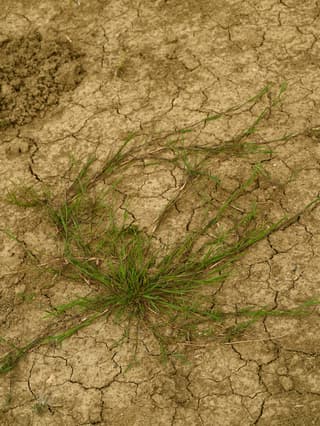
| Creeping bentgrass | Hard | Direct sun | 3d | ✓ |
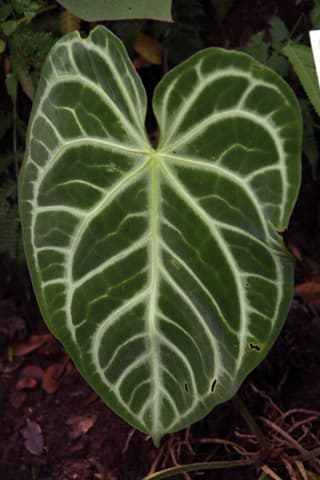
| Crystal Anthurium | Hard | Partial shade | 7d | ⚠️ |
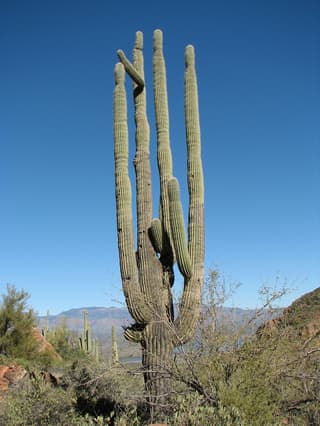
| Saguaro | Hard | Direct sun | 21d | ✓ |
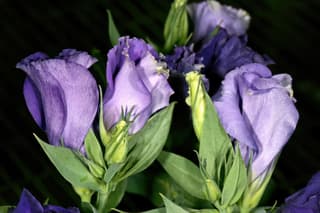
| Lisianthus | Hard | Bright indirect | 7d | ✓ |