Orobanchaceae
Wholeleaf Indian Paintbrush (Castilleja integra)
Castilleja integra
Low-maintenance once established in a sunny native garden. Drought-tolerant and adapted to poor, rocky soils. Always plant alongside a native grass or shrub as a host plant. Not suited for pots or indoor cultivation.
Every 14 days
Direct sun
-15° - 38°C
20% - 50%
Categories
What is Wholeleaf Indian Paintbrush?
Wholeleaf Indian Paintbrush (Castilleja integra) is a hard-care plant from the Orobanchaceae family. Castilleja integra (Wholeleaf Indian Paintbrush) is a perennial wildflower native to the southwestern United States and northern Mexico. Its vivid scarlet-to-orange bracts resemble a paintbrush dipped in red paint, while the true flowers hide within. A facultative root hemiparasite, it taps into nei...
Wholeleaf Indian Paintbrush grows up to 45cm, spread of 30cm, watering every 14 days, -15°C – 38°C, 20–50% humidity. It is not suitable for indoor environments and safe for pets.
Unlike easy-care plants, Wholeleaf Indian Paintbrush demands constant attention to humidity and light. Not recommended for beginners. Unlike many popular species, Wholeleaf Indian Paintbrush is safe to keep around pets.
How to Care for Wholeleaf Indian Paintbrush?
TLDR: Wholeleaf Indian Paintbrush needs Direct sun, watering every 14 days, and temperatures between -15-38°C with 20-50% humidity.
How Often Should You Water Wholeleaf Indian Paintbrush?
Water deeply every 14 days in summer. Once established, highly drought-tolerant. Never let water pool around the base.
How Much Light Does Wholeleaf Indian Paintbrush Need?
Full sun required — at least 6 hours of direct sunlight daily. Does not tolerate shade.
What Is the Best Soil for Wholeleaf Indian Paintbrush?
Sandy, gravelly, or rocky well-drained soil, pH 5.5-7.0. Avoid heavy clay. Do not over-fertilize.
What Is Wholeleaf Indian Paintbrush and Where Does It Come From?
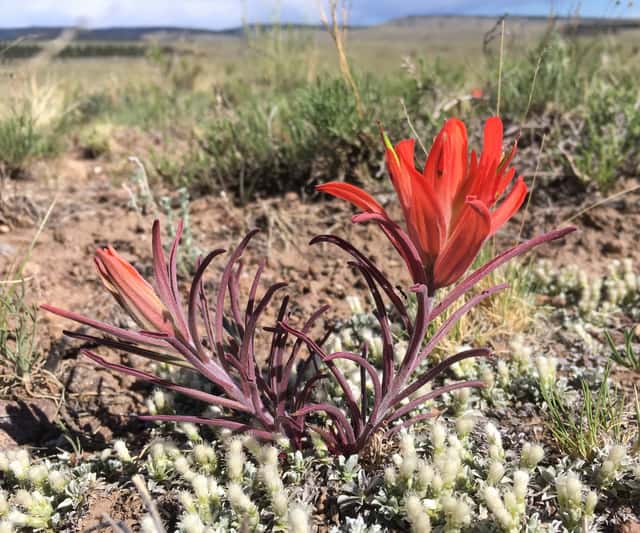
Castilleja integra (Wholeleaf Indian Paintbrush) is a perennial wildflower native to the southwestern United States and northern Mexico. Its vivid scarlet-to-orange bracts resemble a paintbrush dipped in red paint, while the true flowers hide within. A facultative root hemiparasite, it taps into neighboring plant roots to extract water and nutrients.
How Big Does Wholeleaf Indian Paintbrush Grow?
TLDR: Wholeleaf Indian Paintbrush can reach up to 45cm tall with Slow growth rate.
Max height
45cm
Spread
30cm
Growth rate
Slow
Foliage
Semi-evergreen
Warning: Toxic Plant
This plant can be toxic if ingested. Keep out of reach of:
Plant Uses
Ornamental
Great for decoration
Medicinal
Medicinal properties
Is your plant showing symptoms?
Click on the symptom to discover possible causes:
What Diseases Commonly Affect Wholeleaf Indian Paintbrush?
TLDR: Wholeleaf Indian Paintbrush is susceptible to 5 known diseases. Monitor regularly for early detection.
Aphids
Aphids are small, soft-bodied, pear-shaped insects (1/16 to 1/8 inch long) that feed by sucking nutrient-rich sap from plants. They reproduce rapidly and can quickly weaken plants, causing distorted growth and transmitting plant viruses. Aphids come in various colors including green, black, red, yellow, brown, and gray. They secrete honeydew, a sticky substance that attracts ants and encourages sooty mold growth.
Slugs and Snails
Slugs and snails are mollusks that feed on plant tissue, causing irregular holes in leaves and damage to young seedlings. They are most active at night and in moist conditions, leaving characteristic silvery slime trails. These pests can quickly devastate gardens, especially during wet seasons.
Gray Mold (Botrytis Blight)
Gray mold, caused by the fungus Botrytis cinerea, is one of the most common fungal diseases in plants. It affects over 200 plant species, including ornamentals, vegetables, fruits, and houseplants. The disease thrives in cool, humid conditions with poor air circulation, causing grayish spots and soft rot on infected tissues.
Root Rot
Root rot is a serious fungal disease that affects the root system of plants, causing them to decay and die. It is primarily caused by overwatering, poor drainage, or soil-borne fungi such as Pythium, Phytophthora, Rhizoctonia, and Fusarium. The disease thrives in waterlogged conditions where roots are deprived of oxygen, making them susceptible to fungal infection.
Meaning & Symbolism
Símbolo da beleza selvagem e da adaptação.
Fun Facts
Facultative hemiparasite — without a host plant, grows up to 41x slower.
The red parts are bracts (modified leaves), not petals. True flowers are small and greenish, hidden inside.
The tubular flower shape is perfectly adapted for hummingbird pollination.
Compare with similar plants
| Attribute | Difficulty | Light | Watering | Pet Safe |
|---|---|---|---|---|
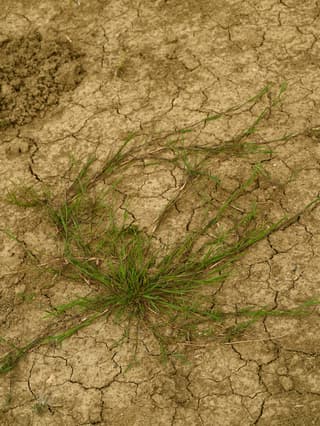
| Creeping bentgrass | Hard | Direct sun | 3d | ✓ |
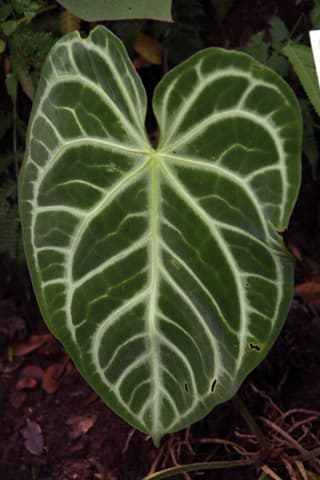
| Crystal Anthurium | Hard | Partial shade | 7d | ⚠️ |
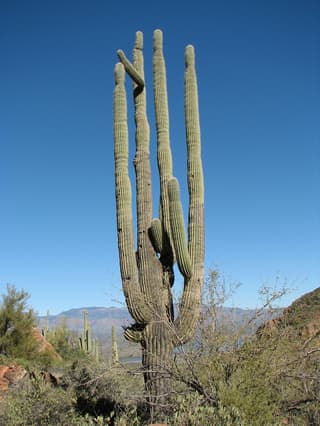
| Saguaro | Hard | Direct sun | 21d | ✓ |
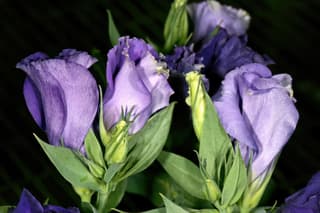
| Lisianthus | Hard | Bright indirect | 7d | ✓ |