Pinaceae
Scots Pine: Edible Plant
Pinus sylvestris
Requires full sun exposure and soil with excellent drainage. It is extremely cold-hardy but does not tolerate shade or waterlogged soils.
Every 14 days
Direct sun
-40° - 40°C
30% - 50%
Categories
What is Scots Pine?
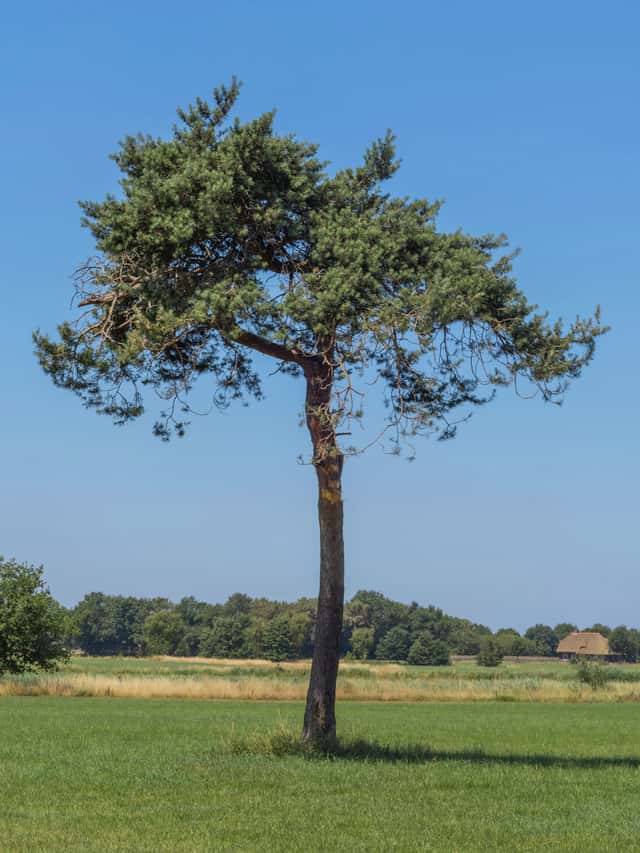
Scots Pine (Pinus sylvestris) is a medium-care plant from the Pinaceae family. Pinus sylvestris, known as the Scots Pine, is a majestic conifer native to Eurasia. It is easily recognizable by its bark, which becomes orange and flaky on the upper part of the trunk, and its blue-green needles arranged in pairs. It is one of the hardiest trees in the world, capable of thriving in...
Scots Pine grows up to 35.0m, with spread of 1000cm, watering every 14 days, -40°C – 40°C, 30–50% humidity. It is not suitable for indoor environments and safe for pets.
Unlike many popular species, Scots Pine is safe to keep around pets.
How to Care for Scots Pine?
TLDR: Scots Pine needs Direct sun, watering every 14 days, and temperatures between -40-40°C with 30-50% humidity.
How Often Should You Water Scots Pine?
Water young seedlings regularly. Established trees are very drought-tolerant and only need watering during periods of extreme drought.
How Much Light Does Scots Pine Need?
Should be planted in a location that receives direct sunlight for most of the day. Avoid shaded areas near buildings or other dense trees.
What Is the Best Soil for Scots Pine?
The soil should preferably be sandy or stony, with an acidic to neutral pH. Avoid heavy clay soils that retain too much moisture.
What Pot Should You Use for Scots Pine?
If grown as a bonsai, use unglazed ceramic pots to allow the roots to breathe. In the garden, direct planting in the ground is preferred.
Care Schedule
Fertilize
Every 90 days
What Is Scots Pine and Where Does It Come From?
Pinus sylvestris, known as the Scots Pine, is a majestic conifer native to Eurasia. It is easily recognizable by its bark, which becomes orange and flaky on the upper part of the trunk, and its blue-green needles arranged in pairs. It is one of the hardiest trees in the world, capable of thriving in Arctic climates and poor, sandy soils.
How to Propagate Scots Pine?
Sowing
- Keep the substrate moist but never waterlogged
- Protect young seedlings from birds and rodents
- 1 Collection and Extraction
Harvest mature cones and heat them slightly so the scales open and release the seeds.
- 2 Cold Stratification
Place seeds in moist sand inside a plastic bag and keep in the refrigerator for 30 days to simulate winter.
- 3 Planting
Sow in a light, sandy substrate, covering lightly with soil.
Materials needed:
Grafting
- Use extremely sharp and sterilized tools
- Keep the plant in a controlled environment after the process
- 1 Rootstock Preparation
Use a healthy young Pinus sylvestris seedling, 2 to 3 years old.
- 2 Cutting and Joining
Make a side cut on the rootstock and insert the scion of the desired variety, aligning the growth tissues.
- 3 Protection
Secure firmly with grafting tape and cover with wax to prevent dehydration.
Materials needed:
How Big Does Scots Pine Grow?
TLDR: Scots Pine can reach up to 35.0m tall with Fast growth rate.
Max height
35.0m
Spread
10.0m
Growth rate
Fast
Foliage
Evergreen
Plant Uses
Ornamental
Great for decoration
Medicinal
Medicinal properties
Edible
Can be consumed
Medicinal Uses
- Treatment of respiratory issues (expectorant)
- Relief of rheumatic pain (topical use of the oil)
- Antiseptic and diuretic properties
Culinary Uses
- Needle tea (rich in vitamin C)
- Pine bud syrup
- Flavoring for distilled spirits
Is your plant showing symptoms?
Click on the symptom to discover possible causes:
What Diseases Commonly Affect Scots Pine?
TLDR: Scots Pine is susceptible to 4 known diseases. Monitor regularly for early detection.
Root Rot
Root rot is a serious fungal disease that affects the root system of plants, causing them to decay and die. It is primarily caused by overwatering, poor drainage, or soil-borne fungi such as Pythium, Phytophthora, Rhizoctonia, and Fusarium. The disease thrives in waterlogged conditions where roots are deprived of oxygen, making them susceptible to fungal infection.
Scale Insects
Scale insects are small sap-sucking pests that appear as brown, shell-like bumps on plant stems and leaves. There are over 25 species, divided into armored (hard) and unarmored (soft) scales. They feed by piercing plant tissue and extracting sap, which weakens the plant and can lead to yellowing, stunted growth, and even death if left untreated. They also excrete honeydew, which attracts ants and promotes sooty mold growth.
Spider Mites
Spider mites are tiny arachnids (less than 1/20 inch long) related to spiders and ticks that feed on plant sap. They thrive in hot, dry conditions and can cause significant damage to ornamental and vegetable plants. During severe infestations, crop losses can reach 14% or higher as these pests disrupt vital plant processes including photosynthesis, carbon dioxide absorption, and transpiration.
Aphids
Aphids are small, soft-bodied, pear-shaped insects (1/16 to 1/8 inch long) that feed by sucking nutrient-rich sap from plants. They reproduce rapidly and can quickly weaken plants, causing distorted growth and transmitting plant viruses. Aphids come in various colors including green, black, red, yellow, brown, and gray. They secrete honeydew, a sticky substance that attracts ants and encourages sooty mold growth.
Meaning & Symbolism
Symbolizes longevity, ancestral wisdom, and the ability to remain strong in the face of life's storms.
Compare with similar plants
| Attribute | Difficulty | Light | Watering | Pet Safe |
|---|---|---|---|---|
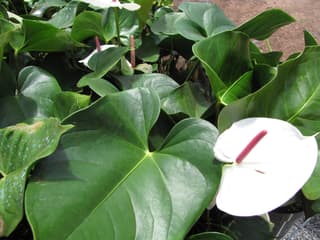
| Flamingo Flower | Medium | Partial shade | 5d | ⚠️ |
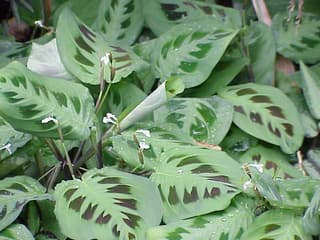
| Prayer Plant | Medium | Partial shade | 3d | ✓ |
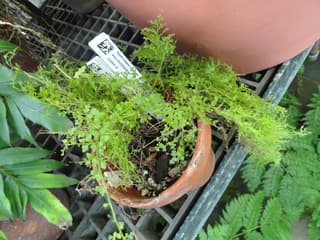
| Boston Fern | Medium | Partial shade | 3d | ✓ |
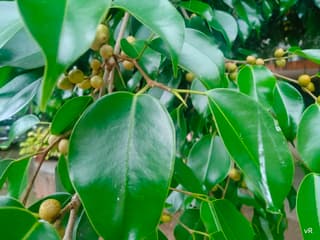
| Weeping Fig | Medium | Partial shade | 10d | ⚠️ |