Apocynaceae
Pink Kopsia (Kopsia fruticosa): Complete Care Guide
Kopsia fruticosa
A moderately demanding plant that rewards proper care with non-stop blooms. Provide full sun to partial shade (at least 4-6 hours of direct sun daily), water every 4 days keeping soil evenly moist but well-drained, fertilize every 2 months, and prune lightly after flowering to encourage compact growth and new blooms.
Every 4 days
Bright indirect
15° - 35°C
60% - 90%
Categories
What is Pink Kopsia?
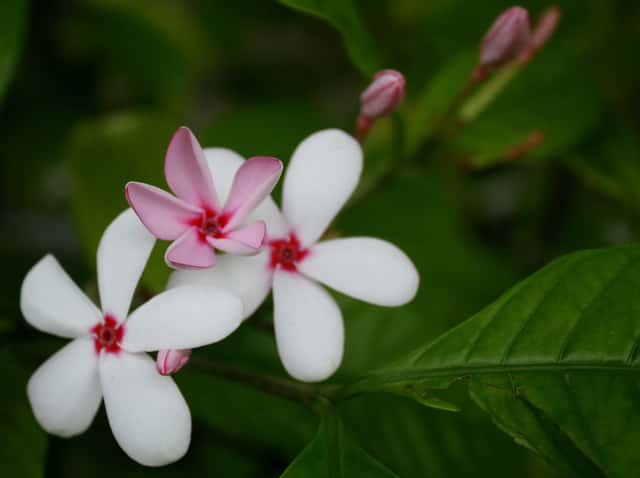
Pink Kopsia (Kopsia fruticosa) is a medium-care plant from the Apocynaceae family. Kopsia fruticosa, commonly known as Pink Kopsia or Shrub Vinca, is a tropical evergreen shrub in the Apocynaceae family, native to Southeast Asia (Malaysia, Indonesia, Thailand, and surrounding regions). Renowned for its year-round display of soft pink flowers with a striking red center, it is a pri...
Pink Kopsia grows up to 4.0m, with spread of 180cm, watering every 4 days, 15°C – 35°C, 60–90% humidity. It is suitable for indoor environments and not safe for pets.
Without precautions, ingestion can cause irritation in pets. Keep out of reach of cats and dogs. Without adequate drainage, root rot can develop within 8 days.
How to Care for Pink Kopsia?
TLDR: Pink Kopsia needs Bright indirect, watering every 4 days, and temperatures between 15-35°C with 60-90% humidity.
How Often Should You Water Pink Kopsia?
Water Pink Kopsia every 4 days, or when the top 2-3 cm of soil feels dry. Use pots with drainage holes to prevent waterlogging. During hot, dry spells, increase watering frequency slightly. Avoid letting the plant sit in standing water.
How Much Light Does Pink Kopsia Need?
Pink Kopsia thrives in full sun to partial shade. It requires at least 4-6 hours of direct sunlight daily to bloom profusely. Indoors, place near a south- or east-facing window. Insufficient light is the most common reason for poor flowering.
What Is the Best Soil for Pink Kopsia?
Use well-draining soil rich in organic matter, with a pH of 6.0-7.5. A mix of potting soil, coarse sand, and compost in equal parts works well. Avoid heavy clay soils that retain excess moisture, which can lead to root rot.
What Pot Should You Use for Pink Kopsia?
Choose terracotta or ceramic pots with drainage holes. For container growing, use a medium to large pot (20-30 cm diameter). Repot every 2 years or when roots begin emerging from drainage holes.
Care Schedule
Fertilize
Every 60 days
Repot
Every 730 days
What Is Pink Kopsia and Where Does It Come From?
Kopsia fruticosa, commonly known as Pink Kopsia or Shrub Vinca, is a tropical evergreen shrub in the Apocynaceae family, native to Southeast Asia (Malaysia, Indonesia, Thailand, and surrounding regions). Renowned for its year-round display of soft pink flowers with a striking red center, it is a prized ornamental plant in tropical and subtropical gardens. Its glossy, leathery leaves and compact upright habit make it equally suitable for garden beds, hedges, and container growing.
How to Propagate Pink Kopsia?
Stem cutting
Use clean, sterilized tools. Maintain consistent soil moisture without waterlogging. A plastic cover or humidity dome greatly improves success rates.
- 1 Cut a healthy semi-hardwood stem 10-15 cm long
- 2 Remove lower leaves, keeping only 2-3 at the tip
- 3 Apply rooting hormone powder to the cut end
- 4 Plant in moist, well-draining propagation mix
- 5 Keep in a bright, indirect light spot with high humidity
- 6 Wait 3-5 weeks for rooting before transplanting
Materials needed:
Air layering
Keep the moss consistently moist. Air layering has a higher success rate than stem cuttings for Kopsia.
- 1 Select a healthy branch 1-2 cm thick
- 2 Make a 3 cm ring cut through the bark
- 3 Apply moist sphagnum moss around the exposed area
- 4 Wrap tightly with clear plastic film, securing both ends
- 5 Wait for visible roots to form (4-8 weeks)
- 6 Cut the branch below the roots and transplant
Materials needed:
How Big Does Pink Kopsia Grow?
TLDR: Pink Kopsia can reach up to 4.0m tall with Medium growth rate.
Max height
4.0m
Spread
1.8m
Growth rate
Medium
Foliage
Evergreen
Warning: Toxic Plant
This plant can be toxic if ingested. Keep out of reach of:
Plant Uses
Ornamental
Great for decoration
Medicinal
Medicinal properties
Medicinal Uses
- Traditional medicinal use in Malaysia and Indonesia: bark extracts are used for fever and anti-inflammatory treatments. Alkaloids in the plant are studied for potential pharmaceutical applications.
Is your plant showing symptoms?
Click on the symptom to discover possible causes:
What Diseases Commonly Affect Pink Kopsia?
TLDR: Pink Kopsia is susceptible to 2 known diseases. Monitor regularly for early detection.
Scale Insects
Scale insects are small sap-sucking pests that appear as brown, shell-like bumps on plant stems and leaves. There are over 25 species, divided into armored (hard) and unarmored (soft) scales. They feed by piercing plant tissue and extracting sap, which weakens the plant and can lead to yellowing, stunted growth, and even death if left untreated. They also excrete honeydew, which attracts ants and promotes sooty mold growth.
Leaf Spot
Leaf spot is a common fungal disease caused by various pathogens including Alternaria, Ascochyta, Colletotrichum, Septoria, and Venturia. It primarily affects leaves, causing discolored spots that can lead to premature leaf drop if left untreated.
Meaning & Symbolism
In Southeast Asian cultures, Pink Kopsia symbolizes elegance, resilience, and enduring beauty, appreciated for its relentless flowering cycle throughout the year.
Fun Facts
Pink Kopsia blooms every single month of the year in tropical climates — one of very few ornamental shrubs with truly perpetual flowering
It belongs to the Apocynaceae family, which also includes frangipani (Plumeria) and oleander — all known for beautiful but toxic flowers
The species name "fruticosa" comes from Latin, meaning "shrub-like," perfectly describing its dense, bushy growth habit
Despite its beauty, every part of the plant contains alkaloids — a powerful evolutionary defense against herbivores
Frequently asked questions
How often should I water Pink Kopsia?
Can Pink Kopsia be grown indoors?
Is Pink Kopsia toxic to pets?
Why is my Pink Kopsia not blooming?
What is the best soil for Pink Kopsia?
Compare with similar plants
| Attribute | Difficulty | Light | Watering | Pet Safe |
|---|---|---|---|---|
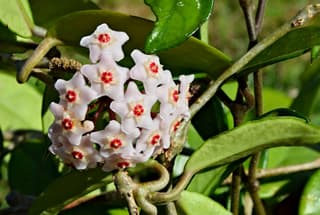
| Wax Plant | Easy | Partial shade | 10d | ✓ |
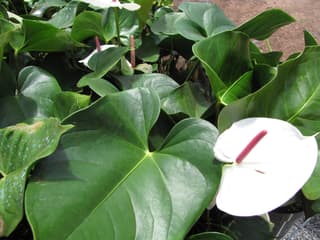
| Flamingo Flower | Medium | Partial shade | 5d | ⚠️ |
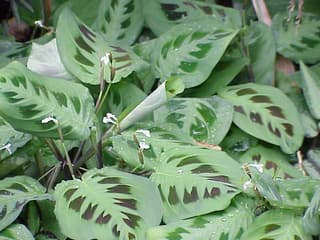
| Prayer Plant | Medium | Partial shade | 3d | ✓ |
| Boston Fern | Medium | Partial shade | 3d | ✓ |