Menispermaceae
Stephania Erecta: The Complete Care Guide for the Potato Plant
Stephania erecta
Stephania erecta is a low-maintenance plant once you understand its dormancy cycle. Water moderately during the growing season, reduce watering as leaves begin to drop, and keep nearly dry during winter dormancy. Provide bright indirect light, well-draining soil, and warm temperatures. Avoid overwatering at all costs — the caudex is highly susceptible to rot.
Every 7 days
Partial shade
13° - 27°C
40% - 60%
Categories
What is Stephania Erecta?
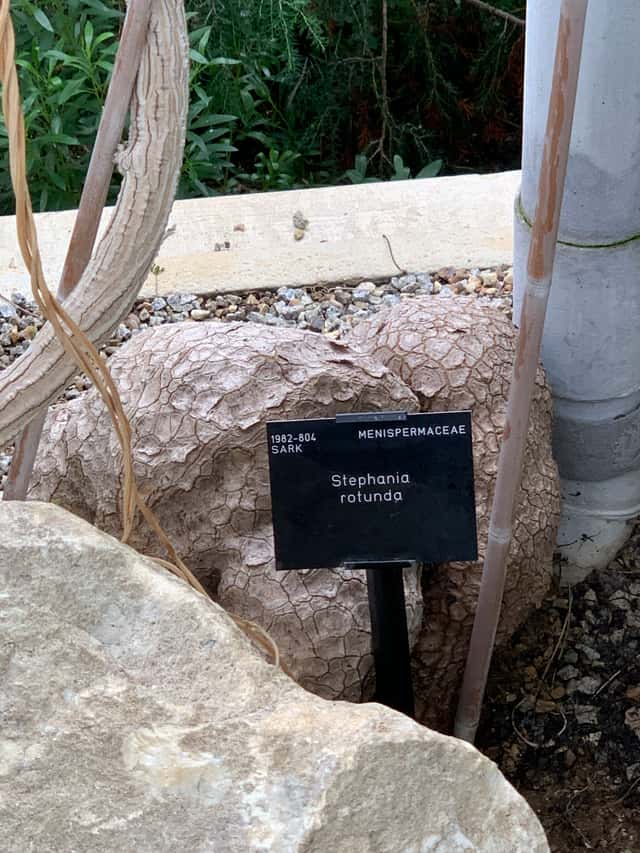
Stephania Erecta (Stephania erecta) is a medium-care plant from the Menispermaceae family. Stephania erecta is a fascinating tropical plant native to Thailand and Southeast Asia, prized for its unique potato-shaped woody caudex (bulb) from which elegant, slender stems and peltate (shield-shaped) leaves emerge. The plant goes through a natural dormancy cycle, dropping its leaves in winter...
Stephania Erecta grows up to 1.0m, with spread of 60cm, watering every 7 days, 13°C – 27°C, 40–60% humidity. It is suitable for indoor environments and not safe for pets.
Without precautions, ingestion can cause irritation in pets. Keep out of reach of cats and dogs. Without adequate drainage, root rot can develop within 14 days.
How to Care for Stephania Erecta?
TLDR: Stephania Erecta needs Partial shade, watering every 7 days, and temperatures between 13-27°C with 40-60% humidity.
How Often Should You Water Stephania Erecta?
Water once every 7 days during the growing season, allowing the top half of the soil to dry out between waterings. Use room-temperature water as cold water can shock the roots. During dormancy (winter), water no more than once a month. The caudex stores water, so err on the side of underwatering.
How Much Light Does Stephania Erecta Need?
Provide bright indirect light with a few hours of gentle morning or evening sun. Avoid harsh midday direct sun which can scorch the leaves. An east or west-facing window is ideal. During dormancy, light requirements are minimal.
What Is the Best Soil for Stephania Erecta?
Use a very well-draining mix — cactus or succulent compost works best. Avoid moisture-retaining peat-heavy soils. Adding perlite or coarse sand improves drainage. The caudex sitting in damp soil is the primary cause of rot.
What Pot Should You Use for Stephania Erecta?
Terra cotta pots are ideal as they allow excess moisture to evaporate, reducing the risk of root and caudex rot. Choose a pot with ample drainage holes. Avoid large pots — the plant prefers slightly snug conditions.
Care Schedule
Fertilize
Every 30 days
Misting
Every 3 days
Repot
Every 730 days
What Is Stephania Erecta and Where Does It Come From?
Stephania erecta is a fascinating tropical plant native to Thailand and Southeast Asia, prized for its unique potato-shaped woody caudex (bulb) from which elegant, slender stems and peltate (shield-shaped) leaves emerge. The plant goes through a natural dormancy cycle, dropping its leaves in winter and re-sprouting vigorously in spring, making it a captivating conversation piece for any plant collector.
How to Propagate Stephania Erecta?
Seed Propagation
Fresh seeds have higher germination rates. Keep soil moist but not waterlogged during germination.
- 1 Collect mature seeds when ripe from the plant
- 2 Sow seeds in a well-draining mix, covering lightly with soil
- 3 Maintain consistent moisture and warmth around 24C
- 4 Place in bright indirect light and wait for germination
- 5 Transplant seedlings once they have 2-3 true leaves
Materials needed:
Caudex Division
Only divide mature caudexes. Sterilize all cutting tools to prevent infection.
- 1 Remove the plant from its pot during dormancy
- 2 Carefully separate the caudex into sections each with roots attached
- 3 Allow cut surfaces to callous for 24 hours
- 4 Plant each section in fresh well-draining mix
- 5 Water sparingly until new growth appears
Materials needed:
How Big Does Stephania Erecta Grow?
TLDR: Stephania Erecta can reach up to 1.0m tall with Slow growth rate.
Max height
1.0m
Spread
60cm
Growth rate
Slow
Foliage
Deciduous
Warning: Toxic Plant
This plant can be toxic if ingested. Keep out of reach of:
Plant Uses
Ornamental
Great for decoration
Medicinal
Medicinal properties
Medicinal Uses
- Traditionally used in Southeast Asia to treat fever, diarrhea, and respiratory ailments. Contains bioactive alkaloids with studied anti-inflammatory and antimalarial properties.
Is your plant showing symptoms?
Click on the symptom to discover possible causes:
What Diseases Commonly Affect Stephania Erecta?
TLDR: Stephania Erecta is susceptible to 10 known diseases. Monitor regularly for early detection.
Root Rot
Root rot is a serious fungal disease that affects the root system of plants, causing them to decay and die. It is primarily caused by overwatering, poor drainage, or soil-borne fungi such as Pythium, Phytophthora, Rhizoctonia, and Fusarium. The disease thrives in waterlogged conditions where roots are deprived of oxygen, making them susceptible to fungal infection.
Crown Rot
Crown rot is a serious fungal disease that attacks the crown (base) of the plant where the stem meets the soil. It is caused by various fungal pathogens including Phytophthora, Fusarium, and Rhizoctonia. The disease thrives in waterlogged conditions and can quickly spread to kill the entire plant if not addressed promptly.
Leaf Spot
Leaf spot is a common fungal disease caused by various pathogens including Alternaria, Ascochyta, Colletotrichum, Septoria, and Venturia. It primarily affects leaves, causing discolored spots that can lead to premature leaf drop if left untreated.
Powdery Mildew
Powdery mildew is a common fungal disease caused by various fungi species including Erysiphe, Podosphaera, Oïdium, and Leveillula. It affects over 10,000 plant species worldwide. The disease thrives in warm, dry climates with high humidity and appears as a distinctive white powdery coating on plant surfaces.
Meaning & Symbolism
The name Stephania derives from the Greek "Stephanos" meaning "a crown," referencing the crown-like arrangement of anthers. This plant symbolizes resilience, patience, and the cycle of renewal through its dramatic dormancy and re-sprouting.
Fun Facts
The large caudex can grow up to 30 cm in diameter, but this takes decades — potentially a human lifetime to achieve.
Stephania erecta is a caudex plant, storing water and nutrients in its unique potato-shaped bulb to survive dry seasons.
In its native Thailand, the plant grows in rocky, well-drained hillsides where seasonal droughts are common.
The genus Stephania contains over 60 species, some used in traditional Chinese and Southeast Asian medicine.
Frequently asked questions
Why is my Stephania erecta not sprouting?
How do I know when to water Stephania erecta?
Is Stephania erecta toxic to pets?
Does Stephania erecta lose its leaves?
What kind of soil does Stephania erecta need?
Compare with similar plants
| Attribute | Difficulty | Light | Watering | Pet Safe |
|---|---|---|---|---|
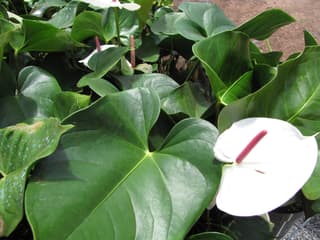
| Flamingo Flower | Medium | Partial shade | 5d | ⚠️ |
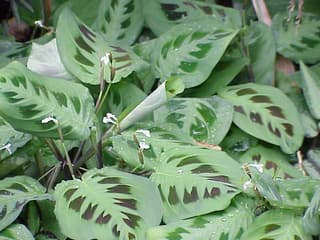
| Prayer Plant | Medium | Partial shade | 3d | ✓ |
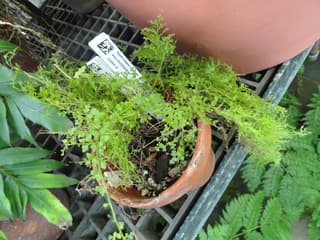
| Boston Fern | Medium | Partial shade | 3d | ✓ |
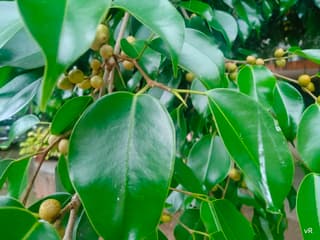
| Weeping Fig | Medium | Partial shade | 10d | ⚠️ |