Polypodiaceae
False Golden Polypody: The Blue Epiphytic Fern from the Tropical Americas
Phlebodium pseudoaureum
Medium-care fern that rewards attention to humidity and moisture. Keep soil evenly moist but never waterlogged. Provide bright indirect light and maintain humidity above 50%. Use a well-draining epiphyte mix. Fertilize monthly during the growing season.
Every 7 days
Partial shade
10° - 30°C
50% - 80%
Categories
What is False Golden Polypody?
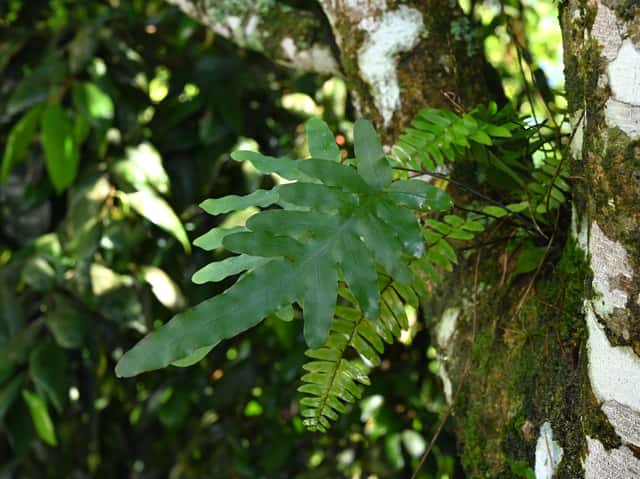
False Golden Polypody (Phlebodium pseudoaureum) is a medium-care plant from the Polypodiaceae family. Phlebodium pseudoaureum is a striking epiphytic fern native to the tropical and subtropical Americas. It produces elegant, deeply lobed fronds in a distinctive bluish-green hue, crawling along trees and rocks via creeping red-hairy rhizomes. Unlike its cousin P. aureum (Golden Polypody), this specie...
False Golden Polypody grows up to 1.5m, spread of 50cm, watering every 7 days, 10°C – 30°C, 50–80% humidity. It is suitable for indoor environments and safe for pets.
Unlike many popular species, False Golden Polypody is safe to keep around pets. Without adequate drainage, root rot can develop within 14 days.
How to Care for False Golden Polypody?
TLDR: False Golden Polypody needs Partial shade, watering every 7 days, and temperatures between 10-30°C with 50-80% humidity.
How Often Should You Water False Golden Polypody?
Water every 7 days or when the top inch of soil begins to feel slightly dry. Do not let it sit in water — root rot is the most common issue with this species. Water less in winter when growth slows.
How Much Light Does False Golden Polypody Need?
Bright indirect light is ideal — 1 to 3 hours of filtered sun near an east or north-facing window. Avoid direct afternoon sun, which can scorch the delicate fronds.
What Is the Best Soil for False Golden Polypody?
Use a well-draining epiphyte mix or blend peat-free potting mix with perlite and orchid bark. The rhizomes need air circulation at the roots. A slightly acidic to neutral pH (5.5 to 7.0) is optimal.
What Pot Should You Use for False Golden Polypody?
Shallow wide pot or hanging basket — rhizomes spread horizontally. Terracotta pots help regulate moisture. Orchid baskets work well for epiphytic display.
Care Schedule
Fertilize
Every 30 days
Misting
Every 3 days
Repot
Every 730 days
What Is False Golden Polypody and Where Does It Come From?
Phlebodium pseudoaureum is a striking epiphytic fern native to the tropical and subtropical Americas. It produces elegant, deeply lobed fronds in a distinctive bluish-green hue, crawling along trees and rocks via creeping red-hairy rhizomes. Unlike its cousin P. aureum (Golden Polypody), this species is distinguished by its more glaucous, muted blue-green coloration and smaller stature. It thrives from cloud forests to tropical lowlands, making it one of the most adaptable ferns in the Polypodiaceae family.
How to Propagate False Golden Polypody?
Rhizome Division
Sterilise your cutting tool before and after to avoid transferring pathogens. Keep divisions warm above 18C during establishment.
- 1 Remove plant from pot in spring
- 2 Identify separate rhizome sections each with at least one healthy frond
- 3 Cut rhizomes with a clean sharp knife
- 4 Plant each section into fresh epiphyte mix
- 5 Keep moist and in bright indirect light until established
Materials needed:
Spore Propagation
Spore propagation requires patience and sterile conditions to avoid mould contamination. Use distilled water.
- 1 Collect mature sori from the underside of fronds when brown
- 2 Tap spores onto a sterile moist surface such as peat or sphagnum
- 3 Cover with clear plastic to retain humidity
- 4 Place in bright indirect light at 20-24C
- 5 Transplant prothalli once large enough to handle
Materials needed:
How Big Does False Golden Polypody Grow?
TLDR: False Golden Polypody can reach up to 1.5m tall with Medium growth rate.
Max height
1.5m
Spread
50cm
Growth rate
Medium
Foliage
Evergreen
Plant Uses
Ornamental
Great for decoration
Medicinal
Medicinal properties
Medicinal Uses
- Rhizome extracts used in traditional Mesoamerican medicine for respiratory, urinary, and skin conditions; studied for potential in treating psoriasis and vitiligo
Is your plant showing symptoms?
Click on the symptom to discover possible causes:
What Diseases Commonly Affect False Golden Polypody?
TLDR: False Golden Polypody is susceptible to 8 known diseases. Monitor regularly for early detection.
Root Rot
Root rot is a serious fungal disease that affects the root system of plants, causing them to decay and die. It is primarily caused by overwatering, poor drainage, or soil-borne fungi such as Pythium, Phytophthora, Rhizoctonia, and Fusarium. The disease thrives in waterlogged conditions where roots are deprived of oxygen, making them susceptible to fungal infection.
Leaf Spot
Leaf spot is a common fungal disease caused by various pathogens including Alternaria, Ascochyta, Colletotrichum, Septoria, and Venturia. It primarily affects leaves, causing discolored spots that can lead to premature leaf drop if left untreated.
Powdery Mildew
Powdery mildew is a common fungal disease caused by various fungi species including Erysiphe, Podosphaera, Oïdium, and Leveillula. It affects over 10,000 plant species worldwide. The disease thrives in warm, dry climates with high humidity and appears as a distinctive white powdery coating on plant surfaces.
Spider Mites
Spider mites are tiny arachnids (less than 1/20 inch long) related to spiders and ticks that feed on plant sap. They thrive in hot, dry conditions and can cause significant damage to ornamental and vegetable plants. During severe infestations, crop losses can reach 14% or higher as these pests disrupt vital plant processes including photosynthesis, carbon dioxide absorption, and transpiration.
Meaning & Symbolism
Embodies resilience and adaptability — this fern clings to bark and stone through drought and flood alike, symbolising quiet endurance.
Fun Facts
Phlebodium pseudoaureum can grow epiphytically on tree bark, rocky outcrops, and mossy boulders — no soil required.
The rhizomes are covered in distinctive reddish hairs, earning it the nickname Blue Rabbit's Foot Fern.
Traditional Mesoamerican healers have used rhizome extracts to treat everything from respiratory illness to skin conditions for centuries.
Unlike most ferns, it tolerates a brief dry spell between waterings, making it more forgiving than typical high-humidity ferns.
Frequently asked questions
How often should I water False Golden Polypody?
What light does Phlebodium pseudoaureum need?
Is False Golden Polypody toxic to pets?
How is False Golden Polypody different from P. aureum?
Can I grow False Golden Polypody outdoors?
Compare with similar plants
| Attribute | Difficulty | Light | Watering | Pet Safe |
|---|---|---|---|---|
| Dark Fieldcap | Medium | Low light | 2d | ⚠️ |
| Azalea | Medium | Partial shade | 3d | ⚠️ |
| Bougainvillea | Medium | Direct sun | 7d | ⚠️ |
| Wild Lettuce | Medium | Direct sun | 7d | ⚠️ |



