Rosaceae
Prunus — The Cherry, Plum & Peach Tree Genus
Prunus
Plant in full sun with well-draining loamy soil. Water every 7-10 days during the growing season; reduce in winter dormancy. Fertilize in early spring. Prune after flowering to maintain shape. Monitor for aphids, scale insects, and fungal diseases like powdery mildew and brown rot.
Every 8 days
Direct sun
-20° - 35°C
40% - 70%
Categories
What is Plum / Cherry (genus)?
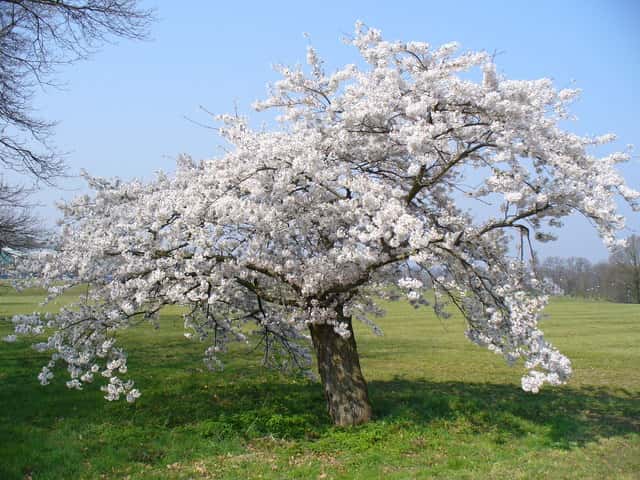
Plum / Cherry (genus) (Prunus) is a medium-care plant from the Rosaceae family. Prunus is one of the largest and most economically important genera in the rose family (Rosaceae), comprising over 400 species of trees and shrubs including cherries, plums, peaches, almonds, and apricots. Native to temperate regions of the Northern Hemisphere, these deciduous plants are celebrated...
Plum / Cherry (genus) grows up to 8.0m, spread of 600cm, watering every 8 days, -20°C – 35°C, 40–70% humidity. It is not suitable for indoor environments and not safe for pets.
Without precautions, ingestion can cause irritation in pets. Keep out of reach of cats and dogs.
How to Care for Plum / Cherry (genus)?
TLDR: Plum / Cherry (genus) needs Direct sun, watering every 8 days, and temperatures between -20-35°C with 40-70% humidity.
How Often Should You Water Plum / Cherry (genus)?
Water deeply every 7-10 days during active growth (spring and summer). Allow soil to partially dry between waterings. Significantly reduce watering in winter when trees are dormant. Avoid waterlogged soil, which promotes root rot and fungal cankers.
How Much Light Does Plum / Cherry (genus) Need?
Requires full sun — at least 6 hours of direct sunlight daily — for optimal flowering and fruiting. Insufficient light leads to poor blossom set and increased disease susceptibility.
What Is the Best Soil for Plum / Cherry (genus)?
Prefers loamy, well-drained soil with a slightly acidic to neutral pH (6.0–7.5). Avoid heavy clay or waterlogged soils. Good drainage is critical to prevent crown rot and bacterial canker.
What Pot Should You Use for Plum / Cherry (genus)?
Large clay or wooden containers for dwarf varieties; direct ground planting recommended for standard-sized trees.
Care Schedule
Fertilize
Every 90 days
What Is Plum / Cherry (genus) and Where Does It Come From?
Prunus is one of the largest and most economically important genera in the rose family (Rosaceae), comprising over 400 species of trees and shrubs including cherries, plums, peaches, almonds, and apricots. Native to temperate regions of the Northern Hemisphere, these deciduous plants are celebrated for their spectacular spring blossoms and edible fruits. They thrive in full sun and well-drained soils, tolerating cold winters down to USDA zone 4.
How to Propagate Plum / Cherry (genus)?
Grafting
Grafting is the standard commercial method to preserve varietal characteristics. Sterilize all tools to prevent bacterial diseases like crown gall.
- 1 Select a healthy rootstock of the same family
- 2 Cut scion wood with 2-3 buds at an angle
- 3 Join scion to rootstock and wrap with grafting tape
- 4 Keep in a sheltered location until buds break
- 5 Remove tape once graft union is confirmed
Materials needed:
Seed propagation
Seed-grown plants may not preserve the parent variety traits. Use grafting for named cultivars.
- 1 Collect ripe fruits and clean seeds
- 2 Cold-stratify seeds in moist sand for 60-90 days in refrigerator
- 3 Sow in well-draining seed mix in spring
- 4 Keep moist in indirect light until germination
- 5 Transplant when seedlings reach 15-20 cm
Materials needed:
How Big Does Plum / Cherry (genus) Grow?
TLDR: Plum / Cherry (genus) can reach up to 8.0m tall with Medium growth rate.
Max height
8.0m
Spread
6.0m
Growth rate
Medium
Foliage
Deciduous
Warning: Toxic Plant
This plant can be toxic if ingested. Keep out of reach of:
Plant Uses
Ornamental
Great for decoration
Edible
Can be consumed
Medicinal Uses
- Almond seeds used in traditional medicine
- Bark of some species has astringent properties
Culinary Uses
- Cherries eaten fresh, in jams and pies
- Plums used in compotes and prune juice
- Peaches in cobblers, jams and beverages
- Almonds as nuts and almond flour
Is your plant showing symptoms?
Click on the symptom to discover possible causes:
What Diseases Commonly Affect Plum / Cherry (genus)?
TLDR: Plum / Cherry (genus) is susceptible to 6 known diseases. Monitor regularly for early detection.
Gray Mold (Botrytis Blight)
Gray mold, caused by the fungus Botrytis cinerea, is a widespread necrotrophic pathogen affecting over 1,400 plant species. It thrives in cool, humid conditions and attacks weakened or aging plant tissues, causing soft rot and characteristic gray fuzzy growth.
Powdery Mildew
Powdery mildew is a common fungal disease caused by various fungi species including Erysiphe, Podosphaera, Oïdium, and Leveillula. It affects over 10,000 plant species worldwide. The disease thrives in warm, dry climates with high humidity and appears as a distinctive white powdery coating on plant surfaces.
Leaf Spot
Leaf spot is a common fungal disease caused by various pathogens including Alternaria, Ascochyta, Colletotrichum, Septoria, and Venturia. It primarily affects leaves, causing discolored spots that can lead to premature leaf drop if left untreated.
Aphids
Aphids are small, soft-bodied, pear-shaped insects (1/16 to 1/8 inch long) that feed by sucking nutrient-rich sap from plants. They reproduce rapidly and can quickly weaken plants, causing distorted growth and transmitting plant viruses. Aphids come in various colors including green, black, red, yellow, brown, and gray. They secrete honeydew, a sticky substance that attracts ants and encourages sooty mold growth.
Meaning & Symbolism
In Japan, the cherry blossom (sakura) represents the transient beauty of life and is the centerpiece of hanami celebrations. In Western culture, Prunus blossoms symbolize spring renewal, hope, and new beginnings.
Fun Facts
The Prunus genus contains over 400 species found across the Northern Hemisphere
Japanese cherry blossoms (sakura) are Japan national flower and symbol
The almonds we eat are technically the seeds of Prunus dulcis
Cherry and plum pits contain trace amounts of naturally occurring cyanide
Frequently asked questions
How often should I water a Prunus tree?
Is Prunus toxic to pets?
When does Prunus bloom?
What are the most common diseases affecting Prunus?
Compare with similar plants
| Attribute | Difficulty | Light | Watering | Pet Safe |
|---|---|---|---|---|
| Dark Fieldcap | Medium | Low light | 2d | ⚠️ |
| Azalea | Medium | Partial shade | 3d | ⚠️ |
| Bougainvillea | Medium | Direct sun | 7d | ⚠️ |
| Wild Lettuce | Medium | Direct sun | 7d | ⚠️ |



