Brassicaceae
Brassica oleracea – Wild Cabbage, Kale, Broccoli & More
Brassica oleracea
Full sun, consistent watering every 5–7 days, fertile well-draining loamy soil with pH 6.0–7.5. Grows outdoors in zones 3a–10b as a cool-season crop. Fertilize every 2 weeks with nitrogen-rich fertilizer. Trim outer leaves to encourage new growth.
Every 7 days
Direct sun
-5° - 24°C
40% - 70%
Categories
What is Wild Cabbage?
Wild Cabbage (Brassica oleracea) is a medium-care plant from the Brassicaceae family. Brassica oleracea is the wild ancestor of many of the world's most important vegetables, including cabbage, kale, broccoli, cauliflower, Brussels sprouts, kohlrabi, and collard greens. Native to the coastal cliffs of the Mediterranean and Atlantic Europe, this biennial or perennial herb has been cul...
Wild Cabbage grows up to 2.0m, spread of 90cm, watering every 7 days, -5°C – 24°C, 40–70% humidity. It is not suitable for indoor environments and safe for pets.
Unlike many popular species, Wild Cabbage is safe to keep around pets.
How to Care for Wild Cabbage?
TLDR: Wild Cabbage needs Direct sun, watering every 7 days, and temperatures between -5-24°C with 40-70% humidity.
How Often Should You Water Wild Cabbage?
Water deeply every 5–7 days, providing 1–1.5 inches per week. Never allow soil to dry out completely between waterings. Water at the base to avoid wetting foliage and prevent fungal issues.
How Much Light Does Wild Cabbage Need?
Plant in full sun — at least 6 hours of direct sunlight per day. In hot climates, light afternoon shade helps prevent bolting. Grows best at 10–21°C.
What Is the Best Soil for Wild Cabbage?
Use fertile, well-draining loamy soil with pH 6.0–7.5. Amend with compost before planting. Brassicas are heavy feeders — incorporate a balanced fertilizer at planting time.
What Pot Should You Use for Wild Cabbage?
Outdoor beds or large raised garden beds. For container growing use pots of at least 30–40 cm diameter with drainage holes.
Care Schedule
Fertilize
Every 14 days
What Is Wild Cabbage and Where Does It Come From?
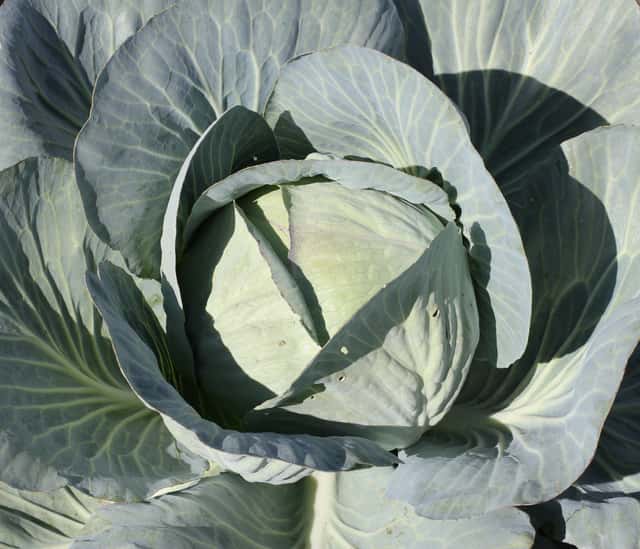
Brassica oleracea is the wild ancestor of many of the world's most important vegetables, including cabbage, kale, broccoli, cauliflower, Brussels sprouts, kohlrabi, and collard greens. Native to the coastal cliffs of the Mediterranean and Atlantic Europe, this biennial or perennial herb has been cultivated for over 2,000 years and selectively bred into an extraordinary array of cultivar groups. In its wild form it produces wavy blue-green leaves, a sturdy erect stem, and clusters of small yellow flowers. As the parent species of all these major cultivar groups, Brassica oleracea represents one of humanity's greatest achievements in plant domestication — transforming a coastal weed into the world's most important leafy edible crop.
How to Propagate Wild Cabbage?
Seed Propagation
Start seeds indoors 4–6 weeks before last frost. Harden seedlings before outdoor transplanting.
- 1 Sow seeds 0.5–1 cm deep in seed trays or directly in the ground
- 2 Keep soil moist and at 15–20°C for germination
- 3 Thin seedlings to 45–60 cm apart once established
- 4 Transplant to final position when 10–15 cm tall
Materials needed:
How Big Does Wild Cabbage Grow?
TLDR: Wild Cabbage can reach up to 2.0m tall with Medium growth rate.
Max height
2.0m
Spread
90cm
Growth rate
Medium
Foliage
Deciduous
Plant Uses
Edible
Can be consumed
Medicinal
Medicinal properties
Medicinal Uses
- Anti-inflammatory properties
- Rich in vitamin C and K supporting immune function
- Glucosinolates studied for cancer-preventive properties
Culinary Uses
- Leaves eaten raw or cooked (kale, collard greens, cabbage)
- Heads eaten as broccoli and cauliflower
- Stems used as kohlrabi
- Brussels sprouts — miniature leafy heads
- Fermented as sauerkraut and kimchi
- Staple in soups, stews, stir-fries, and salads worldwide
Is your plant showing symptoms?
Click on the symptom to discover possible causes:
What Diseases Commonly Affect Wild Cabbage?
TLDR: Wild Cabbage is susceptible to 11 known diseases. Monitor regularly for early detection.
Alternaria Leaf Spot
Alternaria leaf spot is a common fungal disease caused by Alternaria solani and Alternaria alternata that affects a wide range of plants including tomatoes, potatoes, brassicas, and ornamentals. The disease thrives in warm, humid conditions and can cause significant crop damage if left untreated. Spores overwinter on plant debris and can attach to seeds, making complete elimination difficult.
Downy Mildew
Downy mildew is a fungal-like disease caused by oomycetes (water molds) that thrives in cool, wet conditions. It affects a wide range of plants, causing yellowing leaves with fuzzy white-gray growth underneath, leading to defoliation and reduced yields if left untreated.
Fusarium Wilt
Fusarium wilt is a serious fungal disease caused by the soil-borne fungus Fusarium oxysporum. The fungus invades roots and blocks the water-conducting vessels (xylem) of the plant, causing progressive wilting and eventual death. Host-specific forms of the pathogen exist that attack different plant species.
Aphids
Aphids are small, soft-bodied, pear-shaped insects (1/16 to 1/8 inch long) that feed by sucking nutrient-rich sap from plants. They reproduce rapidly and can quickly weaken plants, causing distorted growth and transmitting plant viruses. Aphids come in various colors including green, black, red, yellow, brown, and gray. They secrete honeydew, a sticky substance that attracts ants and encourages sooty mold growth.
Meaning & Symbolism
Symbol of abundance, resilience, and transformation. Historically associated with good health and prosperity in European folk traditions.
Fun Facts
Brassica oleracea is the single wild species behind 7 major vegetable groups — one of the greatest examples of human-guided plant evolution.
Wild Cabbage still grows on coastal cliffs in the UK, France, and the Mediterranean, looking nothing like its cultivated descendants.
Kale was the most widely grown vegetable in Europe during the Middle Ages and remained so until the 17th century.
Broccoli was first cultivated in Italy and introduced to England and America in the 18th century.
Frequently asked questions
What vegetables come from Brassica oleracea?
Is Brassica oleracea easy to grow?
Is Wild Cabbage toxic to pets?
How often should I water Brassica oleracea?
What are the most common problems?
Compare with similar plants
| Attribute | Difficulty | Light | Watering | Pet Safe |
|---|---|---|---|---|
| Dark Fieldcap | Medium | Low light | 2d | ⚠️ |
| Azalea | Medium | Partial shade | 3d | ⚠️ |
| Bougainvillea | Medium | Direct sun | 7d | ⚠️ |
| Wild Lettuce | Medium | Direct sun | 7d | ⚠️ |



