Zingiberaceae
Resurrection Lily (Kaempferia rotunda): Complete Care Guide
Kaempferia rotunda
Moderate-care plant requiring partial shade, high humidity, and rich well-draining soil. Goes fully dormant in winter — reduce watering significantly. Mist foliage regularly and fertilize every 2 months during active growth.
Every 7 days
Low light
13° - 32°C
60% - 80%
Categories
What is Resurrection Lily?
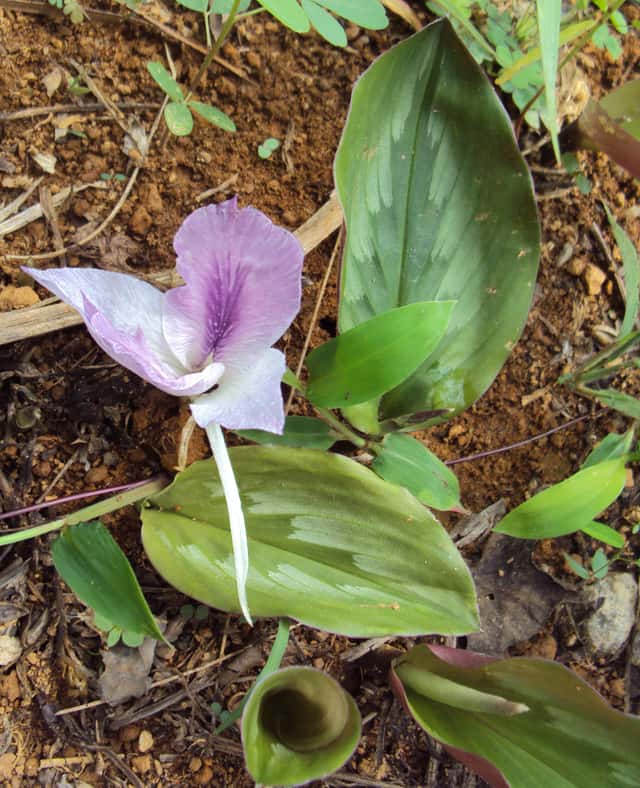
Resurrection Lily (Kaempferia rotunda) is a medium-care plant from the Zingiberaceae family. Kaempferia rotunda, commonly known as Resurrection Lily or Tropical Crocus, is a perennial herbaceous plant in the Zingiberaceae family, native to Southeast Asia including India and Myanmar. It is celebrated for its stunning purple and white flowers that emerge directly from the ground before the le...
Resurrection Lily grows up to 25cm, with spread of 40cm, watering every 7 days, 13°C – 32°C, 60–80% humidity. It is suitable for indoor environments and safe for pets.
Unlike many popular species, Resurrection Lily is safe to keep around pets. Without adequate drainage, root rot can develop within 14 days.
How to Care for Resurrection Lily?
TLDR: Resurrection Lily needs Low light, watering every 7 days, and temperatures between 13-32°C with 60-80% humidity.
How Often Should You Water Resurrection Lily?
Water weekly during the growing season, keeping soil evenly moist but never waterlogged. Drastically reduce watering in fall/winter during dormancy to prevent rhizome rot. Allow the top 2-3 cm of soil to dry slightly between waterings.
How Much Light Does Resurrection Lily Need?
Prefers partial to full shade, avoiding direct sunlight that can scorch leaves. Indoors, place near windows with bright indirect light. Does not tolerate prolonged afternoon sun exposure.
What Is the Best Soil for Resurrection Lily?
Use rich organic substrate with excellent drainage. Mix potting soil with compost and perlite to ensure proper drainage. Maintain pH between 6.0 and 7.0. Avoid clay-heavy soils that retain excess moisture.
What Pot Should You Use for Resurrection Lily?
Terracotta or ceramic pots with drainage holes are ideal, as they allow good root aeration and prevent moisture buildup. Avoid dark plastic pots that retain excessive heat.
Care Schedule
Fertilize
Every 60 days
Misting
Every 3 days
Repot
Every 365 days
What Is Resurrection Lily and Where Does It Come From?
Kaempferia rotunda, commonly known as Resurrection Lily or Tropical Crocus, is a perennial herbaceous plant in the Zingiberaceae family, native to Southeast Asia including India and Myanmar. It is celebrated for its stunning purple and white flowers that emerge directly from the ground before the leaves appear each spring, creating a magical display reminiscent of a resurrection. The broad ornamental leaves feature decorative patterns in shades of green. During winter, the plant enters full dormancy, dying back completely to the rhizome, only to resurge vigorously the following season.
How to Propagate Resurrection Lily?
Rhizome Division
Perform division when the plant is just emerging from dormancy to maximize success. Avoid overwatering newly planted divisions.
- 1 In early spring, carefully remove the plant from the pot or ground.
- 2 Divide the rhizomes with a clean, sharp knife, ensuring each section has at least one visible bud.
- 3 Dust the cut surfaces with cinnamon powder or activated charcoal to prevent fungal infection.
- 4 Plant each division in rich, well-draining substrate 5-8 cm deep.
- 5 Keep soil slightly moist and place in a partially shaded location until sprouting.
Materials needed:
Seed Propagation
Seeds lose viability quickly after harvest. Use fresh seeds for the best germination rate.
- 1 Sow fresh seeds in moist, lightly sandy substrate.
- 2 Cover lightly with a thin layer of substrate.
- 3 Maintain in a warm (24-28°C) and humid environment.
- 4 Germination can take 4-8 weeks.
- 5 Transplant seedlings when they reach 5-8 cm in height.
Materials needed:
How Big Does Resurrection Lily Grow?
TLDR: Resurrection Lily can reach up to 25cm tall with Slow growth rate.
Max height
25cm
Spread
40cm
Growth rate
Slow
Foliage
Deciduous
Warning: Toxic Plant
This plant can be toxic if ingested. Keep out of reach of:
Plant Uses
Ornamental
Great for decoration
Medicinal
Medicinal properties
Aromatic
Pleasant fragrance
Medicinal Uses
- Rhizomes have antioxidant properties. Rhizome paste is applied topically to relieve muscle pain and sprains. Traditional use as a mild diuretic in Ayurvedic medicine.
Culinary Uses
- Young leaves and rhizomes are used to flavor dishes in Southeast Asian countries. In certain regions, leaves are consumed raw in salads or cooked as a vegetable.
Is your plant showing symptoms?
Click on the symptom to discover possible causes:
What Diseases Commonly Affect Resurrection Lily?
TLDR: Resurrection Lily is susceptible to 5 known diseases. Monitor regularly for early detection.
Root Rot
Root rot is a serious fungal disease that affects the root system of plants, causing them to decay and die. It is primarily caused by overwatering, poor drainage, or soil-borne fungi such as Pythium, Phytophthora, Rhizoctonia, and Fusarium. The disease thrives in waterlogged conditions where roots are deprived of oxygen, making them susceptible to fungal infection.
Overwatering
Overwatering occurs when plants receive too much water, depriving roots of oxygen and causing root rot. This environmental stress is one of the most common causes of houseplant death, as waterlogged soil prevents roots from breathing and functioning properly.
Spider Mites
Spider mites are tiny arachnids (less than 1/20 inch long) related to spiders and ticks that feed on plant sap. They thrive in hot, dry conditions and can cause significant damage to ornamental and vegetable plants. During severe infestations, crop losses can reach 14% or higher as these pests disrupt vital plant processes including photosynthesis, carbon dioxide absorption, and transpiration.
Aphids
Aphids are small, soft-bodied, pear-shaped insects (1/16 to 1/8 inch long) that feed by sucking nutrient-rich sap from plants. They reproduce rapidly and can quickly weaken plants, causing distorted growth and transmitting plant viruses. Aphids come in various colors including green, black, red, yellow, brown, and gray. They secrete honeydew, a sticky substance that attracts ants and encourages sooty mold growth.
Meaning & Symbolism
Associated with beauty, wellness, and spiritual practices across Asian cultures. In traditional rituals, its aromatic rhizomes are used in purification ceremonies and beauty preparations.
Fun Facts
Kaempferia rotunda flowers emerge from bare ground before the leaves appear, creating the illusion of flowers without a plant — hence the nickname "Resurrection Lily".
The essential oil extracted from its rhizomes is used in the cosmetics and perfumery industry across Asian countries.
Scientific research has demonstrated that rhizome compounds show natural insecticidal activity against agricultural pests.
This plant has been used in traditional Ayurvedic medicine for centuries as a diuretic and topical analgesic.
Frequently asked questions
How often should I water Resurrection Lily?
Can Resurrection Lily tolerate direct sunlight?
Why did my Resurrection Lily lose all its leaves?
How do I propagate Resurrection Lily?
Is Resurrection Lily toxic to pets?
Compare with similar plants
| Attribute | Difficulty | Light | Watering | Pet Safe |
|---|---|---|---|---|
| Flamingo Flower | Medium | Partial shade | 5d | ⚠️ |
| Prayer Plant | Medium | Partial shade | 3d | ✓ |
| Boston Fern | Medium | Partial shade | 3d | ✓ |
| Weeping Fig | Medium | Partial shade | 10d | ⚠️ |