Apocynaceae
Desert Rose (Adenium obesum)
Adenium obesum
Desert Rose thrives in full sun with at least 6 hours of direct light daily. Water sparingly, allowing the soil to dry completely between waterings. Use sandy, well-draining soil and protect from temperatures below 10°C. Fertilize monthly during the growing season (spring-summer). Highly toxic — keep away from children and pets.
Every 10 days
Direct sun
10° - 35°C
30% - 50%
Categories
What is Desert Rose?
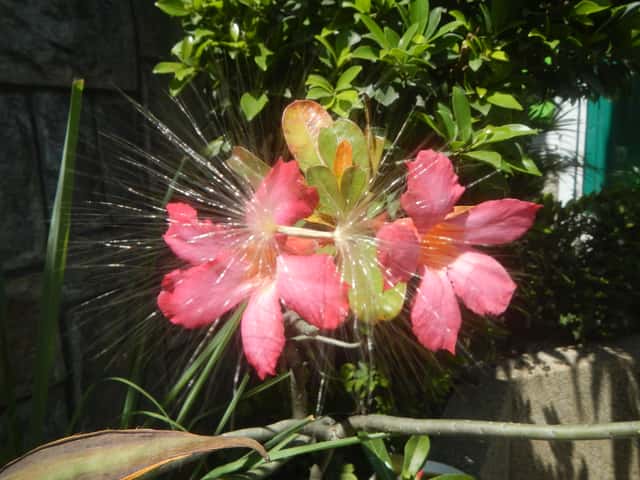
Desert Rose (Adenium obesum) is a medium-care plant from the Apocynaceae family. Adenium obesum, commonly known as the Desert Rose, is a striking succulent shrub native to East Africa and the Arabian Peninsula. Renowned for its thick, swollen caudex and vibrant trumpet-shaped flowers in shades of pink, red, and white, it is a favorite among bonsai enthusiasts and ornamental plan...
Desert Rose grows up to 2.7m, with spread of 150cm, watering every 10 days, 10°C – 35°C, 30–50% humidity. It is suitable for indoor environments and not safe for pets.
Without precautions, ingestion can cause irritation in pets. Keep out of reach of cats and dogs. Without adequate drainage, root rot can develop within 20 days.
How to Care for Desert Rose?
TLDR: Desert Rose needs Direct sun, watering every 10 days, and temperatures between 10-35°C with 30-50% humidity.
How Often Should You Water Desert Rose?
Allow soil to dry completely between waterings. Water every 7-14 days during the growing season, reducing to once a month or less during winter dormancy. Overwatering is the most common cause of death.
How Much Light Does Desert Rose Need?
Requires full, direct sunlight for at least 6 hours daily. Insufficient light will prevent flowering and cause leggy growth. Place in the sunniest window or outdoors in warm climates.
What Is the Best Soil for Desert Rose?
Use a fast-draining cactus or succulent mix. A blend of coarse sand, perlite, and a small amount of potting soil works well. Never use heavy, moisture-retaining soil.
What Pot Should You Use for Desert Rose?
Use a terracotta pot with large drainage holes. Terracotta allows the soil to dry faster, which is ideal for Desert Rose. Choose a shallow, wide pot to accommodate the caudex.
Care Schedule
Fertilize
Every 30 days
Repot
Every 730 days
What Is Desert Rose and Where Does It Come From?
Adenium obesum, commonly known as the Desert Rose, is a striking succulent shrub native to East Africa and the Arabian Peninsula. Renowned for its thick, swollen caudex and vibrant trumpet-shaped flowers in shades of pink, red, and white, it is a favorite among bonsai enthusiasts and ornamental plant collectors. Despite its exotic appearance, it is well-suited for indoor cultivation in bright, sunny spots.
How to Propagate Desert Rose?
Stem Cutting
Cuttings do not develop the characteristic thick caudex that seed-grown plants have. Allow the cut to callus fully before planting to prevent rot.
- 1 Cut a healthy stem of about 15 cm from the tip using sterile shears
- 2 Allow the cutting to dry and callus for 2-3 days in a shaded area
- 3 Dip the cut end in rooting hormone
- 4 Plant in a dry, well-draining cactus mix
- 5 Wait 1 week before lightly watering; keep in bright indirect light
Materials needed:
Seed Propagation
Seed-grown plants develop the prized swollen caudex naturally. Use fresh seeds for best germination rates.
- 1 Soak seeds in warm water for 2-4 hours
- 2 Place seeds on moist, well-draining soil mix
- 3 Lightly cover with a thin layer of sand or perlite
- 4 Keep warm (25-30°C) and in bright indirect light
- 5 Maintain slight moisture; seedlings emerge in 7-14 days
Materials needed:
How Big Does Desert Rose Grow?
TLDR: Desert Rose can reach up to 2.7m tall with Slow growth rate.
Max height
2.7m
Spread
1.5m
Growth rate
Slow
Foliage
Evergreen
Warning: Toxic Plant
This plant can be toxic if ingested. Keep out of reach of:
Plant Uses
Ornamental
Great for decoration
Is your plant showing symptoms?
Click on the symptom to discover possible causes:
What Diseases Commonly Affect Desert Rose?
TLDR: Desert Rose is susceptible to 9 known diseases. Monitor regularly for early detection.
Root Rot
Root rot is a serious fungal disease that affects the root system of plants, causing them to decay and die. It is primarily caused by overwatering, poor drainage, or soil-borne fungi such as Pythium, Phytophthora, Rhizoctonia, and Fusarium. The disease thrives in waterlogged conditions where roots are deprived of oxygen, making them susceptible to fungal infection.
Southern Blight
Southern blight is a devastating soilborne fungal disease caused by Athelia rolfsii (formerly Sclerotium rolfsii), affecting over 500 plant species including vegetables, ornamentals, and fruit crops. The fungus survives in soil through resting structures called sclerotia that resemble mustard seeds and can remain viable for years.
Leaf Spot
Leaf spot is a common fungal disease caused by various pathogens including Alternaria, Ascochyta, Colletotrichum, Septoria, and Venturia. It primarily affects leaves, causing discolored spots that can lead to premature leaf drop if left untreated.
Anthracnose
Anthracnose is a fungal disease caused by fungi in the genus Colletotrichum that affects many plants, including vegetables, fruits, and trees. The disease thrives in cool, wet conditions, causing dark, sunken lesions on leaves, stems, flowers, and fruits.
Meaning & Symbolism
Symbolizes resilience, perseverance, and love thriving against adversity, reflecting its ability to bloom beautifully in harsh desert conditions.
Fun Facts
The sap of the Desert Rose has been traditionally used as arrow poison in parts of Africa for hunting large game
Despite its common name, the Desert Rose is not a true rose — it belongs to the Apocynaceae (dogbane) family
In its native habitat, the Desert Rose can grow up to 5 meters tall with a massive swollen trunk
Seed-grown Desert Roses develop the prized thick caudex, while cutting-grown plants typically do not
Frequently asked questions
How often should I water my Desert Rose?
Why is my Desert Rose not flowering?
Is Desert Rose toxic to pets?
Can I grow Desert Rose indoors?
Compare with similar plants
| Attribute | Difficulty | Light | Watering | Pet Safe |
|---|---|---|---|---|
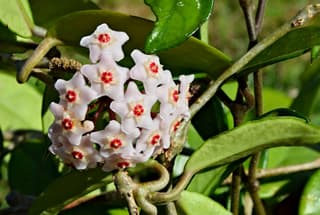
| Wax Plant | Easy | Partial shade | 10d | ✓ |
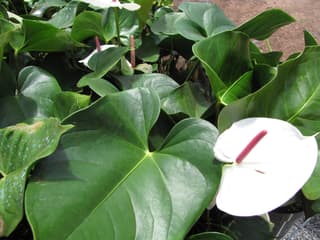
| Flamingo Flower | Medium | Partial shade | 5d | ⚠️ |
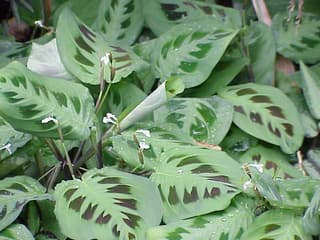
| Prayer Plant | Medium | Partial shade | 3d | ✓ |
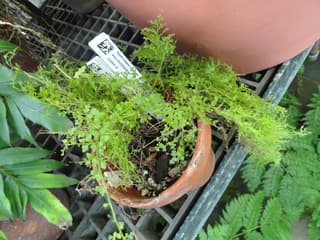
| Boston Fern | Medium | Partial shade | 3d | ✓ |