Lamiaceae
Rose Glory Bower (Clerodendrum bungei)
Clerodendrum bungei
Plant in a sunny to partially shaded location with fertile, well-drained soil. Water regularly during the growing season. Prune hard in late winter to encourage bushy growth and abundant flowering. Monitor and remove root suckers to prevent spreading.
Every 8 days
Bright indirect
-10° - 35°C
40% - 70%
Categories
What is Rose Glory Bower?
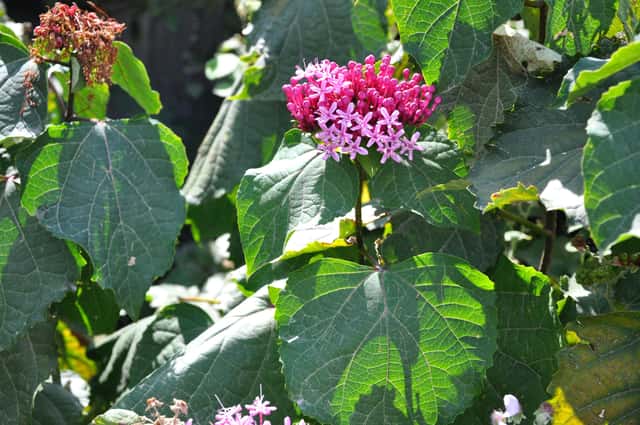
Rose Glory Bower (Clerodendrum bungei) is a medium-care plant from the Lamiaceae family. Rose Glory Bower (Clerodendrum bungei) is a vigorous deciduous shrub native to China, prized for its spectacular summer and autumn blooms. It produces large, domed clusters of fragrant rose-pink to deep crimson flowers that stand out against its broad, dark green leaves. While the flowers are sweetl...
Rose Glory Bower grows up to 2.0m, with spread of 150cm, watering every 8 days, -10°C – 35°C, 40–70% humidity. It is not suitable for indoor environments and not safe for pets.
Without precautions, ingestion can cause irritation in pets. Keep out of reach of cats and dogs.
How to Care for Rose Glory Bower?
TLDR: Rose Glory Bower needs Bright indirect, watering every 8 days, and temperatures between -10-35°C with 40-70% humidity.
How Often Should You Water Rose Glory Bower?
Water every 7–10 days during the growing season, ensuring the soil stays evenly moist but not waterlogged. Reduce watering in winter when the plant is dormant.
How Much Light Does Rose Glory Bower Need?
Best in full sun for maximum flowering and compact growth. Tolerates partial shade but may produce fewer blooms and become more leggy in low light.
What Is the Best Soil for Rose Glory Bower?
Plant in fertile, loamy, well-drained soil rich in organic matter. Add compost at planting time. Tolerates a range of soil pH from slightly acidic to mildly alkaline (6.0–7.5).
What Pot Should You Use for Rose Glory Bower?
Large ceramic or terracotta pots for container growing. Best grown directly in garden soil due to its vigorous suckering habit.
Care Schedule
Fertilize
Every 30 days
Repot
Every 730 days
What Is Rose Glory Bower and Where Does It Come From?
Rose Glory Bower (Clerodendrum bungei) is a vigorous deciduous shrub native to China, prized for its spectacular summer and autumn blooms. It produces large, domed clusters of fragrant rose-pink to deep crimson flowers that stand out against its broad, dark green leaves. While the flowers are sweetly perfumed, the leaves emit a pungent odor when crushed. Fast-growing and adaptable, it is ideal for garden borders, screens, and wildlife gardens.
How to Propagate Rose Glory Bower?
Semi-hardwood stem cutting
Maintain consistently moist but not soggy substrate. Use a clear plastic bag to create humidity. Avoid direct sunlight during rooting.
- 1 Take a 10–15 cm semi-hardwood cutting in summer
- 2 Remove lower leaves, keeping 2–3 at the top
- 3 Dip the cut end in rooting hormone powder
- 4 Insert into moist, well-draining rooting medium
- 5 Keep in a warm, humid location until roots develop
Materials needed:
Root sucker division
Root sucker division is the easiest and most reliable method. Best done in early spring before new growth begins.
- 1 In early spring, identify healthy root suckers
- 2 Dig around the sucker to expose its root system
- 3 Sever the sucker with a portion of healthy roots
- 4 Transplant directly to the final planting location
- 5 Water thoroughly after transplanting
Materials needed:
How Big Does Rose Glory Bower Grow?
TLDR: Rose Glory Bower can reach up to 2.0m tall with Fast growth rate.
Max height
2.0m
Spread
1.5m
Growth rate
Fast
Foliage
Deciduous
Warning: Toxic Plant
This plant can be toxic if ingested. Keep out of reach of:
Plant Uses
Ornamental
Great for decoration
Is your plant showing symptoms?
Click on the symptom to discover possible causes:
What Diseases Commonly Affect Rose Glory Bower?
TLDR: Rose Glory Bower is susceptible to 6 known diseases. Monitor regularly for early detection.
Aphids
Aphids are small, soft-bodied, pear-shaped insects (1/16 to 1/8 inch long) that feed by sucking nutrient-rich sap from plants. They reproduce rapidly and can quickly weaken plants, causing distorted growth and transmitting plant viruses. Aphids come in various colors including green, black, red, yellow, brown, and gray. They secrete honeydew, a sticky substance that attracts ants and encourages sooty mold growth.
Spider Mites
Spider mites are tiny arachnids (less than 1/20 inch long) related to spiders and ticks that feed on plant sap. They thrive in hot, dry conditions and can cause significant damage to ornamental and vegetable plants. During severe infestations, crop losses can reach 14% or higher as these pests disrupt vital plant processes including photosynthesis, carbon dioxide absorption, and transpiration.
Mealybugs
Mealybugs are small, soft-bodied insects covered with a white, waxy, cottony material. They are common pests of houseplants and outdoor plants in mild climates. These sap-sucking insects feed on plant tissue, causing damage, stunted growth, and can lead to plant death if left untreated. They produce sticky honeydew which attracts sooty mold.
Whiteflies
Whiteflies are small, soft-bodied, winged insects closely related to aphids and mealybugs. They are moth-like in appearance, about 1/16 inch long, triangular in shape, and gray-white in color. These sap-sucking pests feed on plant tissue, causing yellowing, stunted growth, and wilting. They also excrete honeydew, which attracts ants and promotes sooty mold growth. Whiteflies can transmit serious plant viruses.
Meaning & Symbolism
In Asian cultures, symbolizes beauty, feminine grace, and resilience. The fragrant flower clusters represent abundance and delicate strength.
Fun Facts
Can grow up to 2 metres tall in a single growing season
The flowers emit a sweet fragrance especially in the evening, attracting butterflies and hummingbirds
Despite the pleasant floral scent, the leaves produce a pungent smell when crushed
Considered invasive in some subtropical regions outside its native range
Frequently asked questions
When does Rose Glory Bower bloom?
Is Clerodendrum bungei toxic?
How often should I water Rose Glory Bower?
How do I control the spreading?
Is Rose Glory Bower frost-hardy?
Compare with similar plants
| Attribute | Difficulty | Light | Watering | Pet Safe |
|---|---|---|---|---|
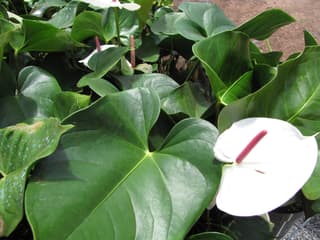
| Flamingo Flower | Medium | Partial shade | 5d | ⚠️ |
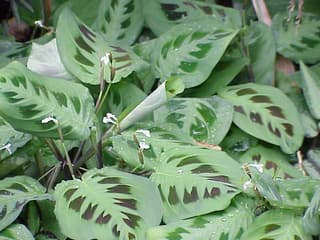
| Prayer Plant | Medium | Partial shade | 3d | ✓ |
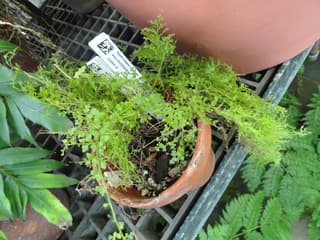
| Boston Fern | Medium | Partial shade | 3d | ✓ |
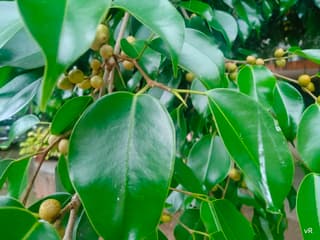
| Weeping Fig | Medium | Partial shade | 10d | ⚠️ |