Araceae
Satin Pothos: Air Purifying Plant
Scindapsus pictus
An easy-care tropical vine that tolerates low light and irregular watering. Keep soil slightly moist but never soggy. Provide bright indirect light for best variegation. Ideal for beginners and busy plant parents.
Every 10 days
Partial shade
15° - 29°C
40% - 60%
Categories
What is Satin Pothos?
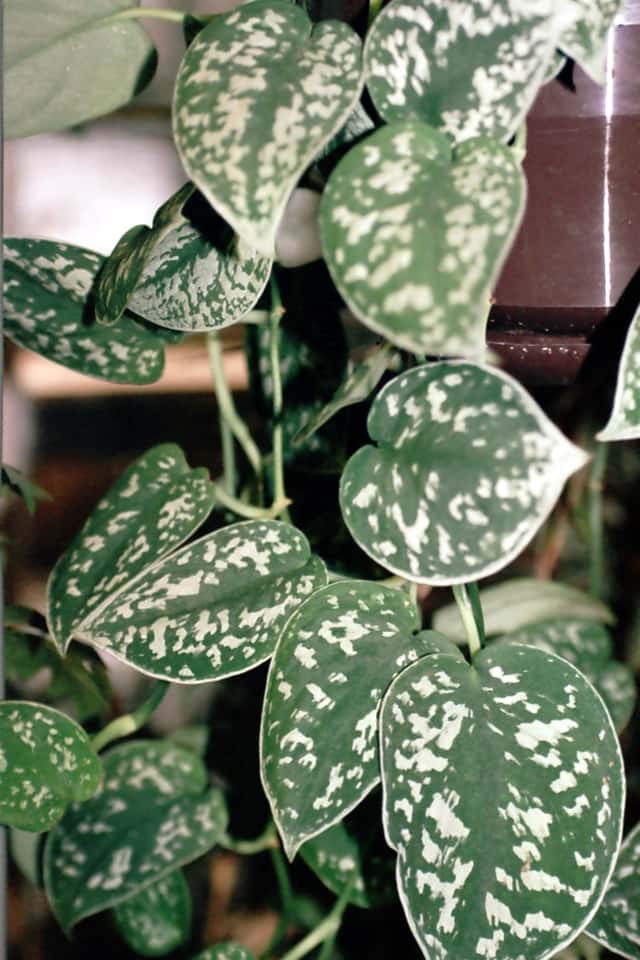
Satin Pothos (Scindapsus pictus) is a easy-care plant from the Araceae family. Scindapsus pictus, commonly known as Satin Pothos, is a stunning tropical vine native to Southeast Asia. It features heart-shaped matte green leaves adorned with silvery-gray spots and splashes that give it a satin-like appearance. This elegant trailing plant is beloved for its easy-care nature and...
Satin Pothos grows up to 3.0m, spread of 120cm, watering every 10 days, 15°C – 29°C, 40–60% humidity. It is suitable for indoor environments and not safe for pets.
Unlike many tropical plants, Satin Pothos tolerates watering mistakes. Best for beginners. Without precautions, ingestion can cause irritation in pets. Keep out of reach of cats and dogs. Without adequate drainage, root rot can develop within 20 days.
How to Care for Satin Pothos?
TLDR: Satin Pothos needs Partial shade, watering every 10 days, and temperatures between 15-29°C with 40-60% humidity.
How Often Should You Water Satin Pothos?
Water every 1-2 weeks, allowing the top half of soil to dry between waterings. Reduce watering in winter. Yellow leaves indicate overwatering; curling leaves suggest underwatering.
How Much Light Does Satin Pothos Need?
Thrives in bright indirect light but tolerates low light conditions. Avoid direct sunlight which can scorch leaves and fade the silver variegation. East or west-facing windows are ideal.
What Is the Best Soil for Satin Pothos?
Use well-draining potting mix with perlite or orchid bark. A mix of peat, potting soil, and perlite in equal parts works well. Avoid heavy soils that retain too much moisture.
What Pot Should You Use for Satin Pothos?
Use a pot with drainage holes. Terracotta pots help prevent overwatering. Choose a pot only slightly larger than the root ball to prevent excess moisture retention.
Care Schedule
Fertilize
Every 30 days
Misting
Every 7 days
Rotate
Every 14 days
Repot
Every 730 days
What Is Satin Pothos and Where Does It Come From?
Scindapsus pictus, commonly known as Satin Pothos, is a stunning tropical vine native to Southeast Asia. It features heart-shaped matte green leaves adorned with silvery-gray spots and splashes that give it a satin-like appearance. This elegant trailing plant is beloved for its easy-care nature and ability to thrive in various indoor conditions, making it perfect for hanging baskets or climbing on supports.
How to Propagate Satin Pothos?
Stem cuttings
Moss propagation produces stronger roots than water propagation
- 1 Select a healthy stem with 2-3 leaves and at least one node
- 2 Cut just below a node using clean scissors
- 3 Remove the bottom leaf to expose the node
- 4 Place cutting in water or moist sphagnum moss
- 5 Keep in bright indirect light and change water weekly
- 6 Roots should develop in 2-4 weeks
- 7 Transplant to soil when roots are 2-3 inches long
Materials needed:
How Big Does Satin Pothos Grow?
TLDR: Satin Pothos can reach up to 3.0m tall with Slow growth rate.
Max height
3.0m
Spread
1.2m
Growth rate
Slow
Foliage
Evergreen
Warning: Toxic Plant
This plant can be toxic if ingested. Keep out of reach of:
Plant Uses
Ornamental
Great for decoration
Air Purifying
Improves air quality
Is your plant showing symptoms?
Click on the symptom to discover possible causes:
What Diseases Commonly Affect Satin Pothos?
TLDR: Satin Pothos is susceptible to 35 known diseases. Monitor regularly for early detection.
Root Rot
Root rot is a serious fungal disease that affects the root system of plants, causing them to decay and die. It is primarily caused by overwatering, poor drainage, or soil-borne fungi such as Pythium, Phytophthora, Rhizoctonia, and Fusarium. The disease thrives in waterlogged conditions where roots are deprived of oxygen, making them susceptible to fungal infection.
Pythium Root Rot
Pythium root rot is a serious fungal disease caused by various Pythium species including P. aphanidermatum, P. ultimum, and P. irregulare. These water molds are present in practically all cultivated soils and attack plant roots under wet conditions, causing rapid wet rot that can extend into the stem. The disease is favored by poor drainage, overwatering, and specific temperatures depending on the species.
Phytophthora Root Rot
Disease caused by fungus-like organisms (oomycetes) that live in soil and can survive for years. It affects roots, stem, and crown of plants, being especially severe in waterlogged or poorly drained soils. It is the second most common cause of root rot in trees and shrubs.
Crown Rot
Crown rot is a serious fungal disease that attacks the crown (base) of the plant where the stem meets the soil. It is caused by various fungal pathogens including Phytophthora, Fusarium, and Rhizoctonia. The disease thrives in waterlogged conditions and can quickly spread to kill the entire plant if not addressed promptly.
Meaning & Symbolism
Symbolizes resilience, growth, and the ability to adapt and thrive in various conditions. Often associated with prosperity and positive energy in the home.
Compare with similar plants
| Attribute | Difficulty | Light | Watering | Pet Safe |
|---|---|---|---|---|
| Field Maple | Easy | Bright indirect | 14d | ✓ |
| Silver Birch | Easy | Direct sun | 14d | ✓ |
| Common Blanketflower | Easy | Direct sun | 10d | ✓ |
| Cushion Bush | Easy | Direct sun | 14d | ✓ |





