Lecythidaceae
Barringtonia: The Sea Poison Tree of the Tropics
Barringtonia
Outdoor tree for tropical climates. Requires intense direct sunlight, well-draining sandy soil, and moderate watering every 2 days. Salt-spray tolerant and withstands occasional flooding. All parts are toxic — handle with care.
Every 2 days
Direct sun
20° - 38°C
60% - 90%
Categories
What is Sea Poison Tree?
Sea Poison Tree (Barringtonia) is a hard-care plant from the Lecythidaceae family. Barringtonia is a genus of approximately 73 species of tropical evergreen trees and shrubs in the family Lecythidaceae. Native to coastal and freshwater habitats across Africa, South and Southeast Asia, Australia, and Pacific and Indian Ocean islands. Renowned for showy nocturnal, sweet-scented flow...
Sea Poison Tree grows up to 20.0m, spread of 800cm, watering every 2 days, 20°C – 38°C, 60–90% humidity. It is not suitable for indoor environments and not safe for pets.
Unlike easy-care plants, Sea Poison Tree demands constant attention to humidity and light. Not recommended for beginners. Without precautions, ingestion can cause irritation in pets. Keep out of reach of cats and dogs.
How to Care for Sea Poison Tree?
TLDR: Sea Poison Tree needs Direct sun, watering every 2 days, and temperatures between 20-38°C with 60-90% humidity.
How Often Should You Water Sea Poison Tree?
Water every 2 days with approximately 500 ml per session. Ensure soil drains freely to prevent waterlogging and root rot. Reduce watering frequency during heavy rainfall periods.
How Much Light Does Sea Poison Tree Need?
Requires full sun — 6 to 12 hours of direct light daily. Naturally adapted to bright coastal environments; does not tolerate dense shade.
What Is the Best Soil for Sea Poison Tree?
Prefers sandy or loamy soil with excellent drainage. Ideal pH 6.5–7.5. Tolerates saline coastal soils. Avoid compacted or clay-heavy soils that retain moisture.
What Pot Should You Use for Sea Poison Tree?
Large outdoor planter or direct ground planting in a tropical garden. Given its large stature, ground planting is strongly preferred over container growing.
Care Schedule
Fertilize
Every 90 days
What Is Sea Poison Tree and Where Does It Come From?
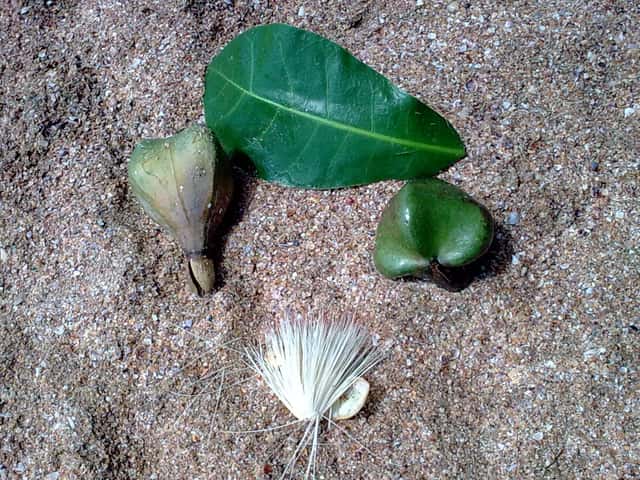
Barringtonia is a genus of approximately 73 species of tropical evergreen trees and shrubs in the family Lecythidaceae. Native to coastal and freshwater habitats across Africa, South and Southeast Asia, Australia, and Pacific and Indian Ocean islands. Renowned for showy nocturnal, sweet-scented flowers on long pendulous racemes. The most famous species, B. asiatica (Sea Poison Tree), produces highly toxic seeds containing saponins, historically used by coastal communities to stun fish.
How to Propagate Sea Poison Tree?
Seed Propagation
Use fresh seeds for best germination rates. Avoid waterlogging during germination. Seedlings benefit from gradual sun exposure.
- 1 Collect mature fruits and extract seeds
- 2 Rinse seeds in clean water and allow to dry briefly
- 3 Sow in well-draining sandy propagation mix
- 4 Keep substrate slightly moist in a bright indirect light location
- 5 Transplant to permanent site when seedling reaches 30 cm
Materials needed:
How Big Does Sea Poison Tree Grow?
TLDR: Sea Poison Tree can reach up to 20.0m tall with Medium growth rate.
Max height
20.0m
Spread
8.0m
Growth rate
Medium
Foliage
Evergreen
Warning: Toxic Plant
This plant can be toxic if ingested. Keep out of reach of:
Plant Uses
Ornamental
Great for decoration
Medicinal
Medicinal properties
Medicinal Uses
- Seed extracts studied for anti-inflammatory and insecticidal properties
- Used in traditional medicine across Pacific and Asian communities for skin conditions and fever
Is your plant showing symptoms?
Click on the symptom to discover possible causes:
What Diseases Commonly Affect Sea Poison Tree?
TLDR: Sea Poison Tree is susceptible to 5 known diseases. Monitor regularly for early detection.
Root Rot
Root rot is a serious fungal disease that affects the root system of plants, causing them to decay and die. It is primarily caused by overwatering, poor drainage, or soil-borne fungi such as Pythium, Phytophthora, Rhizoctonia, and Fusarium. The disease thrives in waterlogged conditions where roots are deprived of oxygen, making them susceptible to fungal infection.
Leaf Spot
Leaf spot is a common fungal disease caused by various pathogens including Alternaria, Ascochyta, Colletotrichum, Septoria, and Venturia. It primarily affects leaves, causing discolored spots that can lead to premature leaf drop if left untreated.
Anthracnose
Anthracnose is a fungal disease caused by fungi in the genus Colletotrichum that affects many plants, including vegetables, fruits, and trees. The disease thrives in cool, wet conditions, causing dark, sunken lesions on leaves, stems, flowers, and fruits.
Mealybugs
Mealybugs are small, soft-bodied insects covered with a white, waxy, cottony material. They are common pests of houseplants and outdoor plants in mild climates. These sap-sucking insects feed on plant tissue, causing damage, stunted growth, and can lead to plant death if left untreated. They produce sticky honeydew which attracts sooty mold.
Meaning & Symbolism
A symbol of coastal resilience and natural duality — breathtaking beauty paired with lethal toxicity. Revered in Pacific island cultures for its medicinal and ritual uses.
Fun Facts
The Barringtonia genus includes around 73 accepted species spread across tropical Africa, Asia, and the Pacific.
Flowers are nocturnal and release a sweet fragrance to attract night-time pollinators such as bats and hawk moths.
Seeds of B. asiatica were historically used by coastal fishermen to stun fish in rivers and tide pools.
It is one of the few large trees that tolerates both saline coastal soils and periodic flooding.
Frequently asked questions
Is Barringtonia toxic?
Can I grow Barringtonia indoors?
How often should I water Barringtonia?
What diseases affect Barringtonia?
Where does Barringtonia grow naturally?
Compare with similar plants
| Attribute | Difficulty | Light | Watering | Pet Safe |
|---|---|---|---|---|
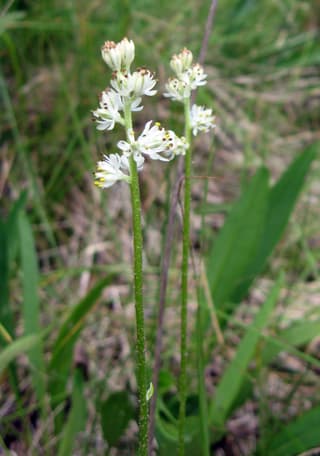
| Sticky false asphodel | Hard | Bright indirect | 1d | ✓ |
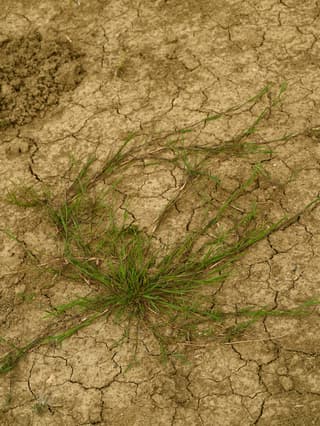
| Creeping bentgrass | Hard | Direct sun | 3d | ✓ |
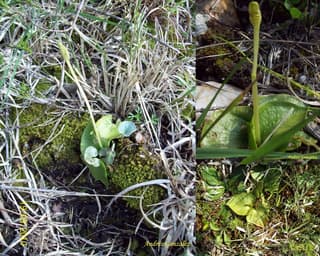
| Bulbous Adder's-tongue | Hard | Partial shade | 4d | ✓ |
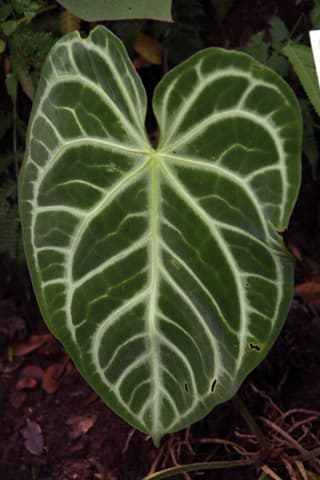
| Crystal Anthurium | Hard | Partial shade | 7d | ⚠️ |