Asteraceae
Strawflower (Xerochrysum bracteatum): The Everlasting Australian Daisy
Xerochrysum bracteatum
Strawflower is an easy-going, drought-tolerant plant that loves full sun and well-draining soil. Water sparingly — allow the soil to dry between waterings. Fertilize lightly once a month during the growing season. Deadhead spent flowers to encourage continuous blooming. Prune back after flowering to maintain a compact shape.
Every 7 days
Direct sun
5° - 35°C
30% - 60%
Categories
What is Strawflower?
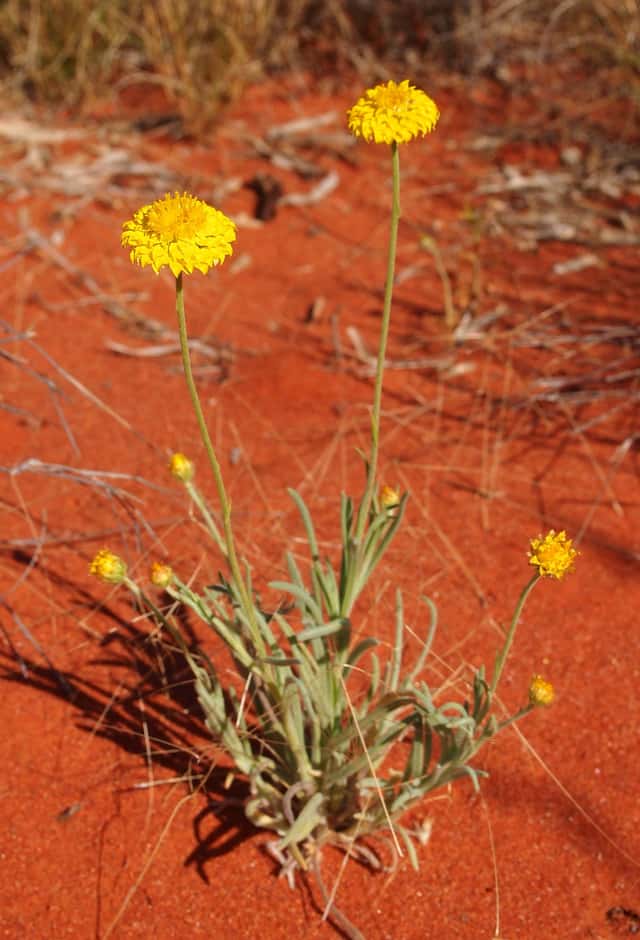
Strawflower (Xerochrysum bracteatum) is a medium-care plant from the Asteraceae family. Xerochrysum bracteatum, commonly known as the Strawflower or Everlasting Daisy, is a cheerful Australian native wildflower celebrated for its papery, long-lasting blooms in shades of yellow, orange, pink, red, and white. Its flowers retain their shape and color for years when dried, making it a favo...
Strawflower grows up to 80cm, spread of 60cm, watering every 7 days, 5°C – 35°C, 30–60% humidity. It is not suitable for indoor environments and safe for pets.
Unlike many popular species, Strawflower is safe to keep around pets.
How to Care for Strawflower?
TLDR: Strawflower needs Direct sun, watering every 7 days, and temperatures between 5-35°C with 30-60% humidity.
How Often Should You Water Strawflower?
Water every 7 days, allowing the soil to dry out between waterings. Strawflower is drought-tolerant and very sensitive to overwatering. Reduce watering in winter. Never let the plant sit in standing water as this leads to root rot.
How Much Light Does Strawflower Need?
Strawflower demands full sun — place it in the brightest spot available, ideally receiving at least 6-8 hours of direct sunlight daily. Inadequate light will cause poor flowering and leggy growth.
What Is the Best Soil for Strawflower?
Use light, well-draining soil with a slightly acidic pH between 5.5 and 6.3. Avoid clay or heavy soils that retain moisture. Amend garden beds with sand or grit to improve drainage. Low phosphorus levels are preferred.
What Pot Should You Use for Strawflower?
Terracotta or ceramic pots with drainage holes are ideal. These materials allow excess moisture to evaporate quickly, preventing root rot. Choose a pot only slightly larger than the root ball.
Care Schedule
Fertilize
Every 30 days
What Is Strawflower and Where Does It Come From?
Xerochrysum bracteatum, commonly known as the Strawflower or Everlasting Daisy, is a cheerful Australian native wildflower celebrated for its papery, long-lasting blooms in shades of yellow, orange, pink, red, and white. Its flowers retain their shape and color for years when dried, making it a favorite for everlasting floral arrangements. A drought-tolerant, sun-loving plant, it thrives in garden borders and containers with minimal care.
How to Propagate Strawflower?
Seed Sowing
Seeds germinate readily with no special pre-treatment. Sow directly in the garden after the last frost or start indoors 6-8 weeks before transplanting.
- 1 Sow seeds on the surface of moist, well-draining seed-raising mix.
- 2 Do not cover seeds as they need light to germinate.
- 3 Keep at 20-22°C until germination (3-20 days).
- 4 Transplant seedlings when they have 2-3 true leaves.
- 5 Harden off seedlings before planting outdoors.
Materials needed:
How Big Does Strawflower Grow?
TLDR: Strawflower can reach up to 80cm tall with Fast growth rate.
Max height
80cm
Spread
60cm
Growth rate
Fast
Foliage
Semi-evergreen
Plant Uses
Ornamental
Great for decoration
Is your plant showing symptoms?
Click on the symptom to discover possible causes:
What Diseases Commonly Affect Strawflower?
TLDR: Strawflower is susceptible to 9 known diseases. Monitor regularly for early detection.
Downy Mildew
Downy mildew is a fungal-like disease caused by oomycetes (water molds) that thrives in cool, wet conditions. It affects a wide range of plants, causing yellowing leaves with fuzzy white-gray growth underneath, leading to defoliation and reduced yields if left untreated.
Powdery Mildew
Powdery mildew is a common fungal disease caused by various fungi species including Erysiphe, Podosphaera, Oïdium, and Leveillula. It affects over 10,000 plant species worldwide. The disease thrives in warm, dry climates with high humidity and appears as a distinctive white powdery coating on plant surfaces.
Root Rot
Root rot is a serious fungal disease that affects the root system of plants, causing them to decay and die. It is primarily caused by overwatering, poor drainage, or soil-borne fungi such as Pythium, Phytophthora, Rhizoctonia, and Fusarium. The disease thrives in waterlogged conditions where roots are deprived of oxygen, making them susceptible to fungal infection.
Overwatering
Overwatering occurs when plants receive too much water, depriving roots of oxygen and causing root rot. This environmental stress is one of the most common causes of houseplant death, as waterlogged soil prevents roots from breathing and functioning properly.
Meaning & Symbolism
Strawflower symbolizes everlasting life, immortality, and remembrance. Its ability to retain color and form long after drying has made it a symbol of eternal love and undying beauty throughout history.
Fun Facts
Strawflower blooms can retain their color and shape for years after drying, earning the nickname "everlasting" or "immortelle".
Native to all Australian mainland states, Strawflower was introduced to European gardens in the 1800s where it became hugely popular in dried flower arrangements.
The papery texture of Strawflower petals is not actually petals — they are modified leaves called bracts that surround the true tiny central flowers.
Seeds of Xerochrysum bracteatum germinate in as little as 3 days with no special treatment required — one of the fastest-germinating garden flowers.
Frequently asked questions
How often should I water my Strawflower?
Can Strawflower be grown indoors?
Is Strawflower toxic to pets?
How do I dry Strawflower blooms?
When does Strawflower bloom?
Compare with similar plants
| Attribute | Difficulty | Light | Watering | Pet Safe |
|---|---|---|---|---|
| Dark Fieldcap | Medium | Low light | 2d | ⚠️ |
| Azalea | Medium | Partial shade | 3d | ⚠️ |
| Muriel's Bamboo | Medium | Partial shade | 3d | ✓ |
| Bougainvillea | Medium | Direct sun | 7d | ⚠️ |




