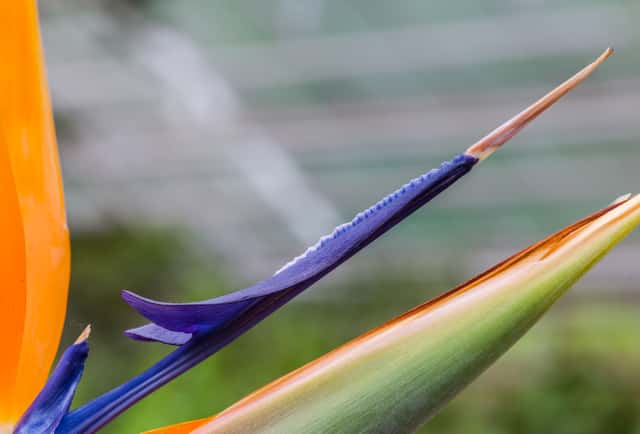
Strelitziaceae
Bird of Paradise (Strelitzia) — Complete Care Guide
Strelitzia
Strelitzia thrives in bright light and appreciates consistent moisture without waterlogging. It is a robust grower that rewards patience — indoor plants can take 3–5 years before flowering. Keep away from cold drafts and fertilize during the growing season.
Every 5 days
Bright indirect
10° - 27°C
50% - 70%
Categories
What is Bird of Paradise?
Bird of Paradise (Strelitzia) is a medium-care plant from the Strelitziaceae family. Strelitzia is a genus of striking tropical plants native to South Africa, celebrated for their dramatic paddle-shaped leaves and exotic flowers. The genus includes the popular Strelitzia reginae (orange Bird of Paradise) and Strelitzia nicolai (white Bird of Paradise), both widely grown as bold indo...
Bird of Paradise grows up to 1.8m, spread of 120cm, watering every 5 days, 10°C – 27°C, 50–70% humidity. It is suitable for indoor environments and not safe for pets.
Without precautions, ingestion can cause irritation in pets. Keep out of reach of cats and dogs. Without adequate drainage, root rot can develop within 10 days.
How to Care for Bird of Paradise?
TLDR: Bird of Paradise needs Bright indirect, watering every 5 days, and temperatures between 10-27°C with 50-70% humidity.
How Often Should You Water Bird of Paradise?
Water every 4–7 days in spring and summer, allowing the top 2–3 cm of soil to dry slightly between waterings. Reduce to once weekly in autumn and winter. Strelitzia has fleshy roots prone to rot — when in doubt, water less.
How Much Light Does Bird of Paradise Need?
Place in the brightest spot available indoors, ideally directly in front of or close to a south- or west-facing window. It tolerates some direct sun but protect from harsh midday summer rays. Low light will prevent flowering and slow growth significantly.
What Is the Best Soil for Bird of Paradise?
Use a rich, well-draining mix: a blend of quality potting compost, perlite, and orchid bark works well. Ensure the pot has drainage holes. Avoid heavy clay soils that retain too much moisture.
What Pot Should You Use for Bird of Paradise?
Use a pot 1–2 sizes larger than the root ball, with excellent drainage holes. Terracotta pots are ideal as they allow the soil to dry out evenly, preventing root rot.
Care Schedule
Fertilize
Every 7 days
Misting
Every 3 days
Repot
Every 730 days
What Is Bird of Paradise and Where Does It Come From?
Strelitzia is a genus of striking tropical plants native to South Africa, celebrated for their dramatic paddle-shaped leaves and exotic flowers. The genus includes the popular Strelitzia reginae (orange Bird of Paradise) and Strelitzia nicolai (white Bird of Paradise), both widely grown as bold indoor statement plants.
How to Propagate Bird of Paradise?
Division
Only divide when the plant is actively growing in spring. Avoid dividing too often — allow at least 1 year between divisions. Water sparingly after dividing to prevent rot.
- 1 Wait until the plant has multiple well-developed shoots
- 2 Gently remove the plant from its pot and shake off excess soil
- 3 Identify natural separation points between shoots
- 4 Carefully pull or cut the root clumps apart, ensuring each section has roots
- 5 Pot each division into fresh well-draining compost and water lightly
Materials needed:
How Big Does Bird of Paradise Grow?
TLDR: Bird of Paradise can reach up to 1.8m tall with Fast growth rate.
Max height
1.8m
Spread
1.2m
Growth rate
Fast
Foliage
Evergreen
Warning: Toxic Plant
This plant can be toxic if ingested. Keep out of reach of:
Plant Uses
Ornamental
Great for decoration
Is your plant showing symptoms?
Click on the symptom to discover possible causes:
What Diseases Commonly Affect Bird of Paradise?
TLDR: Bird of Paradise is susceptible to 10 known diseases. Monitor regularly for early detection.
Powdery Mildew
Powdery mildew is a common fungal disease caused by various fungi species including Erysiphe, Podosphaera, Oïdium, and Leveillula. It affects over 10,000 plant species worldwide. The disease thrives in warm, dry climates with high humidity and appears as a distinctive white powdery coating on plant surfaces.
Root Rot
Root rot is a serious fungal disease that affects the root system of plants, causing them to decay and die. It is primarily caused by overwatering, poor drainage, or soil-borne fungi such as Pythium, Phytophthora, Rhizoctonia, and Fusarium. The disease thrives in waterlogged conditions where roots are deprived of oxygen, making them susceptible to fungal infection.
Gray Mold (Botrytis Blight)
Gray mold, caused by the fungus Botrytis cinerea, is one of the most common fungal diseases in plants. It affects over 200 plant species, including ornamentals, vegetables, fruits, and houseplants. The disease thrives in cool, humid conditions with poor air circulation, causing grayish spots and soft rot on infected tissues.
Anthracnose
Anthracnose is a fungal disease caused by fungi in the genus Colletotrichum that affects many plants, including vegetables, fruits, and trees. The disease thrives in cool, wet conditions, causing dark, sunken lesions on leaves, stems, flowers, and fruits.
Meaning & Symbolism
Freedom, joy, and paradise — the Bird of Paradise flower is widely seen as a symbol of joyful liberation and the beauty of the natural world.
Fun Facts
Strelitzia can live for decades and become a true heirloom houseplant, with some specimens over 50 years old still flowering.
The genus Strelitzia is named after Charlotte of Mecklenburg-Strelitz, Queen of Great Britain and wife of King George III.
In the wild, Strelitzia reginae is pollinated exclusively by sunbirds, which land on the spathe and inadvertently pick up pollen.
S. nicolai can reach 10m tall in its native South African habitat, dwarfing its more compact indoor cousin S. reginae.
Frequently asked questions
How often should I water my Strelitzia?
Why is my Bird of Paradise not flowering?
Is Strelitzia toxic to cats and dogs?
How big does Strelitzia grow indoors?
When should I repot my Strelitzia?
Compare with similar plants
| Attribute | Difficulty | Light | Watering | Pet Safe |
|---|---|---|---|---|
| Dark Fieldcap | Medium | Low light | 2d | ⚠️ |
| Azalea | Medium | Partial shade | 3d | ⚠️ |
| Bougainvillea | Medium | Direct sun | 7d | ⚠️ |
| Wild Lettuce | Medium | Direct sun | 7d | ⚠️ |



