Fabaceae
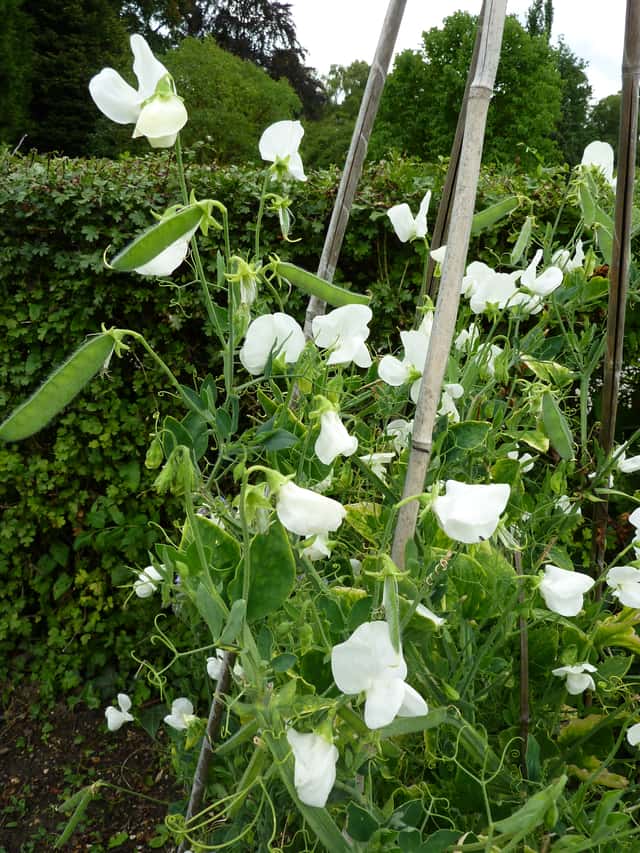
Sweet Pea (Lathyrus odoratus)
Lathyrus odoratus
A cool-season plant requiring full sun and fertile, well-drained soil. Water regularly to maintain even moisture. Deadhead spent blooms to prolong flowering. Avoid heat stress — plants decline rapidly when temperatures rise above 25°C.
Every 4 days
Direct sun
4° - 25°C
40% - 70%
Categories
What is Sweet Pea?
Sweet Pea (Lathyrus odoratus) is a medium-care plant from the Fabaceae family. Sweet Pea (Lathyrus odoratus) is an annual climbing plant native to the Mediterranean region, particularly Sicily and southern Italy. Celebrated for its intensely fragrant flowers in shades of pink, purple, white, red, and lilac, it is a beloved cottage garden classic and a favorite for cut flower a...
Sweet Pea grows up to 2.0m, with spread of 90cm, watering every 4 days, 4°C – 25°C, 40–70% humidity. It is not suitable for indoor environments and not safe for pets.
Without precautions, ingestion can cause irritation in pets. Keep out of reach of cats and dogs.
How to Care for Sweet Pea?
TLDR: Sweet Pea needs Direct sun, watering every 4 days, and temperatures between 4-25°C with 40-70% humidity.
How Often Should You Water Sweet Pea?
Water deeply every 3-5 days, keeping soil evenly moist but not waterlogged. Water at the base to prevent fungal disease. Increase frequency during hot spells.
How Much Light Does Sweet Pea Need?
Requires at least 6-8 hours of direct sunlight daily. In very hot climates, afternoon shade can help extend the blooming period.
What Is the Best Soil for Sweet Pea?
Prefers fertile, humus-rich, well-drained soil with pH 6.0–7.5. Incorporate compost before planting and mulch to retain moisture and keep roots cool.
What Pot Should You Use for Sweet Pea?
Terracotta or ceramic pots with good drainage work well. In beds, provide a trellis or fence. Choose tall containers to accommodate the root system.
Care Schedule
Fertilize
Every 14 days
Misting
Every 3 days
Rotate
Every 7 days
Repot
Every 365 days
What Is Sweet Pea and Where Does It Come From?
Sweet Pea (Lathyrus odoratus) is an annual climbing plant native to the Mediterranean region, particularly Sicily and southern Italy. Celebrated for its intensely fragrant flowers in shades of pink, purple, white, red, and lilac, it is a beloved cottage garden classic and a favorite for cut flower arrangements. It blooms abundantly from spring through early summer and thrives in cool weather conditions.
How to Propagate Sweet Pea?
Direct Sowing
Use deep containers for proper root development. Sweet peas dislike root disturbance, so avoid transplanting once established.
- 1 Soak seeds in warm water for 12-24 hours before sowing
- 2 Sow 2.5 cm deep, spaced 15-20 cm apart
- 3 Keep soil moist until germination
- 4 Install support structure (trellis or stakes) before tendrils form
- 5 Deadhead spent flowers regularly to encourage new buds
Materials needed:
How Big Does Sweet Pea Grow?
TLDR: Sweet Pea can reach up to 2.0m tall with Fast growth rate.
Max height
2.0m
Spread
90cm
Growth rate
Fast
Foliage
Deciduous
Warning: Toxic Plant
This plant can be toxic if ingested. Keep out of reach of:
Plant Uses
Ornamental
Great for decoration
Aromatic
Pleasant fragrance
Is your plant showing symptoms?
Click on the symptom to discover possible causes:
What Diseases Commonly Affect Sweet Pea?
TLDR: Sweet Pea is susceptible to 8 known diseases. Monitor regularly for early detection.
Powdery Mildew
Powdery mildew is a common fungal disease caused by various fungi species including Erysiphe, Podosphaera, Oïdium, and Leveillula. It affects over 10,000 plant species worldwide. The disease thrives in warm, dry climates with high humidity and appears as a distinctive white powdery coating on plant surfaces.
Aphids
Aphids are small, soft-bodied, pear-shaped insects (1/16 to 1/8 inch long) that feed by sucking nutrient-rich sap from plants. They reproduce rapidly and can quickly weaken plants, causing distorted growth and transmitting plant viruses. Aphids come in various colors including green, black, red, yellow, brown, and gray. They secrete honeydew, a sticky substance that attracts ants and encourages sooty mold growth.
Fusarium Wilt
Fusarium wilt is a serious fungal disease caused by the soil-borne fungus Fusarium oxysporum. The fungus invades roots and blocks the water-conducting vessels (xylem) of the plant, causing progressive wilting and eventual death. Host-specific forms of the pathogen exist that attack different plant species.
Mosaic Virus
Mosaic virus is a group of plant viruses that cause mottled, patchy patterns on leaves and can affect a wide variety of plants. The virus creates characteristic yellow, white, and green mosaic patterns, often accompanied by stunted growth and deformed plant parts. This highly contagious disease spreads rapidly through insect vectors and contaminated tools.
Meaning & Symbolism
Symbol of delicate pleasure, blissful departure, gratitude, and ephemeral beauty. White flowers represent purity and innocence; pink conveys affection and joy; purple signifies admiration and farewell.
Fun Facts
Sweet Peas were used by Gregor Mendel in his pioneering genetics experiments in the 19th century.
Their flowers are among the rare plants that combine stunning visual beauty with an intensely sweet fragrance.
Sweet Peas cannot produce yellow flowers — one of the few ornamental plants with this color limitation.
In Victorian flower language, sending Sweet Peas meant a fond and grateful farewell.
Frequently asked questions
How often should I water Sweet Pea?
Is Sweet Pea toxic?
Why has my Sweet Pea stopped blooming?
Do Sweet Peas need a support structure?
Compare with similar plants
| Attribute | Difficulty | Light | Watering | Pet Safe |
|---|---|---|---|---|
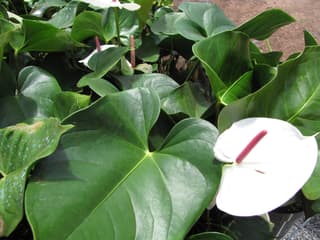
| Flamingo Flower | Medium | Partial shade | 5d | ⚠️ |
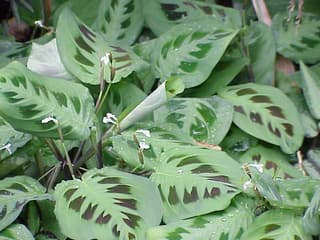
| Prayer Plant | Medium | Partial shade | 3d | ✓ |
| Boston Fern | Medium | Partial shade | 3d | ✓ |
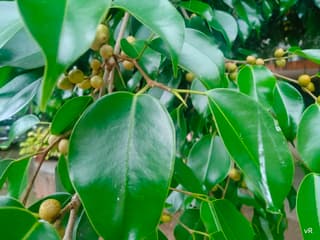
| Weeping Fig | Medium | Partial shade | 10d | ⚠️ |