Solanaceae
Tamarillo (Solanum betaceum): Complete Care Guide
Solanum betaceum
Tamarillo needs full sun, moderate watering, and well-draining soil. It is a fast-growing tree that can bear fruit within 18-24 months of planting. It requires frost protection and occasional pruning to maintain good production.
Every 7 days
Direct sun
10° - 24°C
50% - 80%
Categories
What is Tamarillo?
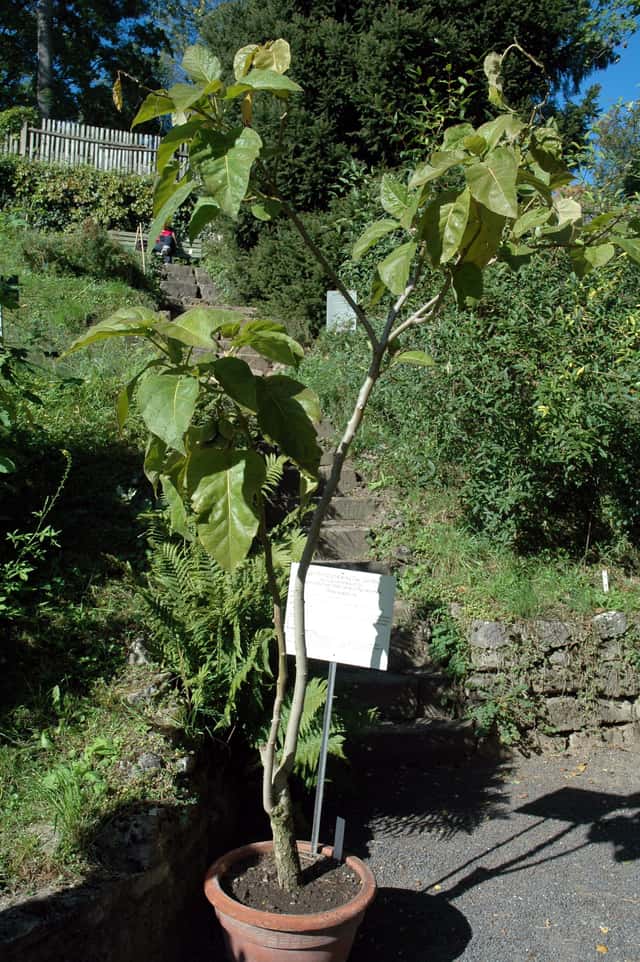
Tamarillo (Solanum betaceum) is a medium-care plant from the Solanaceae family. The tamarillo (Solanum betaceum) is a small tree or shrub native to the Andes of South America. It produces egg-shaped fruits ranging from orange to red or deep purple, with a tangy, bittersweet flavor. Highly valued both for its ornamental appeal and its edible fruits, which are rich in vitamins A,...
Tamarillo grows up to 4.0m, spread of 200cm, watering every 7 days, 10°C – 24°C, 50–80% humidity. It is not suitable for indoor environments and not safe for pets.
Without precautions, ingestion can cause irritation in pets. Keep out of reach of cats and dogs.
How to Care for Tamarillo?
TLDR: Tamarillo needs Direct sun, watering every 7 days, and temperatures between 10-24°C with 50-80% humidity.
How Often Should You Water Tamarillo?
Water every 5-7 days, keeping the soil moist but not waterlogged. During flowering and fruiting, ensure the soil never dries out completely. Avoid wetting the foliage to prevent fungal diseases.
How Much Light Does Tamarillo Need?
Place the tamarillo in full sun with at least 6-8 hours of direct sunlight per day. It can tolerate partial shade, but fruit production will be reduced. Protect from strong winds.
What Is the Best Soil for Tamarillo?
Use well-draining soil rich in organic matter with a sandy or loamy texture. Soil pH should be between 5.5 and 7.0. Incorporate compost or worm castings at planting time to improve fertility.
What Pot Should You Use for Tamarillo?
Large terracotta or plastic container of at least 50 liters with ample drainage holes. In a garden, plant directly in deep, well-draining soil.
Care Schedule
Fertilize
Every 60 days
Repot
Every 365 days
What Is Tamarillo and Where Does It Come From?
The tamarillo (Solanum betaceum) is a small tree or shrub native to the Andes of South America. It produces egg-shaped fruits ranging from orange to red or deep purple, with a tangy, bittersweet flavor. Highly valued both for its ornamental appeal and its edible fruits, which are rich in vitamins A, C, and E.
How to Propagate Tamarillo?
Seed propagation
Fresh seeds have a higher germination rate. Keep the seed tray in a warm spot with indirect light. Transplant carefully to avoid damaging roots.
- 1 Extract seeds from a ripe fruit and rinse them thoroughly
- 2 Allow to dry for 1-2 days in the shade
- 3 Sow in seed tray with moist growing medium at 1 cm depth
- 4 Maintain temperature between 18-22°C and consistent moisture
- 5 Transplant when seedlings reach 15-20 cm tall
Materials needed:
Stem cutting
Use semi-hardwood cuttings from the current season for best results. Keep moist but not waterlogged.
- 1 Cut a semi-hardwood stem of 20-25 cm with 2-3 leaves at the tip
- 2 Remove lower leaves and apply rooting hormone to the cut end
- 3 Insert cutting into moist perlite or sand mix
- 4 Keep in a warm spot with indirect light until roots form
- 5 Transplant outdoors once root system is well established
Materials needed:
How Big Does Tamarillo Grow?
TLDR: Tamarillo can reach up to 4.0m tall with Fast growth rate.
Max height
4.0m
Spread
2.0m
Growth rate
Fast
Foliage
Evergreen
Warning: Toxic Plant
This plant can be toxic if ingested. Keep out of reach of:
Plant Uses
Ornamental
Great for decoration
Edible
Can be consumed
Medicinal Uses
- Leaves are used in traditional Andean medicine as an anti-inflammatory and for treating respiratory conditions
Culinary Uses
- The ripe fruit is eaten fresh, in juices, jams, sauces, fruit salads, and desserts. It is a staple ingredient in Ecuadorian and Colombian cuisine.
Is your plant showing symptoms?
Click on the symptom to discover possible causes:
What Diseases Commonly Affect Tamarillo?
TLDR: Tamarillo is susceptible to 13 known diseases. Monitor regularly for early detection.
Anthracnose
Anthracnose is a fungal disease caused by fungi in the genus Colletotrichum that affects many plants, including vegetables, fruits, and trees. The disease thrives in cool, wet conditions, causing dark, sunken lesions on leaves, stems, flowers, and fruits.
Phytophthora Blight
Devastating fungal disease caused by Phytophthora species (primarily P. capsici and P. infestans), famously responsible for the Irish Potato Famine in the 1840s. Affects all plant parts including roots, stems, leaves, and fruits in warm, wet conditions. The pathogen is technically an oomycete (water mold) that thrives in saturated soils and can survive in soil for 5+ years.
Fusarium Wilt
Fusarium wilt is a serious fungal disease caused by the soil-borne fungus Fusarium oxysporum. The fungus invades roots and blocks the water-conducting vessels (xylem) of the plant, causing progressive wilting and eventual death. Host-specific forms of the pathogen exist that attack different plant species.
Powdery Mildew
Powdery mildew is a common fungal disease caused by various fungi species including Erysiphe, Podosphaera, Oïdium, and Leveillula. It affects over 10,000 plant species worldwide. The disease thrives in warm, dry climates with high humidity and appears as a distinctive white powdery coating on plant surfaces.
Meaning & Symbolism
In Andean culture, the tamarillo symbolizes abundance and fertility due to its prolific fruit production.
Fun Facts
A mature tamarillo tree can produce hundreds of fruits in a single season under optimal conditions.
The name "tamarillo" was coined in New Zealand in 1967 to market the fruit internationally.
The tamarillo is packed with vitamins A, C, and E, plus antioxidants that support immune health.
It has been cultivated in the Peruvian, Bolivian, and Ecuadorian Andes since pre-Columbian times.
Frequently asked questions
How often should I water my tamarillo?
Is tamarillo toxic to pets?
How long does tamarillo take to bear fruit?
Can tamarillo grow in a pot?
What diseases affect the tamarillo?
Compare with similar plants
| Attribute | Difficulty | Light | Watering | Pet Safe |
|---|---|---|---|---|
| Dark Fieldcap | Medium | Low light | 2d | ⚠️ |
| Azalea | Medium | Partial shade | 3d | ⚠️ |
| Muriel's Bamboo | Medium | Partial shade | 3d | ✓ |
| Bougainvillea | Medium | Direct sun | 7d | ⚠️ |




