Zingiberaceae
Torch Ginger (Etlingera elatior): Complete Care Guide
Etlingera elatior
A large-growing plant that requires full sun, rich organic soil, and regular watering to keep the soil consistently moist. It thrives in warm, humid tropical climates. Fertilize regularly with potassium-rich fertilizer to encourage flowering.
Every 7 days
Bright indirect
18° - 35°C
70% - 85%
Categories
What is Torch Ginger?
Torch Ginger (Etlingera elatior) is a medium-care plant from the Zingiberaceae family. Torch Ginger (Etlingera elatior) is a majestic tropical plant in the Zingiberaceae family, native to Southeast Asia, particularly Indonesia and Malaysia. Renowned for its spectacular torch-shaped inflorescences in shades of red, pink, and white, it can reach up to 20 feet (6 m) in height. It is high...
Torch Ginger grows up to 6.0m, with spread of 300cm, watering every 7 days, 18°C – 35°C, 70–85% humidity. It is not suitable for indoor environments and safe for pets.
Unlike many popular species, Torch Ginger is safe to keep around pets.
How to Care for Torch Ginger?
TLDR: Torch Ginger needs Bright indirect, watering every 7 days, and temperatures between 18-35°C with 70-85% humidity.
How Often Should You Water Torch Ginger?
Water every 7 days or whenever the topsoil begins to dry out. Keep the substrate consistently moist but never waterlogged. Increase frequency during hot weather. Do not allow the soil to dry out completely as the plant is sensitive to drought.
How Much Light Does Torch Ginger Need?
Torch Ginger thrives in full sun to light shade. It prefers at least 4-6 hours of direct sunlight per day. In full shade, blooming is significantly reduced. Avoid prolonged afternoon sun exposure in very hot climates as it can scorch the leaves.
What Is the Best Soil for Torch Ginger?
Use rich, deep, porous, and well-draining soil amended with organic matter. Add compost or worm castings to the substrate. Ideal pH is 6.0 to 7.0 (slightly acidic to neutral). Waterlogged soil leads to root rot.
What Pot Should You Use for Torch Ginger?
Best planted directly in the garden given its large size (up to 20 feet/6 m). Not suitable for indoor pots. For temporary outdoor container growing, use very large containers (50+ liters/13+ gallons). Clay or concrete pots provide better stability.
Care Schedule
Fertilize
Every 30 days
Misting
Every 7 days
What Is Torch Ginger and Where Does It Come From?
Torch Ginger (Etlingera elatior) is a majestic tropical plant in the Zingiberaceae family, native to Southeast Asia, particularly Indonesia and Malaysia. Renowned for its spectacular torch-shaped inflorescences in shades of red, pink, and white, it can reach up to 20 feet (6 m) in height. It is highly valued as an ornamental plant, in traditional Southeast Asian cuisines, and in folk medicine.
How to Propagate Torch Ginger?
Rhizome Division
Divide in early spring. Use disinfected tools. Avoid propagating from seeds for garden cultivation as there is high genetic variability and a delay of up to 2 years before flowering.
- 1 Select a mature, healthy plant with well-developed rhizomes
- 2 Carefully remove the plant from the ground without damaging the rhizomes
- 3 Divide the rhizomes into sections, ensuring each piece has at least one growth bud
- 4 Treat cuts with powdered fungicide to prevent disease
- 5 Plant each division in rich organic soil at a depth of 2-4 inches (5-10 cm)
- 6 Water thoroughly and keep in a semi-shaded location until established
- 7 Flowering will occur from the second year after planting
Materials needed:
How Big Does Torch Ginger Grow?
TLDR: Torch Ginger can reach up to 6.0m tall with Fast growth rate.
Max height
6.0m
Spread
3.0m
Growth rate
Fast
Foliage
Evergreen
Plant Uses
Ornamental
Great for decoration
Edible
Can be consumed
Medicinal
Medicinal properties
Medicinal Uses
- Leaf decoction used for wound cleansing in traditional medicine
- Fruit decoction used to treat earaches among Malaysian indigenous tribes
- Leaves used in postnatal bathing rituals across Southeast Asian cultures
Culinary Uses
- Flower buds used in salads and soups in Southeast Asian cuisine
- Edible flowers used to flavor traditional Malay and Indonesian dishes
- Key ingredient in kerabu (traditional Malay salad)
- Used in kuah pindang and other regional specialties
Is your plant showing symptoms?
Click on the symptom to discover possible causes:
What Diseases Commonly Affect Torch Ginger?
TLDR: Torch Ginger is susceptible to 5 known diseases. Monitor regularly for early detection.
Root Rot
Root rot is a serious fungal disease that affects the root system of plants, causing them to decay and die. It is primarily caused by overwatering, poor drainage, or soil-borne fungi such as Pythium, Phytophthora, Rhizoctonia, and Fusarium. The disease thrives in waterlogged conditions where roots are deprived of oxygen, making them susceptible to fungal infection.
Spider Mites
Spider mites are tiny arachnids (less than 1/20 inch long) related to spiders and ticks that feed on plant sap. They thrive in hot, dry conditions and can cause significant damage to ornamental and vegetable plants. During severe infestations, crop losses can reach 14% or higher as these pests disrupt vital plant processes including photosynthesis, carbon dioxide absorption, and transpiration.
Mealybugs
Mealybugs are small, soft-bodied insects covered with a white, waxy, cottony material. They are common pests of houseplants and outdoor plants in mild climates. These sap-sucking insects feed on plant tissue, causing damage, stunted growth, and can lead to plant death if left untreated. They produce sticky honeydew which attracts sooty mold.
Scale Insects
Scale insects are small sap-sucking pests that appear as brown, shell-like bumps on plant stems and leaves. There are over 25 species, divided into armored (hard) and unarmored (soft) scales. They feed by piercing plant tissue and extracting sap, which weakens the plant and can lead to yellowing, stunted growth, and even death if left untreated. They also excrete honeydew, which attracts ants and promotes sooty mold growth.
Meaning & Symbolism
In Asian cultures, Torch Ginger symbolizes nobility, respect, and authority. Its elegant and imposing stature is associated with the figure of the emperor. Giving or receiving this flower is a gesture of deep admiration for someone of strong integrity and character.
Fun Facts
Can reach up to 20 feet (6 m) tall in tropical climates, making it one of the largest plants in the ginger family
Its flower buds are an essential ingredient in traditional Malaysian and Indonesian dishes such as kerabu salad
The inflorescence can last several weeks after cutting, making it highly prized for floral arrangements
The genus name Etlingera honors the German botanist Andreas Ernst Etlinger, while elatior means "taller" in Latin
Frequently asked questions
How often should I water Torch Ginger?
Can Torch Ginger be grown in a pot?
How many hours of sunlight does Torch Ginger need?
When does Torch Ginger bloom?
Is Torch Ginger toxic to pets?
Compare with similar plants
| Attribute | Difficulty | Light | Watering | Pet Safe |
|---|---|---|---|---|
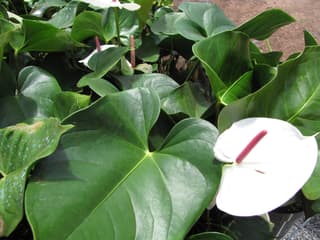
| Flamingo Flower | Medium | Partial shade | 5d | ⚠️ |
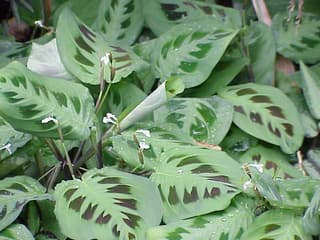
| Prayer Plant | Medium | Partial shade | 3d | ✓ |
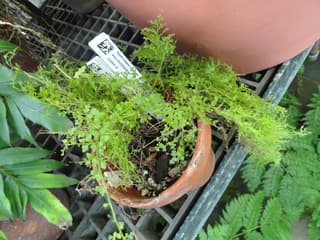
| Boston Fern | Medium | Partial shade | 3d | ✓ |
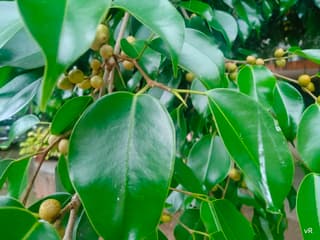
| Weeping Fig | Medium | Partial shade | 10d | ⚠️ |