Rubiaceae
Serissa foetida – Tree of a Thousand Stars Complete Care Guide
Serissa foetida
Serissa is a demanding plant that rewards attentive care. It requires consistent moisture without waterlogging, high humidity, and bright indirect light. It is sensitive to environmental changes and may drop leaves if moved or subjected to temperature fluctuations. Keep it away from cold drafts and heating vents.
Every 4 days
Bright indirect
7° - 30°C
50% - 80%
Categories
What is Tree of a Thousand Stars?
Tree of a Thousand Stars (Serissa foetida) is a hard-care plant from the Rubiaceae family. Serissa foetida, known as the Tree of a Thousand Stars or Snow Rose, is a compact evergreen shrub native to warm, humid regions of Southeast Asia including India, China, and Japan. It is prized for its dainty star-shaped white or pink flowers that bloom nearly year-round, making it one of the most b...
Tree of a Thousand Stars grows up to 60cm, spread of 60cm, watering every 4 days, 7°C – 30°C, 50–80% humidity. It is suitable for indoor environments and safe for pets.
Unlike easy-care plants, Tree of a Thousand Stars demands constant attention to humidity and light. Not recommended for beginners. Unlike many popular species, Tree of a Thousand Stars is safe to keep around pets. Without adequate drainage, root rot can develop within 8 days.
How to Care for Tree of a Thousand Stars?
TLDR: Tree of a Thousand Stars needs Bright indirect, watering every 4 days, and temperatures between 7-30°C with 50-80% humidity.
How Often Should You Water Tree of a Thousand Stars?
Water every 3-4 days in summer, reducing to once a week in winter. Keep the rootball consistently moist but never soggy. Use lime-free, room-temperature water. Check soil moisture daily during the growing season.
How Much Light Does Tree of a Thousand Stars Need?
Provide bright, indirect light for at least 6-8 hours daily. An east or west-facing window is ideal indoors. Protect from harsh midday sun to prevent leaf burn. Supplement with grow lights (12 hours/day) if natural light is insufficient.
What Is the Best Soil for Tree of a Thousand Stars?
Use well-draining bonsai soil or a mix of equal parts akadama, pumice, and organic matter. Slightly acidic soil (pH 4.5-6.5) is preferred. Good drainage is critical to prevent root rot.
What Pot Should You Use for Tree of a Thousand Stars?
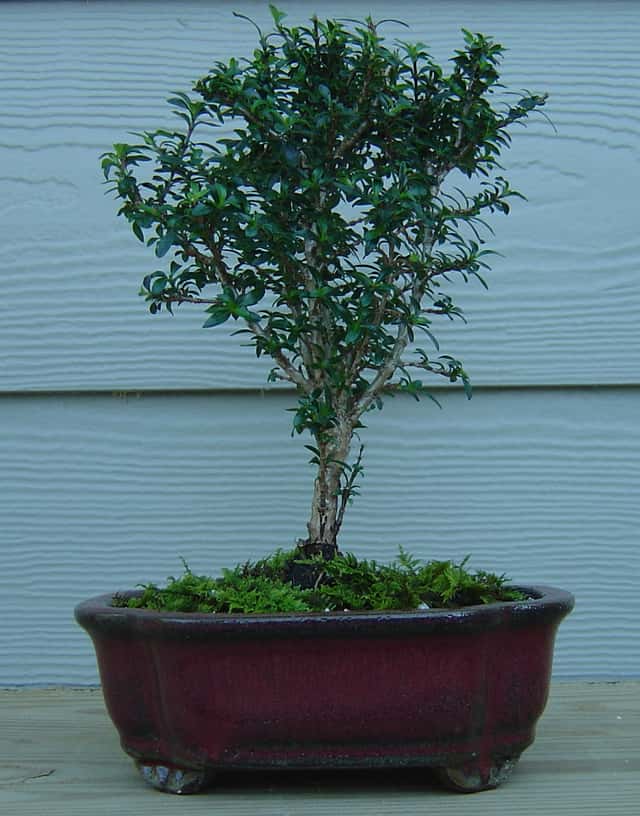
A shallow, unglazed ceramic bonsai pot with excellent drainage holes is ideal for Serissa. The pot should be proportional to the tree, typically about two-thirds the height of the tree. Neutral or earth-toned glazed pots also complement its delicate white flowers.
Care Schedule
Fertilize
Every 30 days
Misting
Every 3 days
Rotate
Every 30 days
Repot
Every 730 days
What Is Tree of a Thousand Stars and Where Does It Come From?
Serissa foetida, known as the Tree of a Thousand Stars or Snow Rose, is a compact evergreen shrub native to warm, humid regions of Southeast Asia including India, China, and Japan. It is prized for its dainty star-shaped white or pink flowers that bloom nearly year-round, making it one of the most beloved subjects for bonsai cultivation. Its delicate foliage and gnarled trunk on mature specimens give it a distinguished, ancient appearance.
How to Propagate Tree of a Thousand Stars?
Stem Cutting
Use clean, sharp scissors to avoid crushing the stem. Keep the cutting out of direct sunlight until rooted. Change water weekly if rooting in water.
- 1 Take a healthy semi-hardwood cutting 8-10 cm long with 2-3 nodes in spring or early summer
- 2 Remove lower leaves leaving only 2-3 at the tip
- 3 Dip the cut end in rooting hormone powder
- 4 Insert into a moist mix of peat and perlite
- 5 Maintain bottom heat around 20-25°C and keep humidity high
- 6 Transplant to bonsai soil once roots are well established
Materials needed:
How Big Does Tree of a Thousand Stars Grow?
TLDR: Tree of a Thousand Stars can reach up to 60cm tall with Slow growth rate.
Max height
60cm
Spread
60cm
Growth rate
Slow
Foliage
Evergreen
Plant Uses
Ornamental
Great for decoration
Is your plant showing symptoms?
Click on the symptom to discover possible causes:
What Diseases Commonly Affect Tree of a Thousand Stars?
TLDR: Tree of a Thousand Stars is susceptible to 8 known diseases. Monitor regularly for early detection.
Root Rot
Root rot is a serious fungal disease that affects the root system of plants, causing them to decay and die. It is primarily caused by overwatering, poor drainage, or soil-borne fungi such as Pythium, Phytophthora, Rhizoctonia, and Fusarium. The disease thrives in waterlogged conditions where roots are deprived of oxygen, making them susceptible to fungal infection.
Spider Mites
Spider mites are tiny arachnids (less than 1/20 inch long) related to spiders and ticks that feed on plant sap. They thrive in hot, dry conditions and can cause significant damage to ornamental and vegetable plants. During severe infestations, crop losses can reach 14% or higher as these pests disrupt vital plant processes including photosynthesis, carbon dioxide absorption, and transpiration.
Aphids
Aphids are small, soft-bodied, pear-shaped insects (1/16 to 1/8 inch long) that feed by sucking nutrient-rich sap from plants. They reproduce rapidly and can quickly weaken plants, causing distorted growth and transmitting plant viruses. Aphids come in various colors including green, black, red, yellow, brown, and gray. They secrete honeydew, a sticky substance that attracts ants and encourages sooty mold growth.
Scale Insects
Scale insects are small sap-sucking pests that appear as brown, shell-like bumps on plant stems and leaves. There are over 25 species, divided into armored (hard) and unarmored (soft) scales. They feed by piercing plant tissue and extracting sap, which weakens the plant and can lead to yellowing, stunted growth, and even death if left untreated. They also excrete honeydew, which attracts ants and promotes sooty mold growth.
Meaning & Symbolism
In Japanese bonsai tradition, Serissa foetida symbolizes purity, perseverance, and delicate beauty. Its tiny star-shaped flowers represent countless blessings and the transience of beauty.
Fun Facts
Serissa foetida belongs to the Rubiaceae family, the same family as coffee plants.
Its species name 'foetida' means 'foul-smelling' in Latin, referring to the unpleasant odor released when its leaves or bark are bruised.
A healthy Serissa can produce hundreds of tiny star-shaped flowers simultaneously, which is why it earned the name Tree of a Thousand Stars.
In bonsai, Serissa is considered one of the most challenging indoor trees but also one of the most rewarding when properly cared for.
Frequently asked questions
How often should I water Serissa foetida?
Why is my Serissa dropping leaves?
Can Serissa foetida grow indoors?
What soil is best for Serissa?
How do I increase humidity for Serissa?
Compare with similar plants
| Attribute | Difficulty | Light | Watering | Pet Safe |
|---|---|---|---|---|
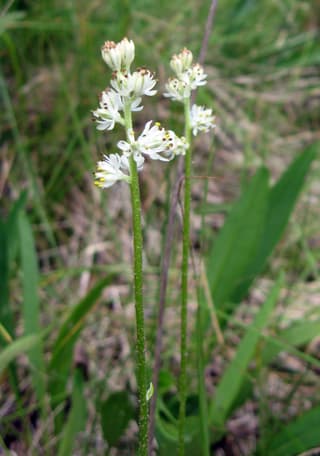
| Sticky false asphodel | Hard | Bright indirect | 1d | ✓ |
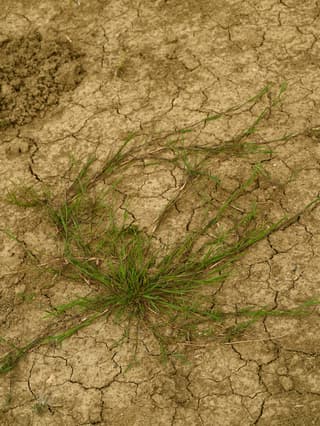
| Creeping bentgrass | Hard | Direct sun | 3d | ✓ |
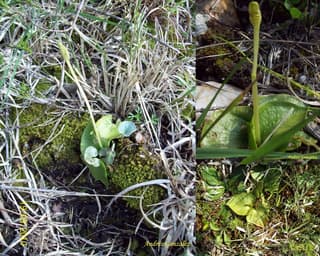
| Bulbous Adder's-tongue | Hard | Partial shade | 4d | ✓ |
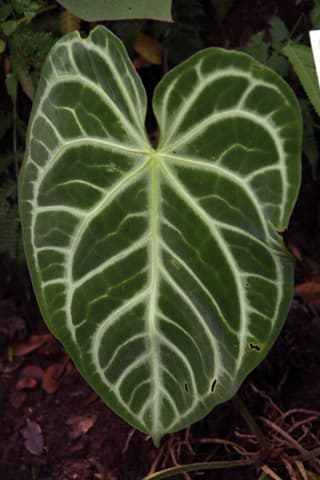
| Crystal Anthurium | Hard | Partial shade | 7d | ⚠️ |