Orobanchaceae
Wood Cow-wheat: Best for Low Light
Melampyrum nemorosum
Melampyrum nemorosum is extremely challenging to cultivate because it requires a living host plant to thrive — without one it germinates poorly and declines quickly. It is best suited to naturalistic woodland garden settings where suitable grass or herbaceous hosts are already established. Sow seeds directly in autumn (they need cold stratification) near host plants, in moist, slightly acidic, humus-rich soil in a partially shaded position. Do not fertilise; the plant obtains nutrients parasitically and excess fertility suppresses it. Once established it requires no irrigation beyond natural rainfall.
Every 7 days
Low light
-5° - 28°C
40% - 70%
Categories
What is Wood Cow-wheat?
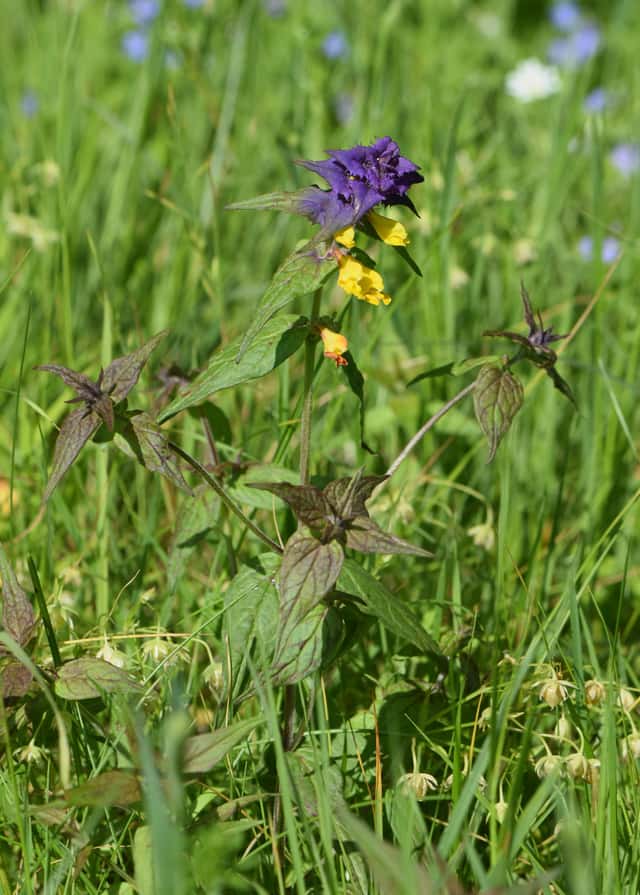
Wood Cow-wheat (Melampyrum nemorosum) is a hard-care plant from the Orobanchaceae family. Melampyrum nemorosum is a striking annual hemiparasitic wildflower native to European woodlands and their edges, from Central to Eastern Europe. It is instantly recognisable by its dramatic two-tone display: tubular golden-yellow flowers nestled among vivid purple-blue upper bracts — a combination s...
Wood Cow-wheat grows up to 50cm, spread of 35cm, watering every 7 days, -5°C – 28°C, 40–70% humidity. It is not suitable for indoor environments and safe for pets.
Unlike easy-care plants, Wood Cow-wheat demands constant attention to humidity and light. Not recommended for beginners. Unlike many popular species, Wood Cow-wheat is safe to keep around pets.
How to Care for Wood Cow-wheat?
TLDR: Wood Cow-wheat needs Low light, watering every 7 days, and temperatures between -5-28°C with 40-70% humidity.
How Often Should You Water Wood Cow-wheat?
Water only during prolonged dry spells, mimicking the moist but well-drained conditions of its woodland habitat. Approximately once per week in dry summers; otherwise rely on rainfall. Overwatering causes root rot. The hemiparasitic connection to host roots also provides some moisture supply.
How Much Light Does Wood Cow-wheat Need?
Thrives in partial shade to dappled light — the kind of light found at woodland edges or under an open canopy (approximately 5,000–30,000 lux). Avoid deep shade (below 3,000 lux) which suppresses flowering, and avoid full midday sun which scorches the delicate foliage.
What Is the Best Soil for Wood Cow-wheat?
Requires moist, humus-rich, slightly acidic loamy soil with pH 5.5–6.5. Good drainage is essential; the plant does not tolerate waterlogged conditions despite needing consistent moisture. Mix in leaf mould or composted bark to replicate its woodland floor substrate. Do not add fertiliser — nutrient-poor conditions are important for successful parasitic establishment.
What Is Wood Cow-wheat and Where Does It Come From?
Melampyrum nemorosum is a striking annual hemiparasitic wildflower native to European woodlands and their edges, from Central to Eastern Europe. It is instantly recognisable by its dramatic two-tone display: tubular golden-yellow flowers nestled among vivid purple-blue upper bracts — a combination so distinctive it earned it the folk name "Night and Day" across many European languages. As a facultative root hemiparasite in the family Orobanchaceae, it obtains supplementary water and minerals from neighbouring host plants (typically grasses, sedges, or herbaceous woodland species) via haustoria, while still performing photosynthesis. In Slavic tradition the plant is known as 'Ivan-da-Marya', a symbol of the union of opposites: the yellow flowers representing the masculine (Ivan) and the purple bracts the feminine (Maria). It typically grows 15–50 cm tall, preferring moist, humus-rich, slightly acidic soils in semi-shaded habitats such as woodland margins, scrubby meadows, and calcareous grassland edges.
How Big Does Wood Cow-wheat Grow?
TLDR: Wood Cow-wheat can reach up to 50cm tall with Medium growth rate.
Max height
50cm
Spread
35cm
Growth rate
Medium
Foliage
Deciduous
Warning: Toxic Plant
This plant can be toxic if ingested. Keep out of reach of:
Plant Uses
Ornamental
Great for decoration
Medicinal Uses
- In traditional Central European herbal medicine, the plant was used in small doses as a mild diuretic and febrifuge. The seeds contain aucubin, an iridoid glycoside. Caution: ingestion in quantity may cause digestive upset. Not recommended for modern self-treatment without medical supervision.
Is your plant showing symptoms?
Click on the symptom to discover possible causes:
What Diseases Commonly Affect Wood Cow-wheat?
TLDR: Wood Cow-wheat is susceptible to 4 known diseases. Monitor regularly for early detection.
Rust
Rust is a common fungal disease caused by fungi in the order Pucciniales that affects a wide variety of plants. The disease gets its name from the characteristic orange, yellow, or reddish-brown pustules that appear on leaves, resembling metal rust. This obligate fungal parasite requires living plants to survive and can cause significant economic losses in agricultural crops.
Downy Mildew
Downy mildew is a fungal-like disease caused by oomycetes (water molds) that thrives in cool, wet conditions. It affects a wide range of plants, causing yellowing leaves with fuzzy white-gray growth underneath, leading to defoliation and reduced yields if left untreated.
Powdery Mildew
Powdery mildew is a common fungal disease caused by various fungi species including Erysiphe, Podosphaera, Oïdium, and Leveillula. It affects over 10,000 plant species worldwide. The disease thrives in warm, dry climates with high humidity and appears as a distinctive white powdery coating on plant surfaces.
Aphids
Aphids are small, soft-bodied, pear-shaped insects (1/16 to 1/8 inch long) that feed by sucking nutrient-rich sap from plants. They reproduce rapidly and can quickly weaken plants, causing distorted growth and transmitting plant viruses. Aphids come in various colors including green, black, red, yellow, brown, and gray. They secrete honeydew, a sticky substance that attracts ants and encourages sooty mold growth.
Meaning & Symbolism
Across Central and Eastern Europe Melampyrum nemorosum is steeped in folk symbolism. In Slavic cultures it is called 'Ivan-da-Marya' after John the Baptist and Mary, with the yellow flowers representing masculine energy and the blue-purple bracts the feminine — together embodying the balance of opposites. It was traditionally gathered on Midsummer (Ivan Kupala) night and used in love charms and protective wreaths. In Estonian and Latvian tradition it is known as 'Night and Day', reinforcing its symbolism of duality.
Compare with similar plants
| Attribute | Difficulty | Light | Watering | Pet Safe |
|---|---|---|---|---|
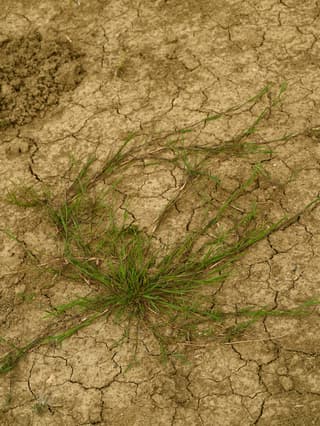
| Creeping bentgrass | Hard | Direct sun | 3d | ✓ |
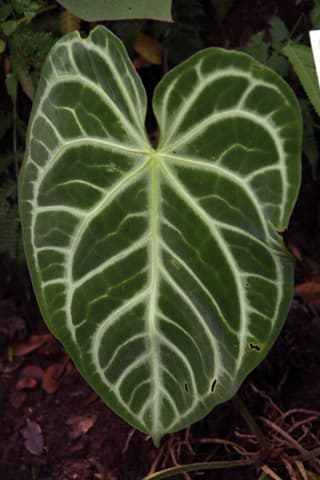
| Crystal Anthurium | Hard | Partial shade | 7d | ⚠️ |
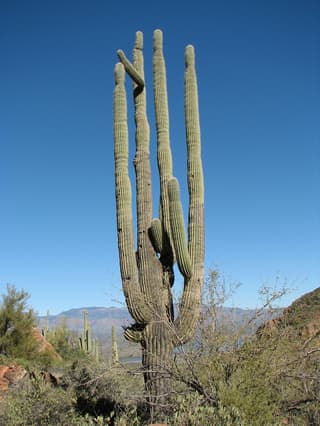
| Saguaro | Hard | Direct sun | 21d | ✓ |
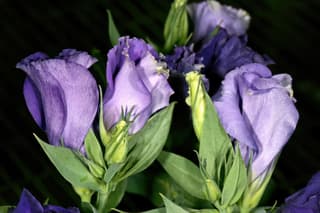
| Lisianthus | Hard | Bright indirect | 7d | ✓ |
Choose & Compare
Sources & References
- NaturaDB – Hain-Wachtelweizen / Melampyrum nemorosum
- Wikipedia DE – Hain-Wachtelweizen
- FloraVeg.EU – Melampyrum nemorosum ecological data
- PictureThis (DE) – Hain-Wachtelweizen Pflege
- InfoFlora.ch – Melampyrum nemorosum
- FloraWeb.de – Melampyrum nemorosum L.
- Kew POWO – Melampyrum nemorosum L.
- Plantiary – Wood Cow-Wheat Plant Care