Nepenthaceae
Tropical Pitcher Plant (Nepenthes spp) — Complete Care Guide
Nepenthes spp
Nepenthes thrive in bright indirect light with high humidity (60–90%) and consistently moist, nutrient-poor acidic substrate. Use only rainwater or distilled water. Avoid fertilizing the soil — let the pitchers do their work capturing insects. They grow slowly but reward patience with spectacular pitcher development.
Every 3 days
Bright indirect
18° - 32°C
60% - 90%
Categories
What is Tropical Pitcher Plant?
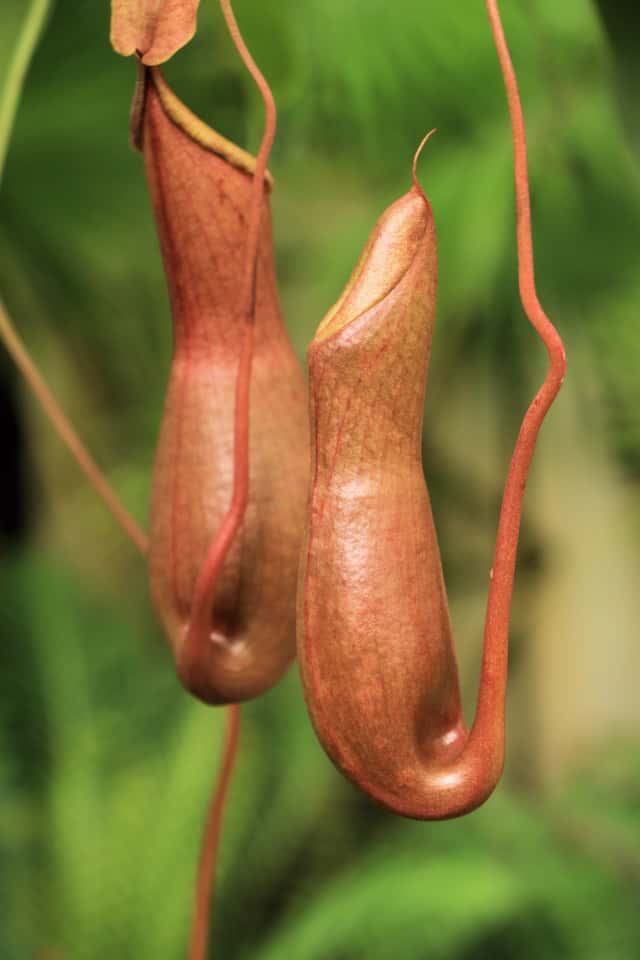
Tropical Pitcher Plant (Nepenthes spp) is a medium-care plant from the Nepenthaceae family. Nepenthes, commonly known as tropical pitcher plants or monkey cups, are fascinating carnivorous plants native to Southeast Asia, particularly Borneo, Sumatra, and the Philippines. They produce iconic pitcher-shaped traps filled with digestive fluid that capture and dissolve insects and small animal...
Tropical Pitcher Plant grows up to 3.0m, with spread of 100cm, watering every 3 days, 18°C – 32°C, 60–90% humidity. It is suitable for indoor environments and safe for pets.
Unlike many popular species, Tropical Pitcher Plant is safe to keep around pets. Without adequate drainage, root rot can develop within 7 days.
How to Care for Tropical Pitcher Plant?
TLDR: Tropical Pitcher Plant needs Bright indirect, watering every 3 days, and temperatures between 18-32°C with 60-90% humidity.
How Often Should You Water Tropical Pitcher Plant?
Water every 2–3 days using only rainwater, distilled, or demineralized water. Keep the substrate evenly moist but never waterlogged. Avoid tap water as mineral buildup is harmful. You can also keep the pitchers half-filled with distilled water.
How Much Light Does Tropical Pitcher Plant Need?
Provide bright, indirect light for 12–14 hours daily. East or west-facing windows work well. Avoid harsh direct midday sun which can scorch leaves. Colorless or non-forming pitchers usually signal insufficient light.
What Is the Best Soil for Tropical Pitcher Plant?
Use a carnivorous plant mix: equal parts sphagnum moss, perlite, and horticultural sand. Never add fertilizer to the soil. The mix must be very well-draining, acidic (pH 4.5–6.0), and low in nutrients.
What Pot Should You Use for Tropical Pitcher Plant?
Use a wide, shallow plastic pot with drainage holes. Plastic retains moisture better than terracotta, which is ideal for Nepenthes. Hanging baskets work excellently for trailing or vining species, allowing the pitchers to hang freely.
Care Schedule
Misting
Every 7 days
Rotate
Every 30 days
Repot
Every 730 days
What Is Tropical Pitcher Plant and Where Does It Come From?
Nepenthes, commonly known as tropical pitcher plants or monkey cups, are fascinating carnivorous plants native to Southeast Asia, particularly Borneo, Sumatra, and the Philippines. They produce iconic pitcher-shaped traps filled with digestive fluid that capture and dissolve insects and small animals to obtain nutrients from their nutrient-poor, acidic native soils.
How to Propagate Tropical Pitcher Plant?
Stem Cutting
Maintain high humidity around the cutting by sealing the bag partially. Change sphagnum moss if it begins to smell. Patience is key — Nepenthes cuttings can be slow to root.
- 1 Select a healthy stem with 2–3 nodes and no active pitchers
- 2 Cut just below a node using sterilized scissors
- 3 Dip the cut end in rooting hormone powder
- 4 Place cutting in a mix of damp sphagnum moss in a sealed plastic bag
- 5 Keep in bright indirect light at 22–28°C with high humidity
- 6 Roots typically develop in 4–8 weeks
Materials needed:
Seed Propagation
Use only fresh seeds — Nepenthes seeds lose viability quickly. Seeds need light to germinate, so do not bury them.
- 1 Sow fresh seeds on the surface of moist sphagnum moss — do not cover
- 2 Place in a humid, bright, warm environment (25–30°C)
- 3 Keep consistently moist with distilled water
- 4 Germination may take 1–3 months
- 5 Pot up seedlings when they have 3–4 leaves
Materials needed:
How Big Does Tropical Pitcher Plant Grow?
TLDR: Tropical Pitcher Plant can reach up to 3.0m tall with Slow growth rate.
Max height
3.0m
Spread
1.0m
Growth rate
Slow
Foliage
Evergreen
Plant Uses
Ornamental
Great for decoration
Medicinal
Medicinal properties
Medicinal Uses
- Traditional use in some regions of Southeast Asia as a folk remedy; pitcher fluid has been studied for antimicrobial properties
Is your plant showing symptoms?
Click on the symptom to discover possible causes:
What Diseases Commonly Affect Tropical Pitcher Plant?
TLDR: Tropical Pitcher Plant is susceptible to 8 known diseases. Monitor regularly for early detection.
Root Rot
Root rot is a serious fungal disease that affects the root system of plants, causing them to decay and die. It is primarily caused by overwatering, poor drainage, or soil-borne fungi such as Pythium, Phytophthora, Rhizoctonia, and Fusarium. The disease thrives in waterlogged conditions where roots are deprived of oxygen, making them susceptible to fungal infection.
Powdery Mildew
Powdery mildew is a common fungal disease caused by various fungi species including Erysiphe, Podosphaera, Oïdium, and Leveillula. It affects over 10,000 plant species worldwide. The disease thrives in warm, dry climates with high humidity and appears as a distinctive white powdery coating on plant surfaces.
Gray Mold (Botrytis Blight)
Gray mold, caused by the fungus Botrytis cinerea, is one of the most common fungal diseases in plants. It affects over 200 plant species, including ornamentals, vegetables, fruits, and houseplants. The disease thrives in cool, humid conditions with poor air circulation, causing grayish spots and soft rot on infected tissues.
Leaf Spot
Leaf spot is a common fungal disease caused by various pathogens including Alternaria, Ascochyta, Colletotrichum, Septoria, and Venturia. It primarily affects leaves, causing discolored spots that can lead to premature leaf drop if left untreated.
Meaning & Symbolism
The genus name Nepenthes derives from Greek mythology — nepenthes was a magical potion said to dissolve all sorrow. These plants evoke mystery, patience, and the extraordinary balance of beauty and danger.
Fun Facts
Some large Nepenthes species can trap and digest small vertebrates like frogs and even rats
The pitchers are not leaves — they are modified leaf tip extensions (tendrils)
Nepenthes is one of the few plants that provide habitat for other organisms inside its pitchers (called inquilines)
With over 170 described species, Nepenthes is the largest genus of carnivorous plants
Frequently asked questions
How often should I water my Nepenthes?
Does Nepenthes need fertilizer?
Why is my Nepenthes not forming pitchers?
Is Nepenthes toxic to pets?
Can I grow Nepenthes outdoors?
Compare with similar plants
| Attribute | Difficulty | Light | Watering | Pet Safe |
|---|---|---|---|---|
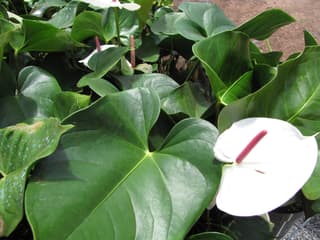
| Flamingo Flower | Medium | Partial shade | 5d | ⚠️ |
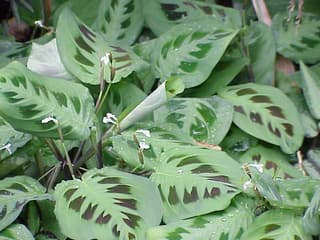
| Prayer Plant | Medium | Partial shade | 3d | ✓ |
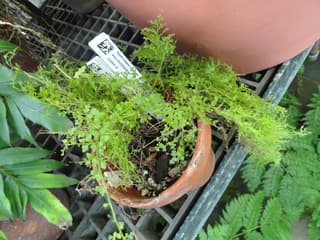
| Boston Fern | Medium | Partial shade | 3d | ✓ |
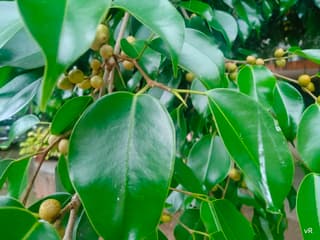
| Weeping Fig | Medium | Partial shade | 10d | ⚠️ |