Euphorbiaceae
Tung Oil Tree (Vernicia fordii)
Vernicia fordii
The Tung Oil Tree thrives in full sun with well-drained loamy soil. It is drought-tolerant once established and prefers a subtropical to temperate climate. Water every 7–14 days during the growing season, reducing in winter. Feed monthly with a balanced fertilizer during spring and summer. Not suitable for indoor cultivation. Handle with care — all parts are toxic.
Every 10 days
Direct sun
7° - 30°C
50% - 80%
Categories
What is Tung Oil Tree?
Tung Oil Tree (Vernicia fordii) is a medium-care plant from the Euphorbiaceae family. Vernicia fordii, commonly known as the Tung Oil Tree, is a medium-sized deciduous tree native to China. It belongs to the spurge family Euphorbiaceae and has been cultivated for centuries for its seeds, which yield tung oil — a valuable drying oil used in paints, varnishes, and wood finishes. The tr...
Tung Oil Tree grows up to 20.0m, spread of 500cm, watering every 10 days, 7°C – 30°C, 50–80% humidity. It is not suitable for indoor environments and not safe for pets.
Without precautions, ingestion can cause irritation in pets. Keep out of reach of cats and dogs.
How to Care for Tung Oil Tree?
TLDR: Tung Oil Tree needs Direct sun, watering every 10 days, and temperatures between 7-30°C with 50-80% humidity.
How Often Should You Water Tung Oil Tree?
Water every 7–14 days during the growing season, allowing the top 2–3 cm of soil to dry out between waterings. The Tung Oil Tree is sensitive to waterlogged soil, which can quickly lead to root rot. Reduce watering significantly in winter when the tree is dormant.
How Much Light Does Tung Oil Tree Need?
Requires full sun (at least 6–8 hours of direct sunlight per day). Position in an open area away from taller structures that could shade it. Young trees may tolerate light partial shade but will perform best and flower most prolifically with maximum sun exposure.
What Is the Best Soil for Tung Oil Tree?
Prefers well-drained, fertile loamy soil with a slightly acidic to neutral pH between 6.0 and 6.5. Avoid heavy clay or constantly wet soils. Amending with organic matter such as compost improves drainage and fertility. Liming acidic soils to the appropriate pH range greatly benefits this species.
What Pot Should You Use for Tung Oil Tree?
Large outdoor container or garden bed; containers are not recommended for long-term cultivation as this tree grows very large.
Care Schedule
Fertilize
Every 30 days
Repot
Every 365 days
What Is Tung Oil Tree and Where Does It Come From?
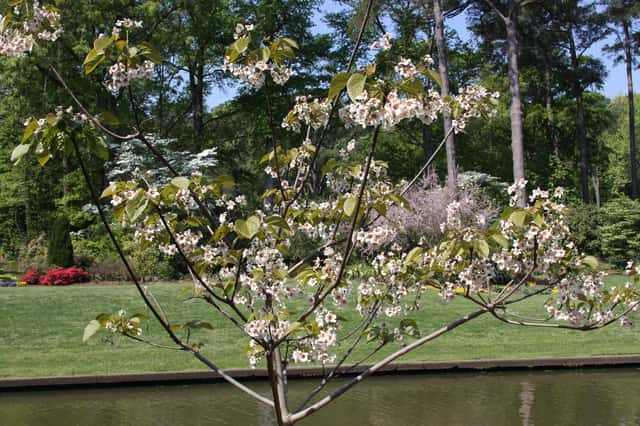
Vernicia fordii, commonly known as the Tung Oil Tree, is a medium-sized deciduous tree native to China. It belongs to the spurge family Euphorbiaceae and has been cultivated for centuries for its seeds, which yield tung oil — a valuable drying oil used in paints, varnishes, and wood finishes. The tree produces beautiful clusters of white to pink flowers with dark purple veining in late winter to early spring, before the leaves emerge. While ornamentally attractive, all parts of the plant are severely toxic.
How to Propagate Tung Oil Tree?
Seed Propagation
Hulled seeds germinate more rapidly than unhulled ones. Avoid planting after early spring. Wear gloves when handling seeds — they are toxic.
- 1 Collect mature seeds from ripe fruits in autumn
- 2 Hull the seeds to remove the outer coating and improve germination
- 3 Soak seeds in water for 5–7 days to hasten germination
- 4 Sow in well-drained seedling mix at a depth of 2–3 cm
- 5 Keep moist and in a warm location (20–25°C) until germination
Materials needed:
Hardwood Cutting
Shield budding in late August has higher success rates than stem cuttings. Keep humidity moderate around the cuttings.
- 1 Take cuttings of mature hardwood in late summer
- 2 Treat the cut end with rooting hormone
- 3 Insert into a well-drained propagation mix
- 4 Place in a warm, sheltered frame with indirect light
- 5 Keep moist until roots develop
Materials needed:
How Big Does Tung Oil Tree Grow?
TLDR: Tung Oil Tree can reach up to 20.0m tall with Medium growth rate.
Max height
20.0m
Spread
5.0m
Growth rate
Medium
Foliage
Deciduous
Warning: Toxic Plant
This plant can be toxic if ingested. Keep out of reach of:
Plant Uses
Ornamental
Great for decoration
Medicinal
Medicinal properties
Medicinal Uses
- Seed oil used in treatment of parasitic skin diseases, burns, scalds, and wounds (traditional use — not for self-treatment)
Is your plant showing symptoms?
Click on the symptom to discover possible causes:
What Diseases Commonly Affect Tung Oil Tree?
TLDR: Tung Oil Tree is susceptible to 12 known diseases. Monitor regularly for early detection.
Root Rot
Root rot is a serious fungal disease that affects the root system of plants, causing them to decay and die. It is primarily caused by overwatering, poor drainage, or soil-borne fungi such as Pythium, Phytophthora, Rhizoctonia, and Fusarium. The disease thrives in waterlogged conditions where roots are deprived of oxygen, making them susceptible to fungal infection.
Phytophthora Root Rot
Disease caused by fungus-like organisms (oomycetes) that live in soil and can survive for years. It affects roots, stem, and crown of plants, being especially severe in waterlogged or poorly drained soils. It is the second most common cause of root rot in trees and shrubs.
Pythium Root Rot
Pythium root rot is a serious fungal disease caused by various Pythium species including P. aphanidermatum, P. ultimum, and P. irregulare. These water molds are present in practically all cultivated soils and attack plant roots under wet conditions, causing rapid wet rot that can extend into the stem. The disease is favored by poor drainage, overwatering, and specific temperatures depending on the species.
Canker
Canker is a disease caused by various fungi and bacteria that create necrotic, sunken areas on bark of branches, stems, and trunks. Pathogens enter through wounds and natural openings, especially when plants are stressed. Canker can gradually weaken or kill branches by disrupting water and nutrient flow.
Meaning & Symbolism
In Chinese culture, the Tung Oil Tree carries a legacy of industrial heritage, representing the ingenuity of traditional craftsmanship. Its oil was historically used in lacquerwork, waterproofing boats, and preserving wood, making it a symbol of protection and durability.
Fun Facts
Tung oil was historically used to waterproof Chinese junks (wooden sailing ships)
Each tung oil seed contains approximately 50–60% oil by weight
The Tung Oil Tree flowers before its leaves appear, making spring blooms especially dramatic
Vernicia fordii was extensively cultivated in the southeastern USA during the early 20th century as a commercial oil crop
Frequently asked questions
Is the Tung Oil Tree toxic to pets?
How often should I water the Tung Oil Tree?
Can I grow a Tung Oil Tree indoors?
When does the Tung Oil Tree flower?
What soil is best for Vernicia fordii?
Compare with similar plants
| Attribute | Difficulty | Light | Watering | Pet Safe |
|---|---|---|---|---|
| Dark Fieldcap | Medium | Low light | 2d | ⚠️ |
| Azalea | Medium | Partial shade | 3d | ⚠️ |
| Muriel's Bamboo | Medium | Partial shade | 3d | ✓ |
| Bougainvillea | Medium | Direct sun | 7d | ⚠️ |




