Myrtaceae
Uvaia (Eugenia pyriformis) — Native Fruit from the Brazilian Atlantic Forest
Eugenia pyriformis
Uvaia is a low-maintenance tree that thrives in full sun. Water every 14 days or when the top 5 cm of soil feels dry. Plant in well-draining, slightly acidic soil. Fertilize every 60 days during the growing season to encourage fruit production.
Every 14 days
Direct sun
-2° - 35°C
60% - 85%
Categories
What is Uvaia?
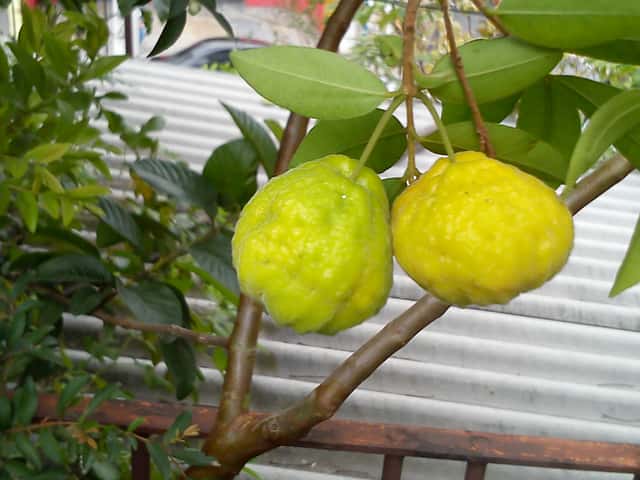
Uvaia (Eugenia pyriformis) is a medium-care plant from the Myrtaceae family. Uvaia (Eugenia pyriformis) is a fruit-bearing tree native to the Brazilian Atlantic Forest, belonging to the Myrtaceae family. It produces aromatic yellow-orange fruits rich in vitamin C and bioactive compounds. This species holds great ecological and gastronomic value, widely used in forest restora...
Uvaia grows up to 10.0m, spread of 500cm, watering every 14 days, -2°C – 35°C, 60–85% humidity. It is not suitable for indoor environments and safe for pets.
Unlike many popular species, Uvaia is safe to keep around pets.
How to Care for Uvaia?
TLDR: Uvaia needs Direct sun, watering every 14 days, and temperatures between -2-35°C with 60-85% humidity.
How Often Should You Water Uvaia?
Water uvaia every 14 days under normal conditions. During prolonged dry spells, water more frequently. Once established, the plant tolerates periods of drought. Avoid waterlogging, as it can cause root rot.
How Much Light Does Uvaia Need?
Plant uvaia in a location with full sun — at least 6 hours of direct sunlight per day. More sunlight means better fruit production. In heavily shaded environments, growth is impaired and fruiting decreases.
What Is the Best Soil for Uvaia?
Prefer fertile, well-draining, slightly acidic soil (pH 5.5–7.0). Soil rich in organic matter promotes healthy development. Avoid compacted or waterlogged soils.
What Pot Should You Use for Uvaia?
Ceramic or clay pots for seedlings; for permanent cultivation, prefer direct ground planting or very large containers (100L+).
Care Schedule
Fertilize
Every 60 days
Repot
Every 730 days
What Is Uvaia and Where Does It Come From?
Uvaia (Eugenia pyriformis) is a fruit-bearing tree native to the Brazilian Atlantic Forest, belonging to the Myrtaceae family. It produces aromatic yellow-orange fruits rich in vitamin C and bioactive compounds. This species holds great ecological and gastronomic value, widely used in forest restoration projects and sustainable landscaping.
How to Propagate Uvaia?
Seed Propagation
Use fresh seeds as they lose viability quickly. Germination rate is approximately 40%. Keep the substrate moist but not waterlogged during germination.
- 1 Extract seeds from ripe fruits and remove all pulp completely
- 2 Sow immediately in moist substrate, as seeds lose viability quickly
- 3 Cover with a thin layer of substrate (0.5-1 cm) and keep moist
- 4 Place in a shaded location and wait 40 to 60 days for germination
- 5 Transplant to a larger pot when the seedling reaches 20-30 cm
Materials needed:
How Big Does Uvaia Grow?
TLDR: Uvaia can reach up to 10.0m tall with Medium growth rate.
Max height
10.0m
Spread
5.0m
Growth rate
Medium
Foliage
Evergreen
Plant Uses
Ornamental
Great for decoration
Edible
Can be consumed
Culinary Uses
- Fresh consumption
- Juices and smoothies
- Ice cream and jams
- Liqueurs and fermented drinks
- Sweets and preserves
Is your plant showing symptoms?
Click on the symptom to discover possible causes:
What Diseases Commonly Affect Uvaia?
TLDR: Uvaia is susceptible to 5 known diseases. Monitor regularly for early detection.
Rust
Rust is a common fungal disease caused by fungi in the order Pucciniales that affects a wide variety of plants. The disease gets its name from the characteristic orange, yellow, or reddish-brown pustules that appear on leaves, resembling metal rust. This obligate fungal parasite requires living plants to survive and can cause significant economic losses in agricultural crops.
Scale Insects
Scale insects are small sap-sucking pests that appear as brown, shell-like bumps on plant stems and leaves. There are over 25 species, divided into armored (hard) and unarmored (soft) scales. They feed by piercing plant tissue and extracting sap, which weakens the plant and can lead to yellowing, stunted growth, and even death if left untreated. They also excrete honeydew, which attracts ants and promotes sooty mold growth.
Sooty Mold
Sooty mold is a fungal disease that develops on surfaces coated with honeydew, a sticky sweet substance secreted by sap-sucking insects like aphids, scale insects, and whiteflies. While it does not directly infect plant tissue, it reduces photosynthetic capacity by blocking sunlight and diminishes the plant's aesthetic appearance.
Leaf Spot
Leaf spot is a common fungal disease caused by various pathogens including Alternaria, Ascochyta, Colletotrichum, Septoria, and Venturia. It primarily affects leaves, causing discolored spots that can lead to premature leaf drop if left untreated.
Meaning & Symbolism
Uvaia represents the natural wealth of the Brazilian Atlantic Forest and the connection of the Brazilian people with native fruits. Its golden fruits symbolize abundance and vitality.
Fun Facts
Uvaia is rich in vitamin C, containing up to 5 times more than oranges.
When ripe, its fruits naturally fall to the ground and are enjoyed by local wildlife including birds and mammals.
The species is considered vulnerable in the state of São Paulo due to Atlantic Forest degradation.
The name "uvaia" has Tupi indigenous origins meaning "sour fruit".
Frequently asked questions
How often should I water uvaia?
Does uvaia need a lot of sun?
When does uvaia start producing fruit?
Is uvaia toxic to pets?
Can I grow uvaia in a pot?
Compare with similar plants
| Attribute | Difficulty | Light | Watering | Pet Safe |
|---|---|---|---|---|
| Dark Fieldcap | Medium | Low light | 2d | ⚠️ |
| Azalea | Medium | Partial shade | 3d | ⚠️ |
| Muriel's Bamboo | Medium | Partial shade | 3d | ✓ |
| Bougainvillea | Medium | Direct sun | 7d | ⚠️ |




