Orchidaceae
Greater Butterfly-orchid: Advanced Care Guide
Platanthera chlorantha
A wild, mycorrhiza-dependent orchid not typically suitable for indoor cultivation; in nature, it thrives in partial shade, well-draining calcareous soil, and stable moisture levels without flooding.
Every 7 days
Partial shade
-15° - 28°C
50% - 75%
Categories
What is Greater Butterfly-orchid?
Greater Butterfly-orchid (Platanthera chlorantha) is a hard-care plant from the Orchidaceae family. The Greater Butterfly-orchid (Platanthera chlorantha) is a tuberous orchid native to European forests, calcareous meadows, and marshy areas. Growing 30-60 cm tall, it features two shiny, elliptical basal leaves and smaller, oblong stem leaves. Its greenish-white, vanilla-scented flowers are arranged...
Greater Butterfly-orchid grows up to 60cm, spread of 30cm, watering every 7 days, -15°C – 28°C, 50–75% humidity. It is not suitable for indoor environments and safe for pets.
Unlike easy-care plants, Greater Butterfly-orchid demands constant attention to humidity and light. Not recommended for beginners. Unlike many popular species, Greater Butterfly-orchid is safe to keep around pets.
How to Care for Greater Butterfly-orchid?
TLDR: Greater Butterfly-orchid needs Partial shade, watering every 7 days, and temperatures between -15-28°C with 50-75% humidity.
How Often Should You Water Greater Butterfly-orchid?
Maintain consistent soil moisture without allowing the ground to become waterlogged, as excess water causes the tubers to rot. In its natural habitat, it relies mainly on rainfall.
How Much Light Does Greater Butterfly-orchid Need?
Prefers dappled light or partial shade; forest edges, clearings, and sparse thickets are most suitable, as direct sunlight can scorch the leaves.
What Is the Best Soil for Greater Butterfly-orchid?
Requires well-draining, neutral to alkaline (calcareous) soil; the presence of mycorrhizal fungi in the soil is essential for successful development.
What Is Greater Butterfly-orchid and Where Does It Come From?
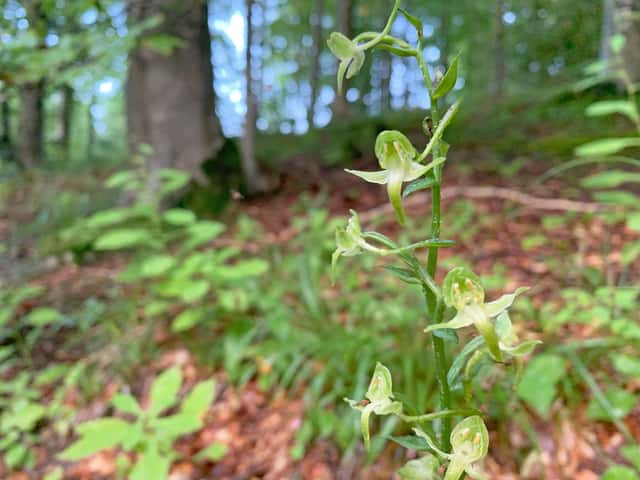
The Greater Butterfly-orchid (Platanthera chlorantha) is a tuberous orchid native to European forests, calcareous meadows, and marshy areas. Growing 30-60 cm tall, it features two shiny, elliptical basal leaves and smaller, oblong stem leaves. Its greenish-white, vanilla-scented flowers are arranged in a sparse inflorescence and feature a long spur adapted for pollination by nocturnal moths, such as noctuids and hawkmoths. Unlike the closely related Platanthera bifolia, its pollinaria attach between the pollinator's eyes rather than to the proboscis. The plant is specialized for calcareous and neutral soils and depends on mycorrhizal fungi for both germination and growth.
How Big Does Greater Butterfly-orchid Grow?
TLDR: Greater Butterfly-orchid can reach up to 60cm tall with Slow growth rate.
Max height
60cm
Spread
30cm
Growth rate
Slow
Foliage
Deciduous
Plant Uses
Ornamental
Great for decoration
Is your plant showing symptoms?
Click on the symptom to discover possible causes:
What Diseases Commonly Affect Greater Butterfly-orchid?
TLDR: Greater Butterfly-orchid is susceptible to 3 known diseases. Monitor regularly for early detection.
Root Rot
Root rot is a serious fungal disease that affects the root system of plants, causing them to decay and die. It is primarily caused by overwatering, poor drainage, or soil-borne fungi such as Pythium, Phytophthora, Rhizoctonia, and Fusarium. The disease thrives in waterlogged conditions where roots are deprived of oxygen, making them susceptible to fungal infection.
Overwatering
Overwatering occurs when plants receive too much water, depriving roots of oxygen and causing root rot. This environmental stress is one of the most common causes of houseplant death, as waterlogged soil prevents roots from breathing and functioning properly.
Slugs and Snails
Slugs and snails are mollusks that feed on plant tissue, causing irregular holes in leaves and damage to young seedlings. They are most active at night and in moist conditions, leaving characteristic silvery slime trails. These pests can quickly devastate gardens, especially during wet seasons.
Meaning & Symbolism
Nocturnal fidelity and hidden charm—its vanilla scent and pale flowers fully emerge only at dusk to attract nocturnal pollinators.
Compare with similar plants
| Attribute | Difficulty | Light | Watering | Pet Safe |
|---|---|---|---|---|
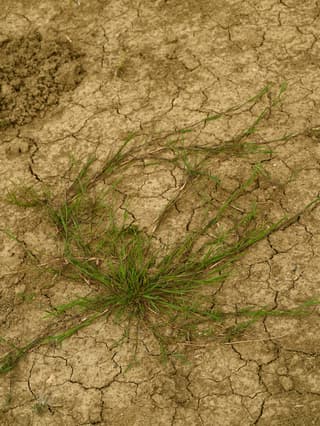
| Creeping bentgrass | Hard | Direct sun | 3d | ✓ |
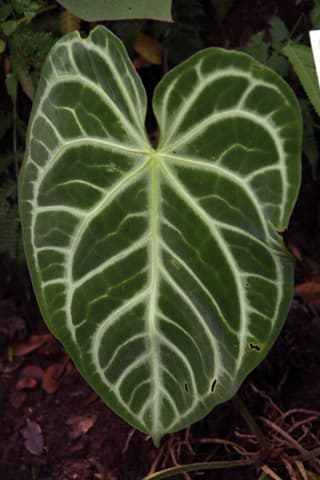
| Crystal Anthurium | Hard | Partial shade | 7d | ⚠️ |
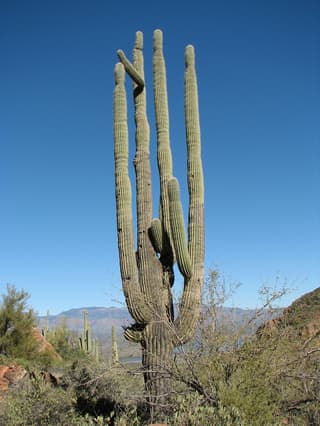
| Saguaro | Hard | Direct sun | 21d | ✓ |
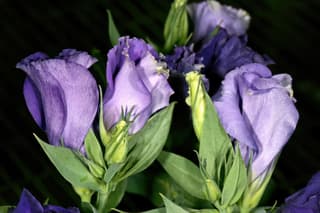
| Lisianthus | Hard | Bright indirect | 7d | ✓ |