Polygonaceae
Maidenhair Vine: How to Grow and Care for Muehlenbeckia complexa
Muehlenbeckia complexa
Moderate maintenance plant: water weekly keeping soil slightly moist, provide bright indirect light, and avoid waterlogging. Fertilize monthly during spring and summer, and trim lightly to manage vigorous growth.
Every 7 days
Partial shade
4° - 27°C
30% - 60%
Categories
What is Maidenhair Vine?
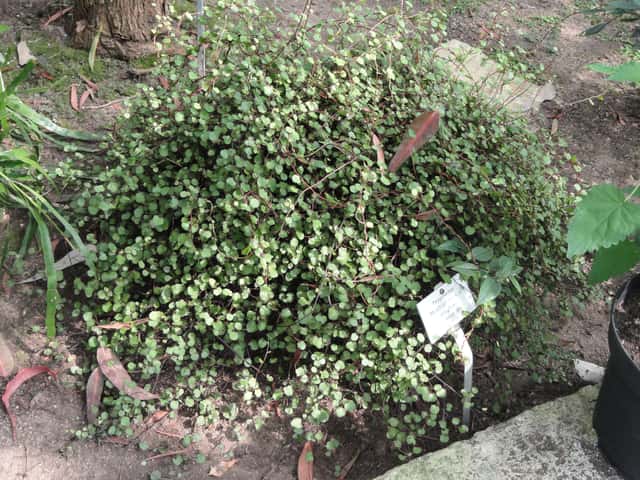
Maidenhair Vine (Muehlenbeckia complexa) is a medium-care plant from the Polygonaceae family. Muehlenbeckia complexa, commonly known as Maidenhair Vine or Angel Vine, is a fast-growing deciduous climber native to New Zealand. It features delicate, wiry interlacing stems adorned with small, round to heart-shaped leaves that create an intricate lacy texture. Versatile and resilient, it thrives...
Maidenhair Vine grows up to 5.0m, spread of 100cm, watering every 7 days, 4°C – 27°C, 30–60% humidity. It is suitable for indoor environments and not safe for pets.
Without precautions, ingestion can cause irritation in pets. Keep out of reach of cats and dogs. Without adequate drainage, root rot can develop within 14 days.
How to Care for Maidenhair Vine?
TLDR: Maidenhair Vine needs Partial shade, watering every 7 days, and temperatures between 4-27°C with 30-60% humidity.
How Often Should You Water Maidenhair Vine?
Water every 7 days, allowing the top 2-4 inches of soil to dry out between waterings. Reduce frequency in winter. Avoid soggy soil — Maidenhair Vine is sensitive to overwatering and highly susceptible to root rot.
How Much Light Does Maidenhair Vine Need?
Prefers bright indirect light near east or west-facing windows. Tolerates partial shade but avoid strong direct sunlight which can scorch the delicate leaves. Does not perform well in deep shade.
What Is the Best Soil for Maidenhair Vine?
Use a well-draining all-purpose potting mix, optionally enhanced with perlite for improved drainage. Ideal pH between 5.5 and 7.5. Avoid heavy, compacted soils that retain too much moisture.
What Pot Should You Use for Maidenhair Vine?
Hanging ceramic or macrame basket, wire basket lined with coconut coir, or terracotta pot with good drainage holes. Avoid pots without drainage.
Care Schedule
Fertilize
Every 30 days
Misting
Every 7 days
Repot
Every 730 days
What Is Maidenhair Vine and Where Does It Come From?
Muehlenbeckia complexa, commonly known as Maidenhair Vine or Angel Vine, is a fast-growing deciduous climber native to New Zealand. It features delicate, wiry interlacing stems adorned with small, round to heart-shaped leaves that create an intricate lacy texture. Versatile and resilient, it thrives both indoors and outdoors, making it popular for hanging baskets, ground cover, topiary frames, and trellises.
How to Propagate Maidenhair Vine?
Stem Cutting
Take cuttings in spring or early summer for best success rates. Change water every 2-3 days when propagating in water.
- 1 Cut a healthy stem 3-4 inches long with 2-3 leaves
- 2 Dip the cut end in rooting hormone powder
- 3 Plant in moist potting mix or place in a glass of water
- 4 Keep in a bright, indirect light location with moderate humidity
- 5 Transplant to a permanent pot once roots are 1-2 inches long
Materials needed:
Seed Propagation
Stem cuttings are faster and more reliable. Use fresh seeds for better germination rates.
- 1 Harvest seeds from ripe, fleshy white berries
- 2 Sow in fresh, moist seed-raising mix
- 3 Keep in a warm location with bright indirect light
- 4 Transplant seedlings when they have 2-3 true leaves
Materials needed:
How Big Does Maidenhair Vine Grow?
TLDR: Maidenhair Vine can reach up to 5.0m tall with Fast growth rate.
Max height
5.0m
Spread
1.0m
Growth rate
Fast
Foliage
Deciduous
Warning: Toxic Plant
This plant can be toxic if ingested. Keep out of reach of:
Plant Uses
Ornamental
Great for decoration
Ground Cover
Soil coverage
Is your plant showing symptoms?
Click on the symptom to discover possible causes:
What Diseases Commonly Affect Maidenhair Vine?
TLDR: Maidenhair Vine is susceptible to 11 known diseases. Monitor regularly for early detection.
Root Rot
Root rot is a serious fungal disease that affects the root system of plants, causing them to decay and die. It is primarily caused by overwatering, poor drainage, or soil-borne fungi such as Pythium, Phytophthora, Rhizoctonia, and Fusarium. The disease thrives in waterlogged conditions where roots are deprived of oxygen, making them susceptible to fungal infection.
Overwatering
Overwatering occurs when plants receive too much water, depriving roots of oxygen and causing root rot. This environmental stress is one of the most common causes of houseplant death, as waterlogged soil prevents roots from breathing and functioning properly.
Leaf Spot
Leaf spot is a common fungal disease caused by various pathogens including Alternaria, Ascochyta, Colletotrichum, Septoria, and Venturia. It primarily affects leaves, causing discolored spots that can lead to premature leaf drop if left untreated.
Gray Mold (Botrytis Blight)
Gray mold, caused by the fungus Botrytis cinerea, is one of the most common fungal diseases in plants. It affects over 200 plant species, including ornamentals, vegetables, fruits, and houseplants. The disease thrives in cool, humid conditions with poor air circulation, causing grayish spots and soft rot on infected tissues.
Meaning & Symbolism
In New Zealand, Muehlenbeckia complexa (known as pohuehue in Māori) symbolizes adaptability and coastal resilience. Māori children historically enjoyed the sweet, juicy flowers. It also serves as a host plant for the coastal copper butterfly.
Fun Facts
Native to New Zealand, this plant is called 'pohuehue' in Māori and holds deep cultural significance in coastal landscapes
The small white flowers produce sweet, fleshy berries that were historically enjoyed by Māori children
Despite its delicate appearance, it is surprisingly frost-hardy, tolerating temperatures down to -2°C (28°F)
Its intricate wiry stems and tiny leaves are a result of a unique New Zealand adaptation to coastal winds — a growth form called 'divaricating'
Frequently asked questions
How often should I water Maidenhair Vine?
Is Maidenhair Vine toxic to pets?
Why are the leaves on my Maidenhair Vine turning yellow?
Can Maidenhair Vine grow indoors?
How do I propagate Maidenhair Vine?
Compare with similar plants
| Attribute | Difficulty | Light | Watering | Pet Safe |
|---|---|---|---|---|
| Dark Fieldcap | Medium | Low light | 2d | ⚠️ |
| Azalea | Medium | Partial shade | 3d | ⚠️ |
| Muriel's Bamboo | Medium | Partial shade | 3d | ✓ |
| Bougainvillea | Medium | Direct sun | 7d | ⚠️ |




