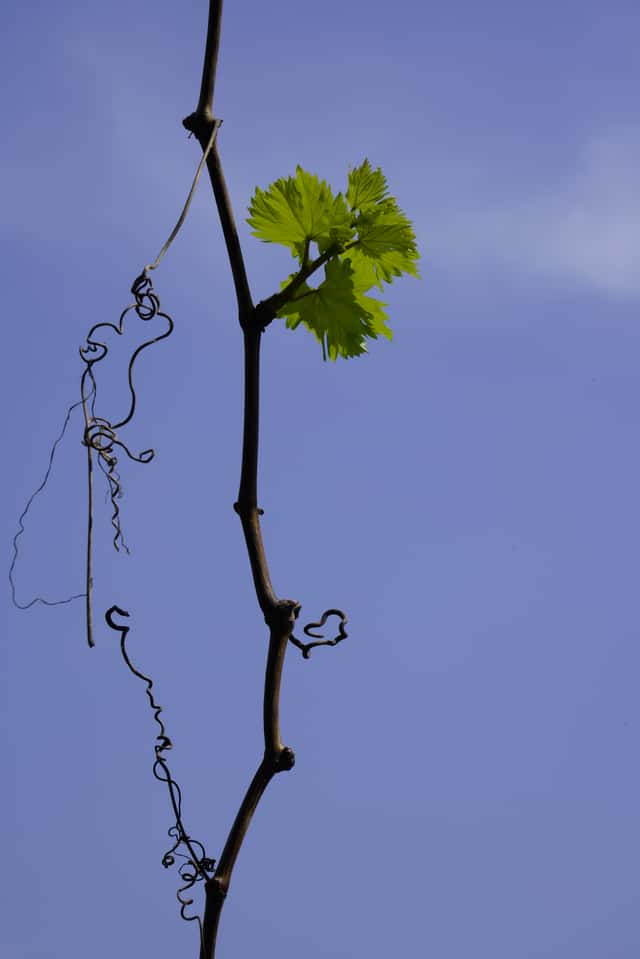
Vitaceae
Grapevine: Edible Plant
Vitis
Requires full sun exposure and rigorous annual pruning in winter to control its vigor and ensure fruit production.
Every 7 days
Direct sun
-23° - 38°C
40% - 70%
Categories
What is Grapevine?
Grapevine (Vitis) is a medium-care plant from the Vitaceae family. Vitis, commonly known as the grapevine, is a woody climbing plant of great historical and economic importance. Its stems, called canes, attach to supports using tendrils. It is famous for producing grapes, which grow in clusters and are the foundation of the wine industry, in addition to being consu...
Grapevine grows up to 15.0m, spread of 300cm, watering every 7 days, -23°C – 38°C, 40–70% humidity. It is not suitable for indoor environments and safe for pets.
Unlike many popular species, Grapevine is safe to keep around pets.
How to Care for Grapevine?
TLDR: Grapevine needs Direct sun, watering every 7 days, and temperatures between -23-38°C with 40-70% humidity.
How Often Should You Water Grapevine?
Water deeply at the base to avoid wetting the foliage, which helps prevent downy and powdery mildew.
How Much Light Does Grapevine Need?
Needs at least 6 to 8 hours of direct sunlight per day; a lack of light reduces fruit sweetness and encourages diseases.
What Is the Best Soil for Grapevine?
Prefers deep, well-drained, and slightly calcareous soils. Avoid excessively fertile soils that promote only leaf growth and little fruit.
What Pot Should You Use for Grapevine?
Planting directly in deep soil is recommended. For pots, use containers of at least 50 liters with excellent drainage.
Care Schedule
Fertilize
Every 30 days
What Is Grapevine and Where Does It Come From?
Vitis, commonly known as the grapevine, is a woody climbing plant of great historical and economic importance. Its stems, called canes, attach to supports using tendrils. It is famous for producing grapes, which grow in clusters and are the foundation of the wine industry, in addition to being consumed fresh or dried. Its leaves are large, lobed, and deciduous, providing dense foliage ideal for pergolas.
How to Propagate Grapevine?
Hardwood cutting
- Keep the substrate moist but not waterlogged
- Using rooting hormones can speed up the process
- 1 Cane selection
Cut a section of mature wood from the previous year, about 10-12 inches long, during the winter dormancy period.
- 2 Preparing the cut
Make a straight cut just below a node at the base and a slanted cut above a node at the top.
- 3 Planting
Bury the cutting in a sandy substrate, leaving only one or two buds above the surface.
Materials needed:
Simple layering
- Make a small incision on the buried part to stimulate root growth
- Keep the layering area consistently moist
- 1 Branch selection
Choose a long, flexible cane that can easily reach the ground.
- 2 Burying
Bend the branch toward the ground, bury a section about 4 inches deep, and secure it with a metal landscape pin.
- 3 Separation
Once the buried section has developed strong roots, cut the connection to the mother plant.
Materials needed:
How Big Does Grapevine Grow?
TLDR: Grapevine can reach up to 15.0m tall with Fast growth rate.
Max height
15.0m
Spread
3.0m
Growth rate
Fast
Foliage
Deciduous
Plant Uses
Edible
Can be consumed
Ornamental
Great for decoration
Medicinal Uses
- Natural antioxidant due to its high polyphenol content
- Improves venous circulation
- Anti-inflammatory properties
Culinary Uses
- Wine and must production
- Fresh grape consumption (table grapes)
- Stuffed grape leaves (Dolmas)
- Raisin production
- Grape vinegar
Is your plant showing symptoms?
Click on the symptom to discover possible causes:
What Diseases Commonly Affect Grapevine?
TLDR: Grapevine is susceptible to 9 known diseases. Monitor regularly for early detection.
Powdery Mildew
Powdery mildew is a common fungal disease caused by various fungi species including Erysiphe, Podosphaera, Oïdium, and Leveillula. It affects over 10,000 plant species worldwide. The disease thrives in warm, dry climates with high humidity and appears as a distinctive white powdery coating on plant surfaces.
Downy Mildew
Downy mildew is a fungal-like disease caused by oomycetes (water molds) that thrives in cool, wet conditions. It affects a wide range of plants, causing yellowing leaves with fuzzy white-gray growth underneath, leading to defoliation and reduced yields if left untreated.
Black Spot
Black spot is the most serious fungal disease affecting roses, caused by the fungus Diplocarpon rosae. It is characterized by dark circular spots on leaves that progress to yellowing and premature leaf drop. The disease thrives in humid and cool conditions, especially early in the growing season.
Anthracnose
Anthracnose is a fungal disease caused by fungi in the genus Colletotrichum that affects many plants, including vegetables, fruits, and trees. The disease thrives in cool, wet conditions, causing dark, sunken lesions on leaves, stems, flowers, and fruits.
Meaning & Symbolism
Historically associated with abundance, fertility, hospitality, and the celebration of life.
Compare with similar plants
| Attribute | Difficulty | Light | Watering | Pet Safe |
|---|---|---|---|---|
| Dark Fieldcap | Medium | Low light | 2d | ⚠️ |
| Azalea | Medium | Partial shade | 3d | ⚠️ |
| Bougainvillea | Medium | Direct sun | 7d | ⚠️ |
| Wild Lettuce | Medium | Direct sun | 7d | ⚠️ |



