Amanitaceae
Yellow Patches: Best for Low Light
Amanita flavoconia
This is a wild mushroom and cannot be easily cultivated at home; it requires a living host tree and specific forest floor conditions.
Every 2 days
Low light
10° - 24°C
70% - 95%
Categories
What is Yellow Patches?
Yellow Patches (Amanita flavoconia) is a hard-care plant from the Amanitaceae family. Amanita flavoconia, commonly known as Yellow Patches, is a mycorrhizal fungus characterized by its bright orange to yellow cap covered in small, yellow warty remnants of the universal veil. It is frequently found in broadleaf and coniferous forests across North America. Unlike plants, it lacks chlor...
Yellow Patches grows up to 15cm, spread of 10cm, watering every 2 days, 10°C – 24°C, 70–95% humidity. It is not suitable for indoor environments and not safe for pets.
Unlike easy-care plants, Yellow Patches demands constant attention to humidity and light. Not recommended for beginners. Without precautions, ingestion can cause irritation in pets. Keep out of reach of cats and dogs.
How to Care for Yellow Patches?
TLDR: Yellow Patches needs Low light, watering every 2 days, and temperatures between 10-24°C with 70-95% humidity.
How Often Should You Water Yellow Patches?
Requires constant dampness and high humidity, typically provided by natural rainfall and leaf litter.
How Much Light Does Yellow Patches Need?
Thrives in the deep shade of forest canopies; direct sunlight will quickly desiccate the fruiting body.
What Is the Best Soil for Yellow Patches?
Requires acidic, organic-rich soil found in undisturbed woodlands.
What Pot Should You Use for Yellow Patches?
Not suitable for pots; requires natural forest soil and symbiotic tree roots.
Care Schedule
Misting
Every 1 days
What Is Yellow Patches and Where Does It Come From?
Amanita flavoconia, commonly known as Yellow Patches, is a mycorrhizal fungus characterized by its bright orange to yellow cap covered in small, yellow warty remnants of the universal veil. It is frequently found in broadleaf and coniferous forests across North America. Unlike plants, it lacks chlorophyll and lives in a symbiotic relationship with tree roots.
How to Propagate Yellow Patches?
Spore Dispersal
- Requires a living host tree to survive.
- Sterile laboratory conditions are usually needed for successful agar culture.
- 1 Spore Collection
Place a mature cap on white paper to collect the white spore print.
- 2 Inoculation
Introduce spores to the root zone of a compatible host tree like Oak or Hemlock.
- 3 Incubation
Maintain high humidity and wait for the mycelium to form a mycorrhizal bond with the tree.
Materials needed:
How Big Does Yellow Patches Grow?
TLDR: Yellow Patches can reach up to 15cm tall with Fast growth rate.
Max height
15cm
Spread
10cm
Growth rate
Fast
Warning: Toxic Plant
This plant can be toxic if ingested. Keep out of reach of:
Plant Uses
Ornamental
Great for decoration
Is your plant showing symptoms?
Click on the symptom to discover possible causes:
Meaning & Symbolism
Often associated with the ephemeral beauty of the forest floor and the hidden complexity of fungal networks.
Compare with similar plants
| Attribute | Difficulty | Light | Watering | Pet Safe |
|---|---|---|---|---|
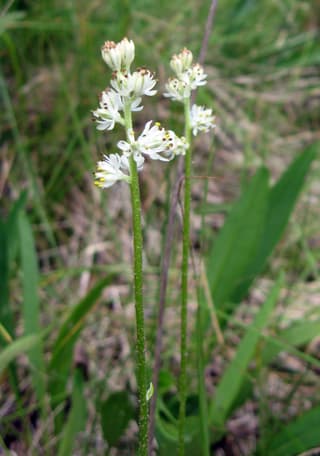
| Sticky false asphodel | Hard | Bright indirect | 1d | ✓ |
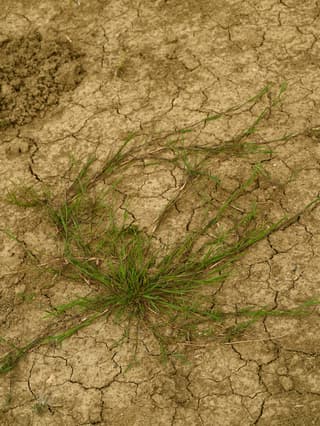
| Creeping bentgrass | Hard | Direct sun | 3d | ✓ |
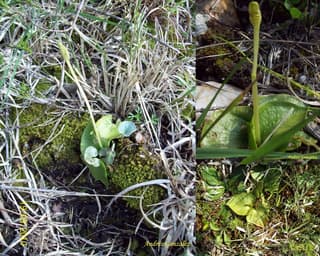
| Bulbous Adder's-tongue | Hard | Partial shade | 4d | ✓ |
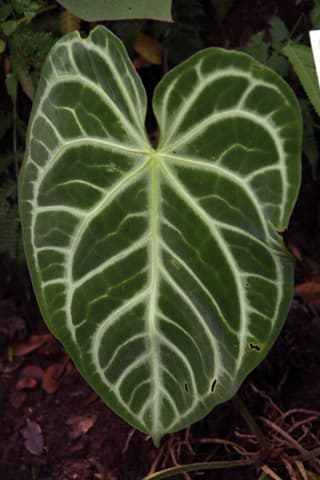
| Crystal Anthurium | Hard | Partial shade | 7d | ⚠️ |