Pyronemataceae
Cedar Cup: Best for Low Light
Geopora sumneriana
This fungus cannot be cultivated independently; its presence depends entirely on the existence of mature cedar trees and specific, moist soil conditions.
Every 7-10 days
Low light
5° - 22°C
65% - 95%
Categories
What is Cedar Cup?
Cedar Cup (Geopora sumneriana) is a hard-care plant from the Pyronemataceae family. Geopora sumneriana, commonly known as the Cedar Cup, is an ascomycete fungus that forms a strictly mycorrhizal symbiotic relationship with trees of the genus Cedrus. The fruiting body begins its development underground, emerging in spring as a hollow sphere that breaks open into a cup or star shape,...
Cedar Cup grows up to 5cm, spread of 7cm, 5°C – 22°C, 65–95% humidity. It is not suitable for indoor environments and safe for pets.
Unlike easy-care plants, Cedar Cup demands constant attention to humidity and light. Not recommended for beginners. Unlike many popular species, Cedar Cup is safe to keep around pets.
How to Care for Cedar Cup?
TLDR: Cedar Cup needs Low light, watering every 7 days, and temperatures between 5-22°C with 65-95% humidity.
How Often Should You Water Cedar Cup?
Fruiting is stimulated by spring rains; the soil should remain moist but not waterlogged.
How Much Light Does Cedar Cup Need?
It thrives in deep shade or filtered light under the dense canopy of cedars, where moisture is preserved.
What Is the Best Soil for Cedar Cup?
It prefers calcareous or neutral soils, covered by a thick layer of decomposing cedar needles.
What Pot Should You Use for Cedar Cup?
Not applicable, as it is a symbiotic fungus that requires natural soil and living tree roots.
What Is Cedar Cup and Where Does It Come From?
Geopora sumneriana, commonly known as the Cedar Cup, is an ascomycete fungus that forms a strictly mycorrhizal symbiotic relationship with trees of the genus Cedrus. The fruiting body begins its development underground, emerging in spring as a hollow sphere that breaks open into a cup or star shape, revealing a smooth, cream-colored interior, while the exterior is densely covered with brownish hairs.
How to Propagate Cedar Cup?
Natural Spore Dispersal
- Preserving cedar leaf litter (fallen needles) is crucial for protecting the mycelium.
- Avoid using fungicides in areas near cedars where the fungus occurs.
- 1 Ascocarp Maturation
The fruiting body must reach full maturity in spring for the asci to release the spores.
- 2 Spore Release
Spores are ejected into the air and transported by wind or water to the surrounding soil.
- 3 Root Colonization
Spores must find young cedar roots to form the ectomycorrhizal symbiosis necessary for the life cycle.
Materials needed:
How Big Does Cedar Cup Grow?
TLDR: Cedar Cup can reach up to 5cm tall with Fast growth rate.
Max height
5cm
Spread
7cm
Growth rate
Fast
Warning: Toxic Plant
This plant can be toxic if ingested. Keep out of reach of:
Plant Uses
Ornamental
Great for decoration
Is your plant showing symptoms?
Click on the symptom to discover possible causes:
Meaning & Symbolism
It symbolizes nature's hidden connections and the mutual dependence between different species.
Compare with similar plants
| Attribute | Difficulty | Light | Watering | Pet Safe |
|---|---|---|---|---|
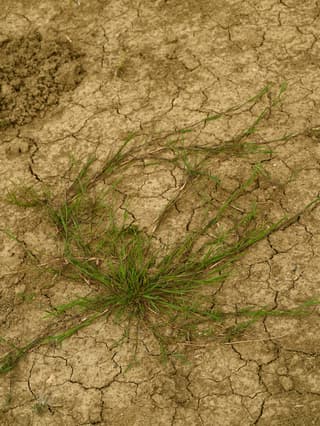
| Creeping bentgrass | Hard | Direct sun | 3d | ✓ |
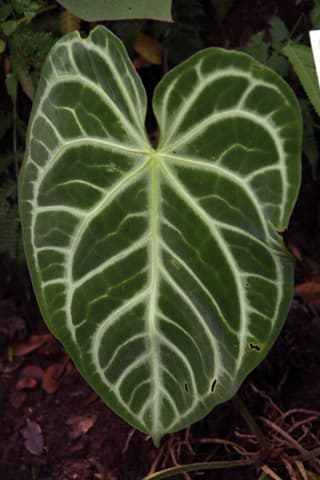
| Crystal Anthurium | Hard | Partial shade | 7d | ⚠️ |
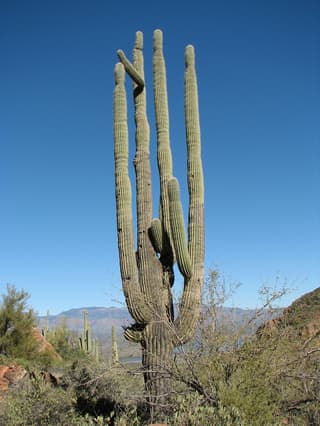
| Saguaro | Hard | Direct sun | 21d | ✓ |
| Lisianthus | Hard | Bright indirect | 7d | ✓ |