Zingiberaceae
Zedoary (Curcuma zedoaria): White Turmeric Care Guide
Curcuma zedoaria
Zedoary is a medium-difficulty plant suited for warm, humid environments. Water consistently during the growing season, provide bright indirect light or partial shade, use well-draining loamy soil, and allow dormancy in winter by reducing water. Fertilize monthly with a balanced fertilizer during active growth.
Every 4 days
Partial shade
14° - 35°C
60% - 90%
Categories
What is Zedoary?
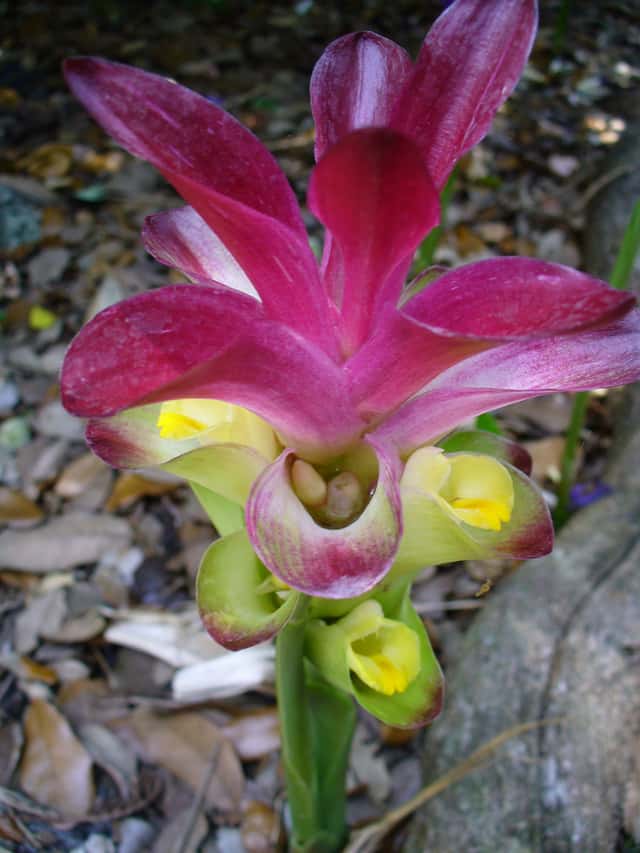
Zedoary (Curcuma zedoaria) is a medium-care plant from the Zingiberaceae family. Curcuma zedoaria, commonly known as Zedoary or White Turmeric, is a tropical rhizomatous perennial herb from Southeast Asia. A member of the ginger family (Zingiberaceae), it produces elegant pale yellow to white flowers with purple bracts in spring and summer. Its aromatic rhizomes have been used f...
Zedoary grows up to 1.2m, with spread of 90cm, watering every 4 days, 14°C – 35°C, 60–90% humidity. It is suitable for indoor environments and safe for pets.
Unlike many popular species, Zedoary is safe to keep around pets. Without adequate drainage, root rot can develop within 8 days.
How to Care for Zedoary?
TLDR: Zedoary needs Partial shade, watering every 4 days, and temperatures between 14-35°C with 60-90% humidity.
How Often Should You Water Zedoary?
Water every 3-5 days during the growing season, keeping soil evenly moist but never waterlogged. Reduce watering significantly in autumn as leaves die back, and keep rhizomes barely moist during winter dormancy. Resume normal watering when new growth appears in spring.
How Much Light Does Zedoary Need?
Prefers bright indirect light or morning sun with afternoon shade. Outdoors, plant in a dappled shade location. Indoors, place near a bright east- or west-facing window. Avoid intense midday sun which can scorch leaves.
What Is the Best Soil for Zedoary?
Use a rich, well-draining loamy mix amended with organic compost. A blend of garden soil, perlite, and compost works well. Avoid heavy clay soils that retain too much moisture, which can cause rhizome rot. Target a pH between 5.5 and 7.0.
What Pot Should You Use for Zedoary?
Use a medium-sized pot with drainage holes. Terracotta pots are ideal as they help prevent overwatering. For outdoor planting, raised beds with well-amended soil are recommended.
Care Schedule
Fertilize
Every 30 days
Misting
Every 3 days
Repot
Every 365 days
What Is Zedoary and Where Does It Come From?
Curcuma zedoaria, commonly known as Zedoary or White Turmeric, is a tropical rhizomatous perennial herb from Southeast Asia. A member of the ginger family (Zingiberaceae), it produces elegant pale yellow to white flowers with purple bracts in spring and summer. Its aromatic rhizomes have been used for millennia in Ayurvedic and Traditional Chinese Medicine, as well as in cooking. It goes dormant in winter, dying back to its underground rhizomes, and re-emerges vigorously each spring.
How to Propagate Zedoary?
Rhizome Division
Divide only healthy rhizomes. Do not overwater freshly planted sections as they are prone to rot before rooting.
- 1 Wait until new growth appears in spring before dividing
- 2 Carefully dig up the rhizome clump and shake off excess soil
- 3 Using a clean sharp knife, cut the rhizome into sections each with at least one healthy bud or 'eye'
- 4 Allow cut surfaces to dry for a few hours to prevent rot
- 5 Plant sections horizontally 5-8 cm deep in fresh moist soil with buds facing up
- 6 Water lightly and place in a warm bright location
Materials needed:
How Big Does Zedoary Grow?
TLDR: Zedoary can reach up to 1.2m tall with Medium growth rate.
Max height
1.2m
Spread
90cm
Growth rate
Medium
Foliage
Deciduous
Plant Uses
Medicinal
Medicinal properties
Ornamental
Great for decoration
Edible
Can be consumed
Aromatic
Pleasant fragrance
Medicinal Uses
- Anti-inflammatory treatment
- Digestive aid for nausea, bloating and indigestion
- Used in Ayurveda for menstrual irregularities
- Traditional treatment for skin conditions and wounds
- Used in traditional Chinese medicine for pain relief
Culinary Uses
- Rhizome used as a spice and condiment in Southeast Asian cuisine
- Adds a bitter, earthy flavor to curries and pickles
- Young shoots and leaves used in salads in parts of Southeast Asia
- Essential oil used as a food flavoring agent
Is your plant showing symptoms?
Click on the symptom to discover possible causes:
What Diseases Commonly Affect Zedoary?
TLDR: Zedoary is susceptible to 8 known diseases. Monitor regularly for early detection.
Root Rot
Root rot is a serious fungal disease that affects the root system of plants, causing them to decay and die. It is primarily caused by overwatering, poor drainage, or soil-borne fungi such as Pythium, Phytophthora, Rhizoctonia, and Fusarium. The disease thrives in waterlogged conditions where roots are deprived of oxygen, making them susceptible to fungal infection.
Overwatering
Overwatering occurs when plants receive too much water, depriving roots of oxygen and causing root rot. This environmental stress is one of the most common causes of houseplant death, as waterlogged soil prevents roots from breathing and functioning properly.
Spider Mites
Spider mites are tiny arachnids (less than 1/20 inch long) related to spiders and ticks that feed on plant sap. They thrive in hot, dry conditions and can cause significant damage to ornamental and vegetable plants. During severe infestations, crop losses can reach 14% or higher as these pests disrupt vital plant processes including photosynthesis, carbon dioxide absorption, and transpiration.
Mealybugs
Mealybugs are small, soft-bodied insects covered with a white, waxy, cottony material. They are common pests of houseplants and outdoor plants in mild climates. These sap-sucking insects feed on plant tissue, causing damage, stunted growth, and can lead to plant death if left untreated. They produce sticky honeydew which attracts sooty mold.
Meaning & Symbolism
In Southeast Asian cultures, zedoary is associated with healing, purification, and spiritual protection. Its fragrant rhizomes are used in ritual ceremonies.
Fun Facts
Zedoary has been used in traditional medicine for over 3,000 years across South and Southeast Asia
The white interior of the rhizome gives Curcuma zedoaria its common name White Turmeric
Zedoary essential oil contains compounds with demonstrated anti-cancer properties in laboratory studies
Unlike most tropical plants, Zedoary is fully deciduous — it disappears underground each winter and re-emerges in spring
Frequently asked questions
How often should I water Zedoary?
Does Zedoary need full sun or shade?
Is Curcuma zedoaria toxic to pets?
When does Zedoary go dormant?
How do I propagate Zedoary?
Compare with similar plants
| Attribute | Difficulty | Light | Watering | Pet Safe |
|---|---|---|---|---|
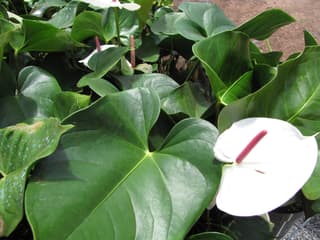
| Flamingo Flower | Medium | Partial shade | 5d | ⚠️ |
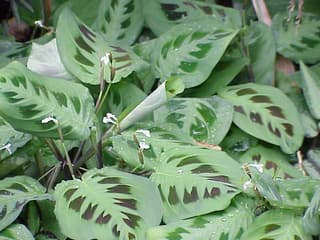
| Prayer Plant | Medium | Partial shade | 3d | ✓ |
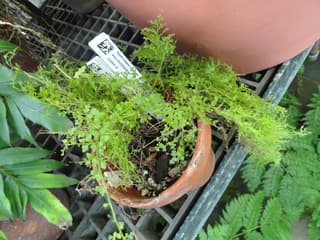
| Boston Fern | Medium | Partial shade | 3d | ✓ |
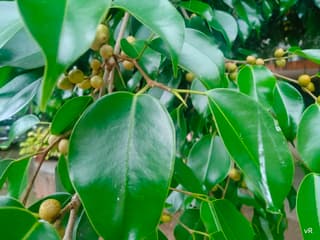
| Weeping Fig | Medium | Partial shade | 10d | ⚠️ |