Geraniaceae
Zonal Geranium (Pelargonium hortorum) Complete Care Guide
Pelargonium × hortorum
Zonal Geranium thrives in bright light with some direct sun, moderate watering with periods of drying between waterings, and well-draining soil. Deadhead spent blooms regularly to promote continuous flowering. Fertilize every 4 weeks during the growing season.
Every 4 days
Bright indirect
7° - 30°C
40% - 60%
Categories
What is Zonal Geranium?
Zonal Geranium (Pelargonium × hortorum) is a medium-care plant from the Geraniaceae family. Pelargonium hortorum, commonly known as Zonal Geranium or Horseshoe Geranium, is one of the most popular flowering plants in gardens and containers worldwide. Native to South Africa, it is a hybrid derived from Pelargonium zonale and P. inquinans. Its distinctive rounded leaves feature a darker hors...
Zonal Geranium grows up to 60cm, spread of 50cm, watering every 4 days, 7°C – 30°C, 40–60% humidity. It is suitable for indoor environments and not safe for pets.
Without precautions, ingestion can cause irritation in pets. Keep out of reach of cats and dogs. Without adequate drainage, root rot can develop within 8 days.
How to Care for Zonal Geranium?
TLDR: Zonal Geranium needs Bright indirect, watering every 4 days, and temperatures between 7-30°C with 40-60% humidity.
How Often Should You Water Zonal Geranium?
Water thoroughly when the top 1-2 inches of soil feel dry. Avoid waterlogging as it leads to root rot. Do not mist the foliage — wet leaves promote fungal diseases. Reduce watering in winter.
How Much Light Does Zonal Geranium Need?
Place in a spot receiving at least 4-6 hours of direct sunlight daily. A south or west-facing window is ideal indoors. Outdoors, partial afternoon shade in hot climates helps prevent leaf scorch.
What Is the Best Soil for Zonal Geranium?
Use a rich, well-draining potting mix. Avoid heavy clay soils. A mix of potting soil with added perlite or coarse sand works well. Ensure the container has drainage holes to prevent waterlogging.
What Pot Should You Use for Zonal Geranium?
Terracotta pots are ideal as they allow the soil to dry out evenly and prevent waterlogging. Ensure any container has adequate drainage holes.
Care Schedule
Fertilize
Every 14 days
Misting
Every 3 days
Rotate
Every 30 days
Repot
Every 365 days
What Is Zonal Geranium and Where Does It Come From?
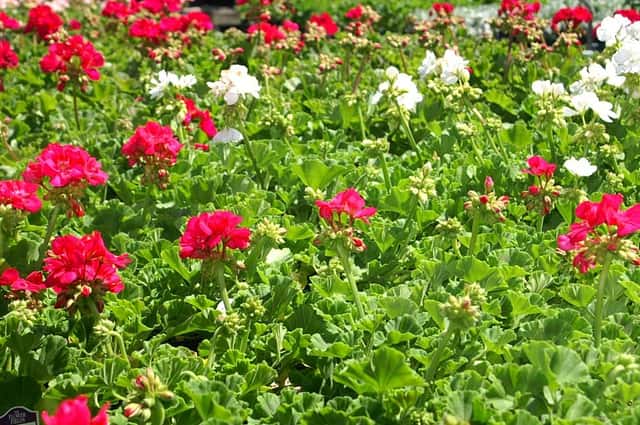
Pelargonium hortorum, commonly known as Zonal Geranium or Horseshoe Geranium, is one of the most popular flowering plants in gardens and containers worldwide. Native to South Africa, it is a hybrid derived from Pelargonium zonale and P. inquinans. Its distinctive rounded leaves feature a darker horseshoe-shaped band, and it produces prolific clusters of flowers in vibrant shades of red, pink, orange, white, and purple from spring through fall.
How to Propagate Zonal Geranium?
Stem Cutting
Allow the cut end to dry for a few hours before planting to reduce rot risk. Avoid misting cuttings.
- 1 Select a healthy non-flowering stem 4-6 inches long
- 2 Remove lower leaves, leaving 2-3 at the tip
- 3 Allow the cutting to callous for a few hours
- 4 Insert into moist, well-draining potting mix or water
- 5 Place in bright indirect light and keep soil lightly moist
Materials needed:
Seed Germination
Seeds need consistent warmth and moisture to germinate. Use fresh seeds for best results.
- 1 Sow seeds in moist seed-starting mix
- 2 Cover lightly and place under plastic wrap to retain humidity
- 3 Keep at 21-24°C until germination
- 4 Remove cover once seedlings emerge
- 5 Transplant when seedlings have 2-3 true leaves
Materials needed:
How Big Does Zonal Geranium Grow?
TLDR: Zonal Geranium can reach up to 60cm tall with Medium growth rate.
Max height
60cm
Spread
50cm
Growth rate
Medium
Foliage
Evergreen
Warning: Toxic Plant
This plant can be toxic if ingested. Keep out of reach of:
Plant Uses
Ornamental
Great for decoration
Is your plant showing symptoms?
Click on the symptom to discover possible causes:
What Diseases Commonly Affect Zonal Geranium?
TLDR: Zonal Geranium is susceptible to 13 known diseases. Monitor regularly for early detection.
Rust
Rust is a common fungal disease caused by fungi in the order Pucciniales that affects a wide variety of plants. The disease gets its name from the characteristic orange, yellow, or reddish-brown pustules that appear on leaves, resembling metal rust. This obligate fungal parasite requires living plants to survive and can cause significant economic losses in agricultural crops.
Gray Mold (Botrytis Blight)
Gray mold, caused by the fungus Botrytis cinerea, is a widespread necrotrophic pathogen affecting over 1,400 plant species. It thrives in cool, humid conditions and attacks weakened or aging plant tissues, causing soft rot and characteristic gray fuzzy growth.
Bacterial Blight
Bacterial blight is a serious plant disease caused by pathogenic bacteria that enters plants through wounds or natural openings. It spreads rapidly in warm, wet conditions and can cause significant damage to leaves, stems, and flowers. The bacteria are transmitted by water splash, contaminated tools, and insects.
Root Rot
Root rot is a serious fungal disease that affects the root system of plants, causing them to decay and die. It is primarily caused by overwatering, poor drainage, or soil-borne fungi such as Pythium, Phytophthora, Rhizoctonia, and Fusarium. The disease thrives in waterlogged conditions where roots are deprived of oxygen, making them susceptible to fungal infection.
Meaning & Symbolism
Geraniums symbolize good wishes, friendship, and positive energy. In Victorian floriography, they represented comfort, folly, and unexpected meetings.
Fun Facts
Pelargonium hortorum is a hybrid between two South African species, P. zonale and P. inquinans, developed in the 18th century.
The distinctive dark horseshoe-shaped band on its leaves gives it the nickname "Horseshoe Geranium."
Pelargonium oil extracted from related species is widely used in perfumery and aromatherapy.
Despite being called "geraniums," they are not true Geraniums — they belong to the genus Pelargonium.
Frequently asked questions
How often should I water my Zonal Geranium?
Is Zonal Geranium toxic to pets?
Why are my geranium leaves yellowing?
How do I get my Zonal Geranium to bloom more?
Can I grow Zonal Geranium indoors?
Compare with similar plants
| Attribute | Difficulty | Light | Watering | Pet Safe |
|---|---|---|---|---|
| Dark Fieldcap | Medium | Low light | 2d | ⚠️ |
| Azalea | Medium | Partial shade | 3d | ⚠️ |
| Muriel's Bamboo | Medium | Partial shade | 3d | ✓ |
| Bougainvillea | Medium | Direct sun | 7d | ⚠️ |




