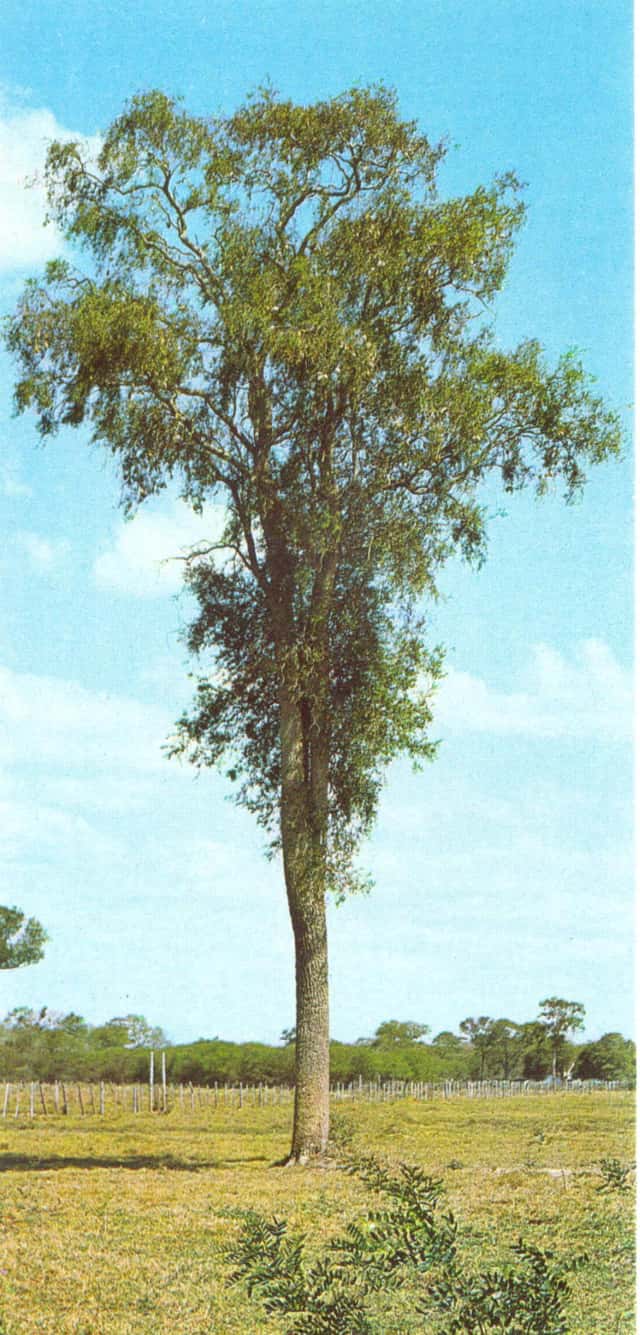
Apocynaceae
Aspidosperma (genus): plant care guide
Aspidosperma
Full sun tree, drought-tolerant once established. Water every 7-10 days for young plants; mature trees need less frequent irrigation. Well-draining soil is essential. Very slow growth — suitable for zones 9-12 outdoors.
Every 8 days
Direct sun
15° - 35°C
50% - 80%
Categories
What is Aspidosperma (genus)?
Aspidosperma (genus) (Aspidosperma) is a medium-care plant from the Apocynaceae family. Aspidosperma is a genus of tropical and subtropical trees in the family Apocynaceae, native to South America, Central America, and the Caribbean. It includes notable species such as peroba-rosa (A. polyneuron), white quebracho (A. quebracho-blanco), and A. macrocarpon. These slow-growing, large-cano...
Aspidosperma (genus) grows up to 25.0m, spread of 800cm, watering every 8 days, 15°C – 35°C, 50–80% humidity. It is not suitable for indoor environments and not safe for pets.
Without precautions, ingestion can cause irritation in pets. Keep out of reach of cats and dogs.
How to Care for Aspidosperma (genus)?
TLDR: Aspidosperma (genus) needs Direct sun, watering every 8 days, and temperatures between 15-35°C with 50-80% humidity.
How Often Should You Water Aspidosperma (genus)?
Water young plants every 7-10 days, keeping soil lightly moist. Established trees are drought-tolerant. Avoid waterlogging — soggy soil promotes root rot in this genus.
How Much Light Does Aspidosperma (genus) Need?
Full sun preferred (at least 6 hours of direct sunlight daily). Tolerates partial shade when young, but thrives in bright direct light for optimal growth.
What Is the Best Soil for Aspidosperma (genus)?
Well-draining, moderately fertile soil with pH 5.5-7.5. Add sand or perlite to clay soils to improve drainage. Avoid waterlogged conditions.
What Pot Should You Use for Aspidosperma (genus)?
Large clay or sturdy plastic pot for seedlings; transplant to open ground when reaching 1 meter height.
Care Schedule
Fertilize
Every 90 days
What Is Aspidosperma (genus) and Where Does It Come From?
Aspidosperma is a genus of tropical and subtropical trees in the family Apocynaceae, native to South America, Central America, and the Caribbean. It includes notable species such as peroba-rosa (A. polyneuron), white quebracho (A. quebracho-blanco), and A. macrocarpon. These slow-growing, large-canopy trees produce extremely hard and durable timber. The bark contains valuable medicinal alkaloids used in traditional medicine across the Neotropics.
How to Propagate Aspidosperma (genus)?
Seed propagation
Seeds lose viability quickly — sow soon after collection. Irregular germination is normal for this genus.
- 1 Collect fresh seeds from ripe fruits
- 2 Sow in well-draining, moist substrate
- 3 Keep in a warm location with good light
- 4 Transplant when seedling reaches 20-30 cm
Materials needed:
How Big Does Aspidosperma (genus) Grow?
TLDR: Aspidosperma (genus) can reach up to 25.0m tall with Slow growth rate.
Max height
25.0m
Spread
8.0m
Growth rate
Slow
Foliage
Evergreen
Warning: Toxic Plant
This plant can be toxic if ingested. Keep out of reach of:
Plant Uses
Ornamental
Great for decoration
Medicinal
Medicinal properties
Medicinal Uses
- Bark contains antipyretic and astringent alkaloids used in traditional medicine; A. quebracho-blanco is a source of yohimbine and quinine-related compounds; ethnobotanical use in treating fever and tropical diseases
Is your plant showing symptoms?
Click on the symptom to discover possible causes:
What Diseases Commonly Affect Aspidosperma (genus)?
TLDR: Aspidosperma (genus) is susceptible to 4 known diseases. Monitor regularly for early detection.
Root Rot
Root rot is a serious fungal disease that affects the root system of plants, causing them to decay and die. It is primarily caused by overwatering, poor drainage, or soil-borne fungi such as Pythium, Phytophthora, Rhizoctonia, and Fusarium. The disease thrives in waterlogged conditions where roots are deprived of oxygen, making them susceptible to fungal infection.
Scale Insects
Scale insects are small sap-sucking pests that appear as brown, shell-like bumps on plant stems and leaves. There are over 25 species, divided into armored (hard) and unarmored (soft) scales. They feed by piercing plant tissue and extracting sap, which weakens the plant and can lead to yellowing, stunted growth, and even death if left untreated. They also excrete honeydew, which attracts ants and promotes sooty mold growth.
Leaf Spot
Leaf spot is a common fungal disease caused by various pathogens including Alternaria, Ascochyta, Colletotrichum, Septoria, and Venturia. It primarily affects leaves, causing discolored spots that can lead to premature leaf drop if left untreated.
Anthracnose
Anthracnose is a fungal disease caused by fungi in the genus Colletotrichum that affects many plants, including vegetables, fruits, and trees. The disease thrives in cool, wet conditions, causing dark, sunken lesions on leaves, stems, flowers, and fruits.
Meaning & Symbolism
Symbol of strength, longevity, and the noble forest heritage of the Neotropics. Aspidosperma timber has long been synonymous with exceptional construction quality.
Fun Facts
Peroba-rosa (A. polyneuron) is considered one of Brazil's most durable hardwoods, used in shipbuilding and luxury furniture
White quebracho (A. quebracho-blanco) gets its name from Spanish "quebra hacha" — "axe breaker" — a testament to its extreme wood hardness
Aspidosperma quebracho-blanco was a major commercial source of tannins and alkaloids in the 19th century
The genus contains over 100 species distributed throughout tropical America
Frequently asked questions
How fast does Aspidosperma grow?
Is Aspidosperma toxic?
Can I grow Aspidosperma in a pot?
What soil does Aspidosperma need?
Compare with similar plants
| Attribute | Difficulty | Light | Watering | Pet Safe |
|---|---|---|---|---|
| Dark Fieldcap | Medium | Low light | 2d | ⚠️ |
| Azalea | Medium | Partial shade | 3d | ⚠️ |
| Muriel's Bamboo | Medium | Partial shade | 3d | ✓ |
| Bougainvillea | Medium | Direct sun | 7d | ⚠️ |




