Euphorbiaceae
Cassava: Edible Plant
Manihot esculenta
A hardy and easy-to-grow plant, cassava prefers full sun, well-drained soil, and moderate watering. It tolerates poor soils and short periods of drought once established, but does not withstand waterlogging or frost. It grows quickly and can be cultivated in large pots or directly in the ground.
Every 7 days
Bright indirect
15° - 32°C
40% - 70%
Categories
What is Cassava?
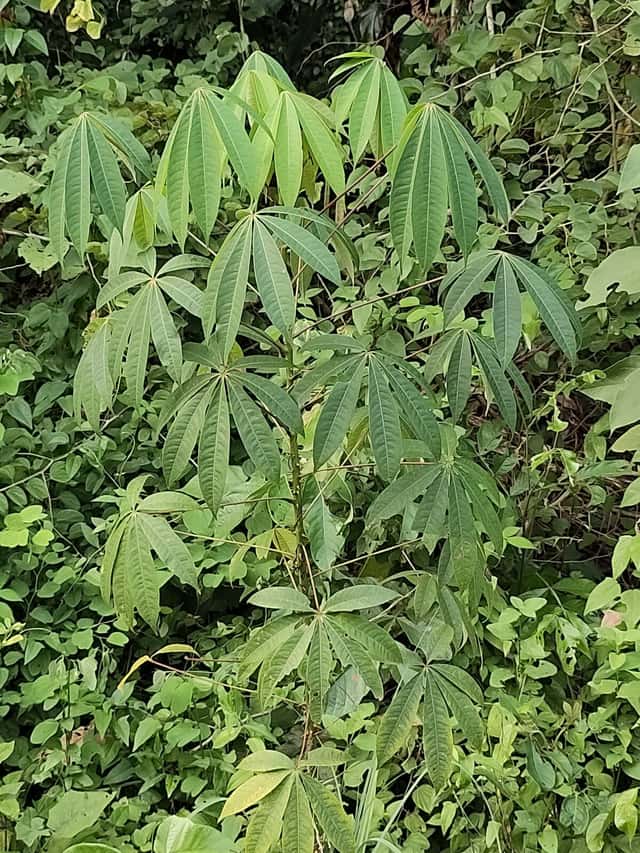
Cassava (Manihot esculenta) is a easy-care plant from the Euphorbiaceae family. Cassava (Manihot esculenta) is a perennial shrub in the Euphorbiaceae family, native to South America and cultivated for millennia by indigenous peoples as an essential source of carbohydrates. It features deeply lobed palmate leaves, woody stems, and starchy tuberous roots that constitute the edibl...
Cassava grows up to 3.0m, spread of 250cm, watering every 7 days, 15°C – 32°C, 40–70% humidity. It is not suitable for indoor environments and not safe for pets.
Unlike many tropical plants, Cassava tolerates watering mistakes. Best for beginners. Without precautions, ingestion can cause irritation in pets. Keep out of reach of cats and dogs.
How to Care for Cassava?
TLDR: Cassava needs Bright indirect, watering every 7 days, and temperatures between 15-32°C with 40-70% humidity.
How Often Should You Water Cassava?
Water deeply once a week, allowing the top layer of soil to dry out between waterings. Reduce frequency during cold periods and avoid waterlogging, which promotes root rot.
How Much Light Does Cassava Need?
Prefers full sun, with at least 6 to 8 hours of direct light per day. It tolerates partial shade, but root growth and tuber production will be reduced.
What Is the Best Soil for Cassava?
Use light, well-drained soil rich in organic matter, with a pH between 5.5 and 7.5. Waterlogged or compacted soils promote root diseases.
What Pot Should You Use for Cassava?
Prefer large, deep pots (at least 40 cm deep) with good drainage, as the plant develops voluminous tuberous roots. In tropical climates, direct planting in the ground is most recommended.
Care Schedule
Fertilize
Every 90 days
Rotate
Every 14 days
Repot
Every 365 days
What Is Cassava and Where Does It Come From?
Cassava (Manihot esculenta) is a perennial shrub in the Euphorbiaceae family, native to South America and cultivated for millennia by indigenous peoples as an essential source of carbohydrates. It features deeply lobed palmate leaves, woody stems, and starchy tuberous roots that constitute the edible part of the plant. It is one of the most important food crops in the tropics, adapting well to poor soils and drought periods. Warning: all raw parts of the plant, especially the roots and leaves, contain cyanogenic glycosides and are toxic—they must only be consumed after being peeled and thoroughly cooked.
How Big Does Cassava Grow?
TLDR: Cassava can reach up to 3.0m tall with Fast growth rate.
Max height
3.0m
Spread
2.5m
Growth rate
Fast
Foliage
Evergreen
Warning: Toxic Plant
This plant can be toxic if ingested. Keep out of reach of:
Plant Uses
Edible
Can be consumed
Medicinal
Medicinal properties
Medicinal Uses
- In folk medicine, cooked leaves are used as a source of iron and protein in some regions of Africa and South America
- Processed root extracts are studied for antioxidant properties, but do not replace proven medicinal use
Culinary Uses
- Peeled and thoroughly cooked roots are the base for cassava flour, tapioca, starch, and beiju
- Popular as boiled, fried, or mashed yuca after being peeled and cooked
- Young leaves, thoroughly cooked, are consumed as the dish 'maniçoba' in some regions—never raw, as they contain cyanide
Is your plant showing symptoms?
Click on the symptom to discover possible causes:
What Diseases Commonly Affect Cassava?
TLDR: Cassava is susceptible to 6 known diseases. Monitor regularly for early detection.
Mosaic Virus
Mosaic virus is a group of plant viruses that cause mottled, patchy patterns on leaves and can affect a wide variety of plants. The virus creates characteristic yellow, white, and green mosaic patterns, often accompanied by stunted growth and deformed plant parts. This highly contagious disease spreads rapidly through insect vectors and contaminated tools.
Bacterial Blight
Bacterial blight is a serious plant disease caused by pathogenic bacteria that enters plants through wounds or natural openings. It spreads rapidly in warm, wet conditions and can cause significant damage to leaves, stems, and flowers. The bacteria are transmitted by water splash, contaminated tools, and insects.
Anthracnose
Anthracnose is a fungal disease caused by fungi in the genus Colletotrichum that affects many plants, including vegetables, fruits, and trees. The disease thrives in cool, wet conditions, causing dark, sunken lesions on leaves, stems, flowers, and fruits.
Spider Mites
Spider mites are tiny arachnids (less than 1/20 inch long) related to spiders and ticks that feed on plant sap. They thrive in hot, dry conditions and can cause significant damage to ornamental and vegetable plants. During severe infestations, crop losses can reach 14% or higher as these pests disrupt vital plant processes including photosynthesis, carbon dioxide absorption, and transpiration.
Meaning & Symbolism
In Brazilian and South American culture, cassava symbolizes resilience, subsistence, and indigenous agricultural heritage—a plant that sustained native peoples and remains a dietary staple for millions, transforming poor soils into abundance.
Compare with similar plants
| Attribute | Difficulty | Light | Watering | Pet Safe |
|---|---|---|---|---|
| Field Maple | Easy | Bright indirect | 14d | ✓ |
| Silver Birch | Easy | Direct sun | 14d | ✓ |
| Common Blanketflower | Easy | Direct sun | 10d | ✓ |
| Cushion Bush | Easy | Direct sun | 14d | ✓ |





