Paeoniaceae
Chinese Peony (Paeonia lactiflora)
Paeonia lactiflora
Plant in full sun with fertile, well-drained soil. Water regularly without waterlogging. Requires winter chilling (vernalization) to bloom reliably each year. Fertilize in spring; prune stems to ground level after first hard frost.
Every 8 days
Direct sun
-30° - 25°C
40% - 70%
Categories
What is Chinese Peony?
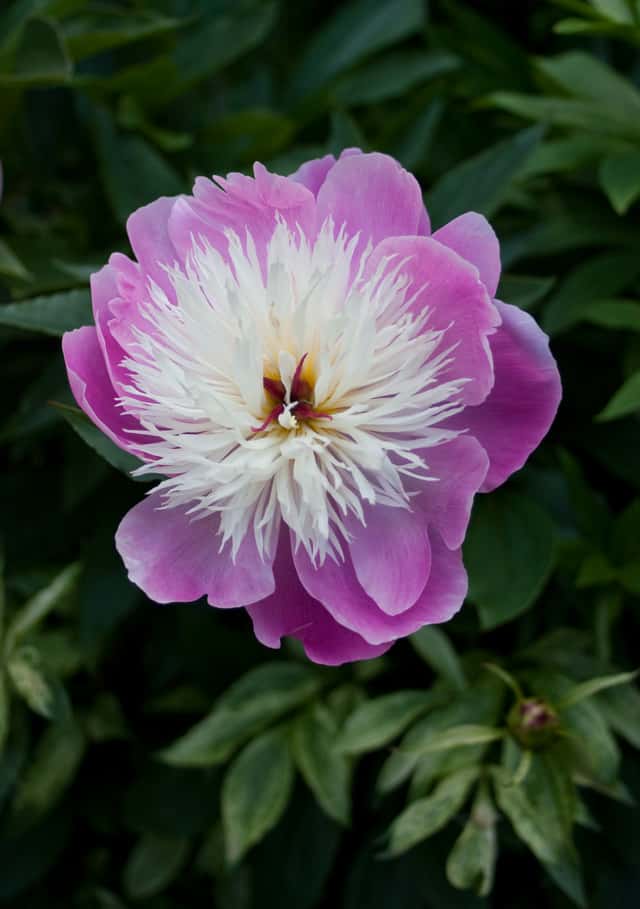
Chinese Peony (Paeonia lactiflora) is a medium-care plant from the Paeoniaceae family. Paeonia lactiflora, commonly known as the Chinese Peony or Common Garden Peony, is a herbaceous perennial native to China, Korea, and Mongolia. Celebrated for its enormous, fragrant blooms up to 25 cm across in shades of white, pink, red, and purple, it is one of the most beloved garden plants in th...
Chinese Peony grows up to 1.2m, spread of 90cm, watering every 8 days, -30°C – 25°C, 40–70% humidity. It is not suitable for indoor environments and not safe for pets.
Without precautions, ingestion can cause irritation in pets. Keep out of reach of cats and dogs.
How to Care for Chinese Peony?
TLDR: Chinese Peony needs Direct sun, watering every 8 days, and temperatures between -30-25°C with 40-70% humidity.
How Often Should You Water Chinese Peony?
Water every 7-10 days, keeping soil slightly moist. Avoid wetting foliage and flowers to prevent fungal disease. Reduce watering during winter dormancy.
How Much Light Does Chinese Peony Need?
Requires full sun — at least 6 to 8 hours of direct sunlight daily. In hot climates, light afternoon shade is tolerated.
What Is the Best Soil for Chinese Peony?
Prefers fertile, deep, well-draining soil rich in organic matter. Mix in coarse sand to improve drainage. Ideal pH: 6.5–7.5.
What Pot Should You Use for Chinese Peony?
Large, deep terracotta or ceramic pot with generous drainage holes. Best grown directly in garden soil for long-term performance.
Care Schedule
Fertilize
Every 90 days
What Is Chinese Peony and Where Does It Come From?
Paeonia lactiflora, commonly known as the Chinese Peony or Common Garden Peony, is a herbaceous perennial native to China, Korea, and Mongolia. Celebrated for its enormous, fragrant blooms up to 25 cm across in shades of white, pink, red, and purple, it is one of the most beloved garden plants in the world.
How to Propagate Chinese Peony?
Crown Division
Never plant too deep — eyes buried more than 5 cm rarely bloom. Sterilize all cutting tools before use.
- 1 Dig up the plant in fall after dormancy
- 2 Divide the root clump with a sharp knife, ensuring 3-5 eyes per division
- 3 Replant immediately with eyes no more than 3-5 cm deep
- 4 Water well and mark the planting spot
Materials needed:
Seed Sowing
Very slow method; division is strongly preferred for reliable results.
- 1 Collect fresh seeds and cold-stratify for 3 months
- 2 Sow in moist, well-draining seed mix
- 3 Keep in a cool location with consistent moisture
- 4 Transplant seedlings after 1 year
Materials needed:
How Big Does Chinese Peony Grow?
TLDR: Chinese Peony can reach up to 1.2m tall with Slow growth rate.
Max height
1.2m
Spread
90cm
Growth rate
Slow
Foliage
Deciduous
Warning: Toxic Plant
This plant can be toxic if ingested. Keep out of reach of:
Plant Uses
Ornamental
Great for decoration
Medicinal
Medicinal properties
Medicinal Uses
- Root used in Traditional Chinese Medicine for pain relief, inflammation, and menstrual disorders (professional use only)
Is your plant showing symptoms?
Click on the symptom to discover possible causes:
What Diseases Commonly Affect Chinese Peony?
TLDR: Chinese Peony is susceptible to 8 known diseases. Monitor regularly for early detection.
Gray Mold (Botrytis Blight)
Gray mold, caused by the fungus Botrytis cinerea, is one of the most common fungal diseases in plants. It affects over 200 plant species, including ornamentals, vegetables, fruits, and houseplants. The disease thrives in cool, humid conditions with poor air circulation, causing grayish spots and soft rot on infected tissues.
Powdery Mildew
Powdery mildew is a common fungal disease caused by various fungi species including Erysiphe, Podosphaera, Oïdium, and Leveillula. It affects over 10,000 plant species worldwide. The disease thrives in warm, dry climates with high humidity and appears as a distinctive white powdery coating on plant surfaces.
Root Rot
Root rot is a serious fungal disease that affects the root system of plants, causing them to decay and die. It is primarily caused by overwatering, poor drainage, or soil-borne fungi such as Pythium, Phytophthora, Rhizoctonia, and Fusarium. The disease thrives in waterlogged conditions where roots are deprived of oxygen, making them susceptible to fungal infection.
Fusarium Wilt
Fusarium wilt is a serious fungal disease caused by the soil-borne fungus Fusarium oxysporum. The fungus invades roots and blocks the water-conducting vessels (xylem) of the plant, causing progressive wilting and eventual death. Host-specific forms of the pathogen exist that attack different plant species.
Meaning & Symbolism
In Asian culture, symbolizes romance, prosperity, honor, and good fortune. Revered as the "Queen of Flowers" in China for over 2,500 years.
Fun Facts
Chinese Peony can live for over 100 years in the same spot without needing to be moved.
Known as "Sho Yu" in China, it has been cultivated for over 2,500 years as a symbol of prosperity.
Its giant blooms, up to 25 cm wide, attract ants that help open the flower buds.
Paeonol extracted from its roots is studied by modern medicine for anti-inflammatory properties.
Frequently asked questions
How often should I water Chinese Peony?
Is Chinese Peony toxic to cats and dogs?
Why is my peony not blooming?
When should I divide my peony?
Can Chinese Peony grow in a pot?
Compare with similar plants
| Attribute | Difficulty | Light | Watering | Pet Safe |
|---|---|---|---|---|
| Dark Fieldcap | Medium | Low light | 2d | ⚠️ |
| Azalea | Medium | Partial shade | 3d | ⚠️ |
| Muriel's Bamboo | Medium | Partial shade | 3d | ✓ |
| Bougainvillea | Medium | Direct sun | 7d | ⚠️ |




