Orobanchaceae
Eyebright: Edible Plant
Euphrasia officinalis
Eyebright is not a typical houseplant and is generally not recommended for pot cultivation because it requires a host plant—usually a grass—near its root system to survive. It thrives best in natural meadow plantings in full sun or light shade, in well-draining and nutrient-poor soil. The plant is an annual: it reproduces only from seeds and requires cold stratification (overwintering outdoors) to germinate.
Every 4 days
Bright indirect
5° - 25°C
50% - 75%
Categories
What is Eyebright?
Eyebright (Euphrasia officinalis) is a hard-care plant from the Orobanchaceae family. Eyebright (Euphrasia officinalis) is a small, annual meadow plant from the broomrape family (Orobanchaceae). It is a hemiparasite: its roots form haustoria that attach to the roots of nearby grasses and sedges to extract water and nutrients, although the plant also photosynthesizes on its own. The p...
Eyebright grows up to 30cm, spread of 15cm, watering every 4 days, 5°C – 25°C, 50–75% humidity. It is not suitable for indoor environments and safe for pets.
Unlike easy-care plants, Eyebright demands constant attention to humidity and light. Not recommended for beginners. Unlike many popular species, Eyebright is safe to keep around pets.
How to Care for Eyebright?
TLDR: Eyebright needs Bright indirect, watering every 4 days, and temperatures between 5-25°C with 50-75% humidity.
How Often Should You Water Eyebright?
Keep the growing medium consistently lightly moist but not wet—eyebright is sensitive to overwatering and root rot. Allow the surface soil to dry slightly between waterings.
How Much Light Does Eyebright Need?
Prefers full sun but also tolerates light shade. A few hours of direct sunlight per day promotes flowering.
What Is the Best Soil for Eyebright?
Requires well-draining, low-to-medium nutrient soil—nutrient-rich soil is not suitable for this meadow plant. Calcareous or alkaline soil is particularly suitable.
What Pot Should You Use for Eyebright?
Eyebright is not well-suited for traditional pot cultivation due to its hemiparasitic lifestyle. If container cultivation is attempted, a shallow, well-draining pot is needed where a host grass is grown simultaneously; however, success is uncertain.
What Is Eyebright and Where Does It Come From?
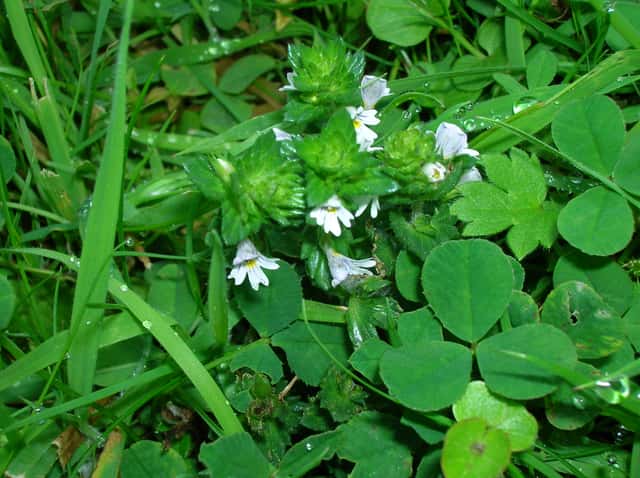
Eyebright (Euphrasia officinalis) is a small, annual meadow plant from the broomrape family (Orobanchaceae). It is a hemiparasite: its roots form haustoria that attach to the roots of nearby grasses and sedges to extract water and nutrients, although the plant also photosynthesizes on its own. The plant grows 10–30 cm tall, with opposite, oval, and serrated leaves. Small white flowers with violet stripes and a yellow spot on the lower lip bloom from July to September. Eyebright grows in meadows, pastures, and roadsides, and has declined significantly in Finland due to the reduction of traditional mowing and grazing practices.
How to Propagate Eyebright?
Sowing seeds among host grass
- Success depends on the presence of a suitable host grass—best results are obtained in nutrient-poor, calcareous meadows.
- Do not attempt to grow eyebright alone without host plants; it is unlikely to survive.
- 1 Substrate preparation
Mow or graze the meadow or lawn area very short so that the seeds can come into contact with the soil and the roots of the host grass.
- 2 Sowing
Sow the fine seeds on the surface between August and December; do not cover them with soil as they require light to germinate.
- 3 Overwintering
Allow the seeds to cold stratify naturally outdoors over winter; germination occurs in the spring as temperatures rise.
- 4 Maintenance
Keep the area lightly moist and do not fertilize—excess nutrients interfere with the host relationship and the plant's natural growth habit.
Materials needed:
How Big Does Eyebright Grow?
TLDR: Eyebright can reach up to 30cm tall with Medium growth rate.
Max height
30cm
Spread
15cm
Growth rate
Medium
Foliage
Deciduous
Plant Uses
Medicinal
Medicinal properties
Edible
Can be consumed
Ornamental
Great for decoration
Medicinal Uses
- Traditionally used to treat eye infections, conjunctivitis, and tired eyes as a cold eye wash or compress
- Used in folk medicine to relieve symptoms of colds, hay fever, and sinusitis as a tea or tincture
- Contains tannins, iridoids, and flavonoids, which are believed to explain its astringent and anti-inflammatory effects
Culinary Uses
- Young leaves have occasionally been used raw in salads for their mildly bitter taste, but culinary use is rare
Is your plant showing symptoms?
Click on the symptom to discover possible causes:
What Diseases Commonly Affect Eyebright?
TLDR: Eyebright is susceptible to 4 known diseases. Monitor regularly for early detection.
Powdery Mildew
Powdery mildew is a common fungal disease caused by various fungi species including Erysiphe, Podosphaera, Oïdium, and Leveillula. It affects over 10,000 plant species worldwide. The disease thrives in warm, dry climates with high humidity and appears as a distinctive white powdery coating on plant surfaces.
Aphids
Aphids are small, soft-bodied, pear-shaped insects (1/16 to 1/8 inch long) that feed by sucking nutrient-rich sap from plants. They reproduce rapidly and can quickly weaken plants, causing distorted growth and transmitting plant viruses. Aphids come in various colors including green, black, red, yellow, brown, and gray. They secrete honeydew, a sticky substance that attracts ants and encourages sooty mold growth.
Flea beetle damage
Flea beetles are small, jumping insects that feed on the leaves of many vegetable crops. They chew numerous small, circular holes, creating a characteristic 'shothole' appearance. While established plants can often tolerate the damage, young seedlings are highly susceptible and can be stunted or killed if the infestation is severe.
Root Rot
Root rot is a serious fungal disease that affects the root system of plants, causing them to decay and die. It is primarily caused by overwatering, poor drainage, or soil-borne fungi such as Pythium, Phytophthora, Rhizoctonia, and Fusarium. The disease thrives in waterlogged conditions where roots are deprived of oxygen, making them susceptible to fungal infection.
Meaning & Symbolism
The name Euphrasia is derived from the name of the Greek goddess of joy, Euphrosyne. In the Middle Ages, the plant was burned as incense to induce clairvoyance, and its common name 'eyebright' refers to the traditional belief in the plant's ability to clear the vision and brighten the eyes.
Compare with similar plants
| Attribute | Difficulty | Light | Watering | Pet Safe |
|---|---|---|---|---|
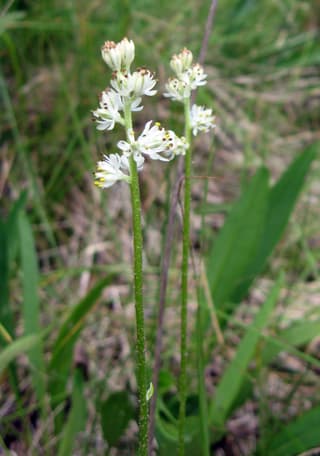
| Sticky false asphodel | Hard | Bright indirect | 1d | ✓ |
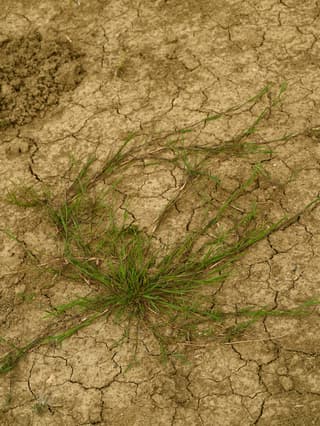
| Creeping bentgrass | Hard | Direct sun | 3d | ✓ |
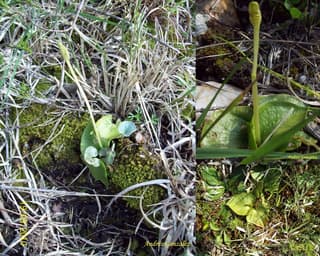
| Bulbous Adder's-tongue | Hard | Partial shade | 4d | ✓ |
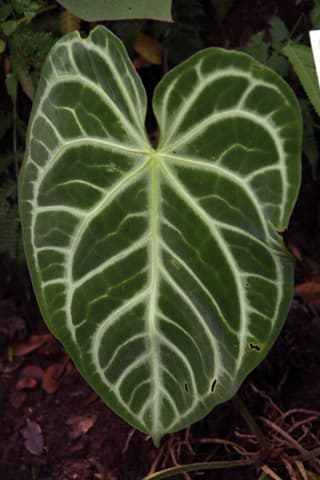
| Crystal Anthurium | Hard | Partial shade | 7d | ⚠️ |
Choose & Compare
Sources & References
- Euphrasia officinalis - PFAF Plant Database
- Euphrasia officinalis - Practical Plants
- Ahosilmäruoho – Wikipedia
- Eufrasia (Euphrasia officinalis): Properties and Uses of the Plant
- How To Grow Euphrasia officinalis | EarthOne
- Common Eyebright – Grow & Use in Northern Gardens
- Euphrasia L. - Eyebright | Botanikks