500 Best Plants for Battle Creek | 2026 Guide - Page 10
Discover the 500 ideal plants for Battle Creek's climate. Average temp: 10.5°C, Humidity: 71.7%.
Top 500 Plants for Battle Creek
Showing 325-360 of 500
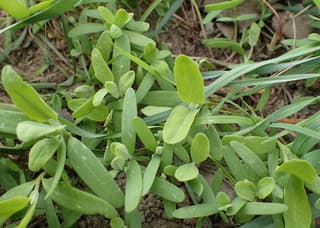
Common Orache
Atriplex patula
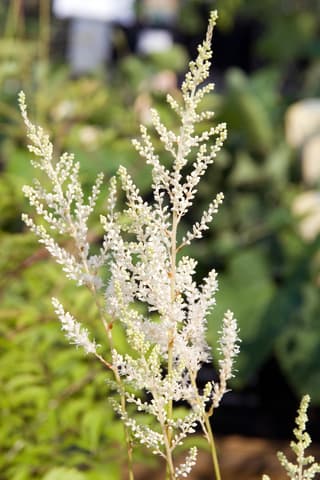
Japanese Astilbe
Astilbe japonica
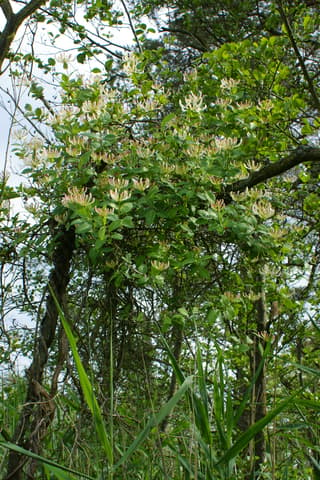
European Honeysuckle
Lonicera periclymenum
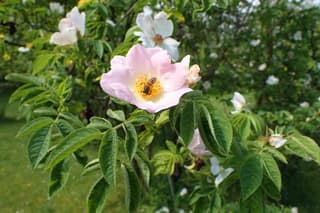
Corymb rose
Rosa corymbifera
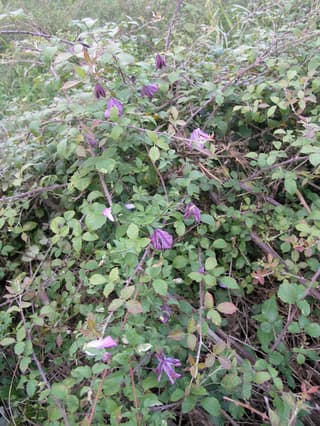
Italian Clematis
Clematis viticella
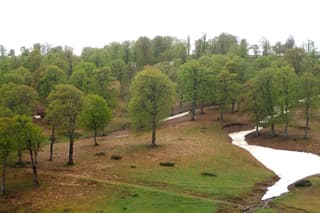
Oriental Beech
Fagus orientalis
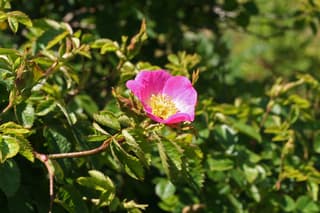
Sweet Briar
Rosa rubiginosa
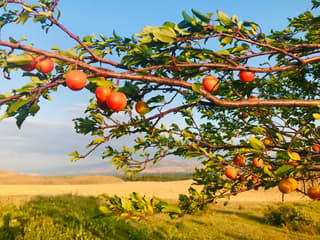
European Plum
Prunus domestica
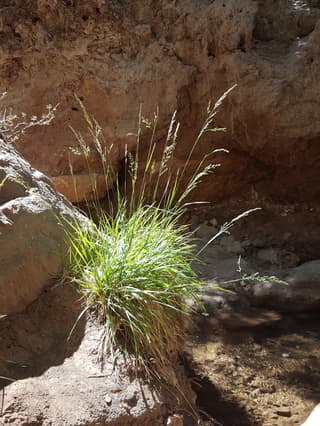
Tall Fescue
Lolium arundinaceum
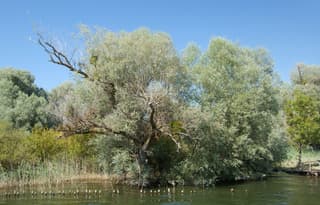
Willow
Salix
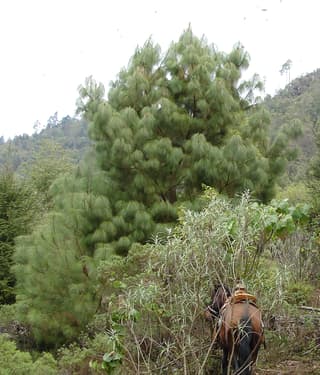
Smooth-bark Mexican Pine
Pinus pseudostrobus
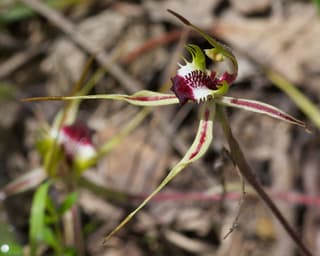
Small Spider-orchid
Caladenia parva
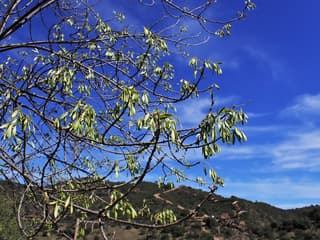
Narrow-leaved Ash
Fraxinus angustifolia
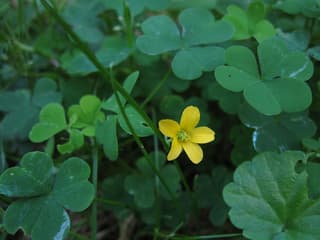
Common Yellow Woodsorrel
Oxalis stricta
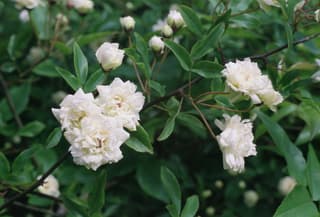
Lady Banks' Rose
Rosa banksiae
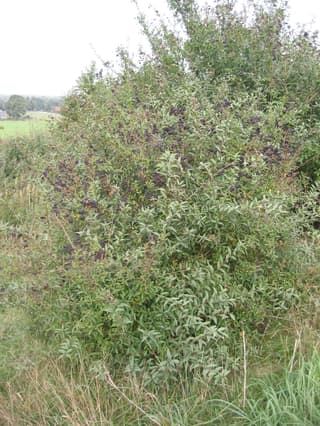
Common Privet
Ligustrum vulgare
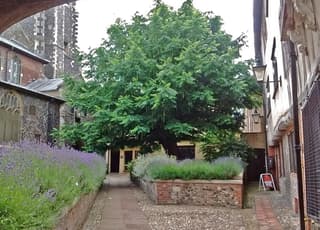
Caucasian Wingnut
Pterocarya fraxinifolia
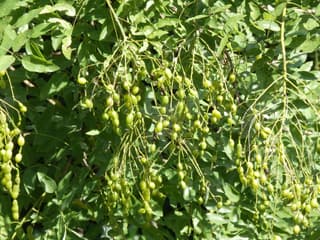
Japanese Pagoda Tree
Styphnolobium japonicum
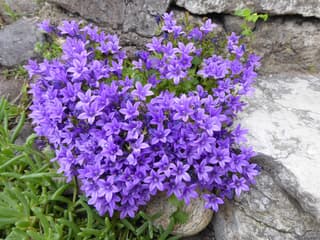
Dalmatian Bellflower
Campanula portenschlagiana
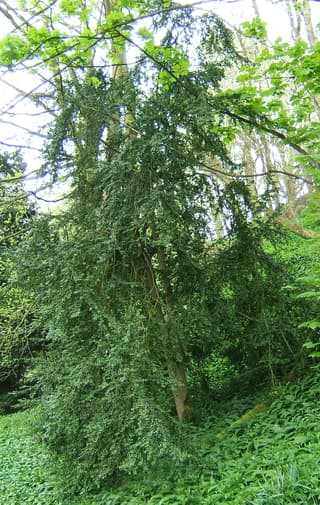
Common boxwood
Buxus sempervirens
Speedwell
Veronica
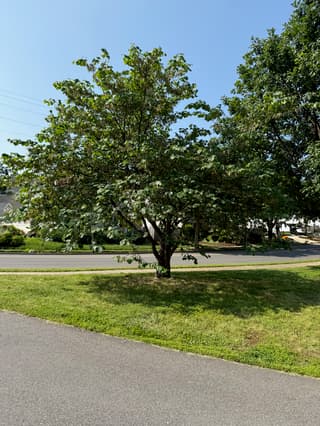
Eastern Redbud
Cercis canadensis
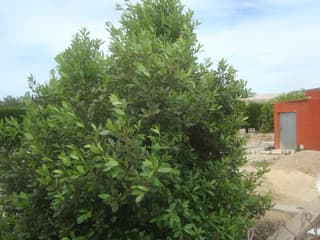
Bay Laurel
Laurus nobilis
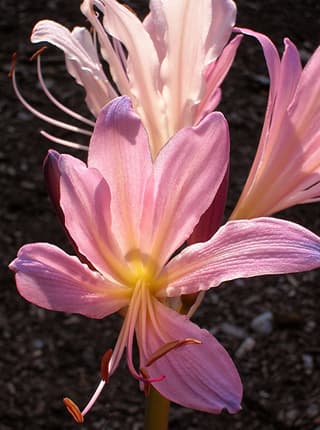
Resurrection lily
Lycoris squamigera
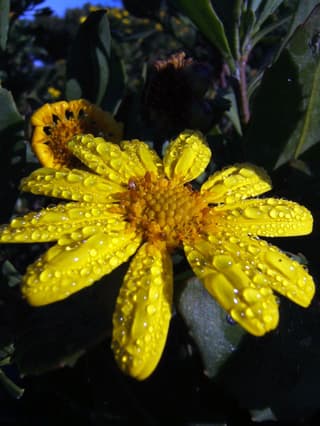
Bietou
Osteospermum moniliferum
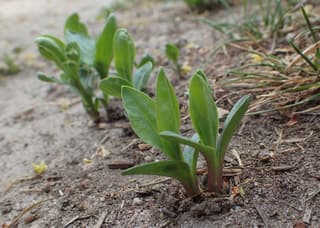
Soapwort
Saponaria officinalis
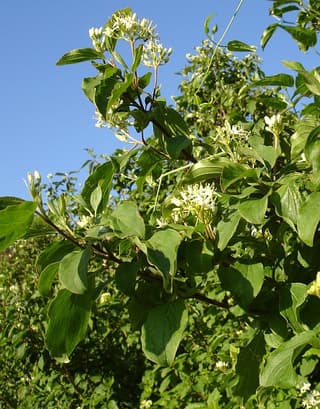
Dogwood
Cornus
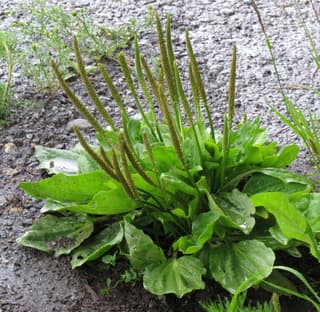
Broadleaf Plantain
Plantago major
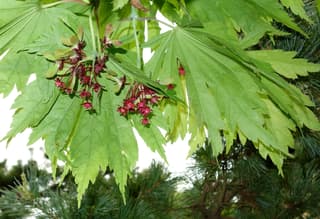
Fullmoon Maple
Acer japonicum
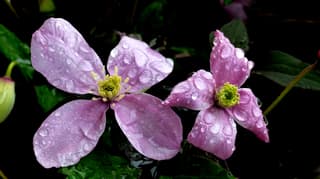
Anemone Clematis
Clematis montana
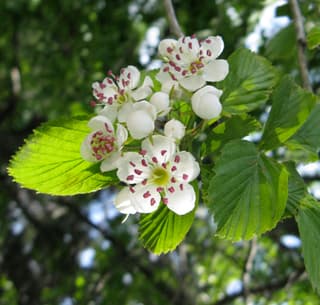
Dotted Hawthorn
Crataegus punctata
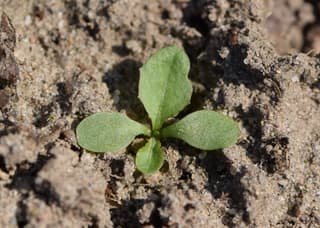
Autumn Hawkbit
Scorzoneroides autumnalis
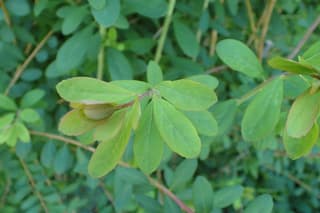
Japanese Spiraea
Spiraea japonica
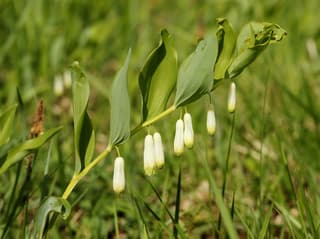
Fragrant Solomon's Seal
Polygonatum odoratum
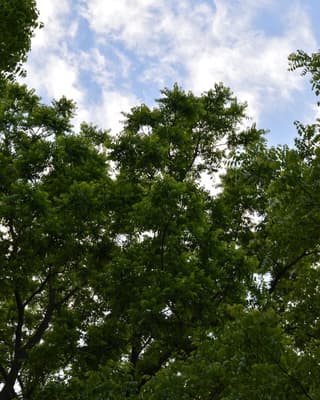
Eastern Black Walnut
Juglans nigra
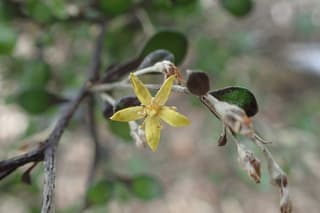
Wire-netting Bush
Corokia cotoneaster
Battle Creek Climate for Plant Growing
Battle Creek has a climate with an average annual temperature of 10.5°C and average relative humidity of 71.7%. These climate conditions are ideal for various species of ornamental and fruit plants.
Tips for Growing Plants in Battle Creek
To succeed in growing plants in Battle Creek, consider the average temperature of 10.5°C when choosing your species. Protect cold-sensitive plants during winter. High humidity favors tropical plants, but watch for fungal issues.
Why Choose Plants Adapted to the Local Climate?
Plants adapted to Battle Creek's climate require less care, consume less water, and are more likely to thrive. Our selection considers the compatibility between each species' needs and local climate conditions, including temperature (10.5°C) and humidity (71.7%).