Orchidaceae
Small Spider-orchid: Pet-Safe Plant
Caladenia parva
A species for specialized cultivation, not recommended for beginners. It follows an annual cycle: actively growing from autumn to spring in cool, moist conditions, then entering dormancy as a tuber during the hot, dry summer. It requires a very well-drained substrate, partial shade, and careful watering—waterlogging during dormancy is the main cause of plant loss.
Every 10 days
Partial shade
0° - 25°C
40% - 70%
Categories
What is Small Spider-orchid?
Small Spider-orchid (Caladenia parva) is a hard-care plant from the Orchidaceae family. Caladenia parva is a small terrestrial orchid endemic to southeastern Australia, found in scattered areas of southern Victoria and the far southeast of South Australia. It is a deciduous perennial herb with a single underground tuber and a single narrow leaf 3 to 10 cm long, usually with small red s...
Small Spider-orchid grows up to 15cm, spread of 10cm, watering every 10 days, 0°C – 25°C, 40–70% humidity. It is not suitable for indoor environments and safe for pets.
Unlike easy-care plants, Small Spider-orchid demands constant attention to humidity and light. Not recommended for beginners. Unlike many popular species, Small Spider-orchid is safe to keep around pets.
How to Care for Small Spider-orchid?
TLDR: Small Spider-orchid needs Partial shade, watering every 10 days, and temperatures between 0-25°C with 40-70% humidity.
How Often Should You Water Small Spider-orchid?
Water moderately only during the active growth phase (autumn to spring), keeping the substrate slightly moist but never waterlogged. Suspend watering completely when the leaf withers and the plant enters summer dormancy—the tuber must remain dry to prevent rot.
How Much Light Does Small Spider-orchid Need?
Prefer protected partial shade with about 50% light, mimicking the open forest and woodland understory where the species naturally occurs. Avoid full, direct sun.
What Is the Best Soil for Small Spider-orchid?
Use a well-drained substrate with a good proportion of coarse sand and slow-decomposing organic matter (e.g., half native potting mix + half sand). The soil should drain quickly but retain some moisture without becoming waterlogged.
What Pot Should You Use for Small Spider-orchid?
Shallow, wide pots with good drainage (large holes), allowing horizontal space for the tuber. A fine mesh at the bottom helps prevent pests that damage roots and tubers from entering.
Care Schedule
Repot
Every 365 days
What Is Small Spider-orchid and Where Does It Come From?
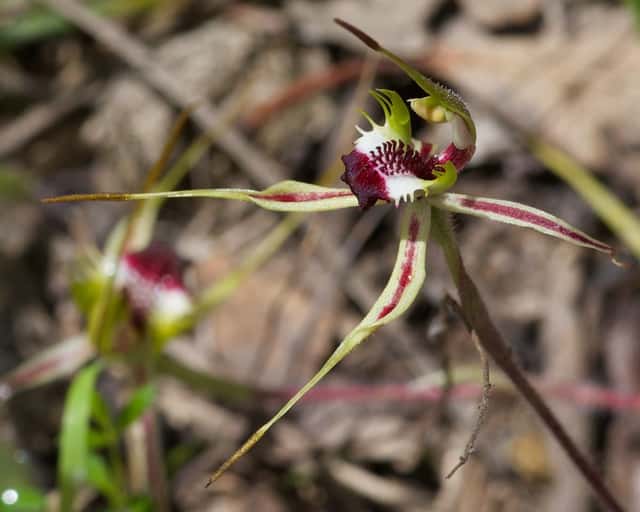
Caladenia parva is a small terrestrial orchid endemic to southeastern Australia, found in scattered areas of southern Victoria and the far southeast of South Australia. It is a deciduous perennial herb with a single underground tuber and a single narrow leaf 3 to 10 cm long, usually with small red spots at the base. Between September and November (southern spring), it produces one or two greenish flowers with red stripes on a 5 to 15 cm stem, featuring a greenish-white labellum with a curled dark red tip. It grows in open forests, woodlands, and coastal vegetation in well-drained sandy-clay soils.
How Big Does Small Spider-orchid Grow?
TLDR: Small Spider-orchid can reach up to 15cm tall with Slow growth rate.
Max height
15cm
Spread
10cm
Growth rate
Slow
Foliage
Deciduous
Plant Uses
Ornamental
Great for decoration
Is your plant showing symptoms?
Click on the symptom to discover possible causes:
What Diseases Commonly Affect Small Spider-orchid?
TLDR: Small Spider-orchid is susceptible to 5 known diseases. Monitor regularly for early detection.
Root Rot
Root rot is a serious fungal disease that affects the root system of plants, causing them to decay and die. It is primarily caused by overwatering, poor drainage, or soil-borne fungi such as Pythium, Phytophthora, Rhizoctonia, and Fusarium. The disease thrives in waterlogged conditions where roots are deprived of oxygen, making them susceptible to fungal infection.
Overwatering
Overwatering occurs when plants receive too much water, depriving roots of oxygen and causing root rot. This environmental stress is one of the most common causes of houseplant death, as waterlogged soil prevents roots from breathing and functioning properly.
Damping Off
Damping off is a soil-borne fungal disease that affects seeds and young seedlings, causing rotting of stem and root tissues at and below the soil line. It is caused by several fungi including Pythium, Rhizoctonia, Fusarium, and Phytophthora. The disease thrives in cold, wet conditions with poor air circulation.
Phytophthora Root Rot
The Phytophthora genus consists of soil-borne oomycetes (water molds) that act as plant pathogens, primarily affecting trees and woody plants. It typically spreads through the root system, leading to systemic decline and eventual plant collapse.
Meaning & Symbolism
As a rare and discreet terrestrial orchid from southern Australia, Caladenia parva symbolizes humility and quiet resilience—it blooms briefly in spring and spends most of the year hidden underground, reminding us that growth is not always visible.
Compare with similar plants
| Attribute | Difficulty | Light | Watering | Pet Safe |
|---|---|---|---|---|
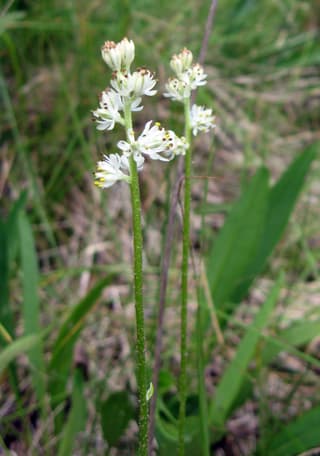
| Sticky false asphodel | Hard | Bright indirect | 1d | ✓ |
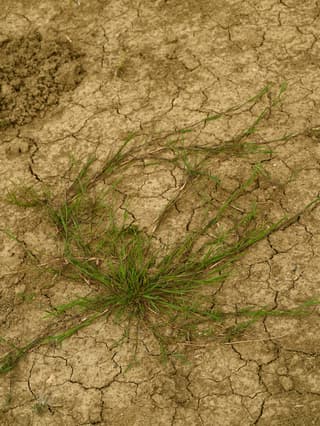
| Creeping bentgrass | Hard | Direct sun | 3d | ✓ |
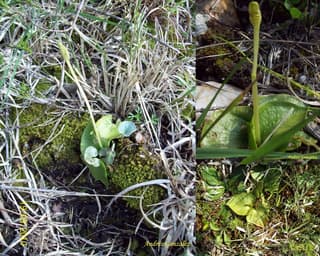
| Bulbous Adder's-tongue | Hard | Partial shade | 4d | ✓ |
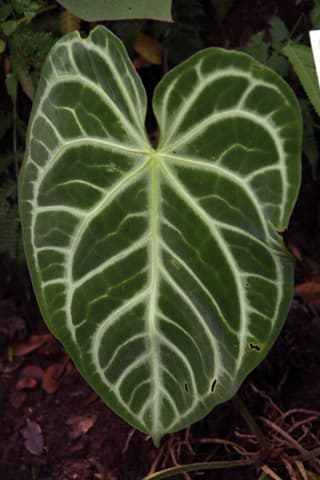
| Crystal Anthurium | Hard | Partial shade | 7d | ⚠️ |