500 Best Plants for Caxias do Sul | 2026 Guide - Page 8
Discover the 500 ideal plants for Caxias do Sul's climate. Average temp: 16.9°C, Humidity: 81.9%.
Top 500 Plants for Caxias do Sul
Showing 253-288 of 500
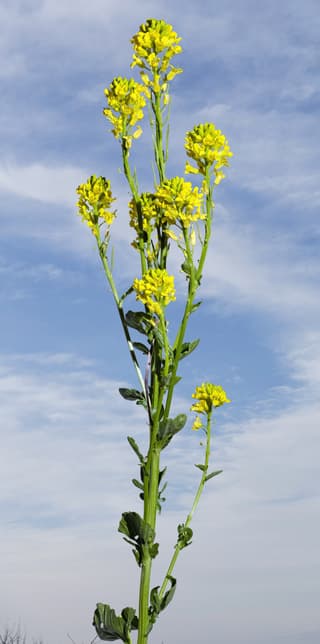
Wintercress
Barbarea vulgaris
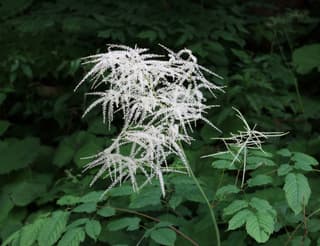
Goat's Beard
Aruncus dioicus
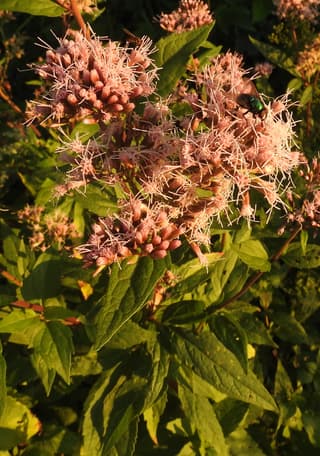
Boneset
Eupatorium
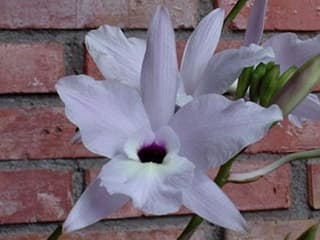
Rosy Tinted Laelia
Laelia rubescens
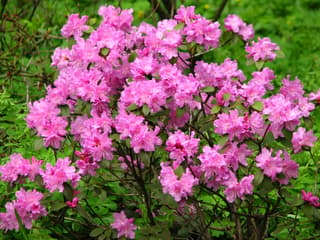
Rhododendron
Rhododendron
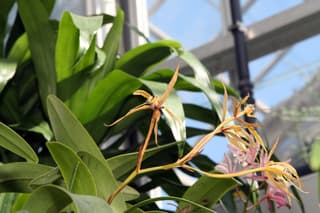
Fringed Star Orchid
Epidendrum ciliare
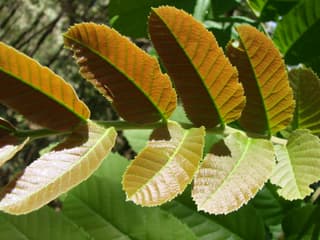
Camboata Tree
Cupania
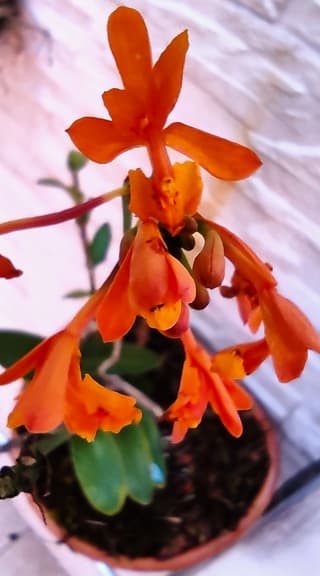
Beach Crucifix Orchid
Epidendrum fulgens
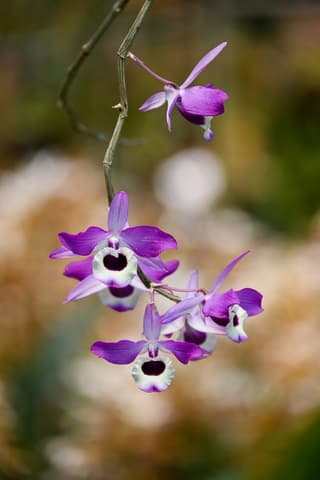
Dendrobium Orchid (genus)
Dendrobium
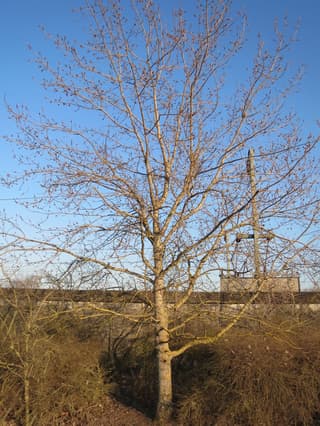
Poplar
Populus
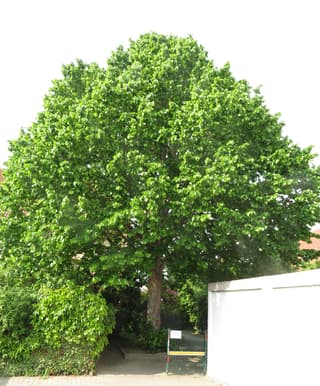
Common Hazel
Corylus avellana
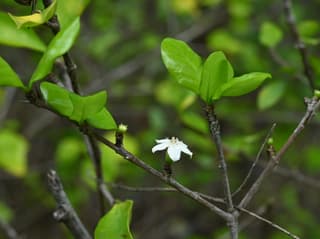
White Indigoberry
Randia aculeata
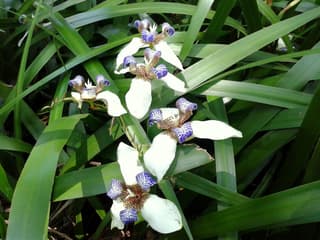
White Walking Iris
Neomarica candida

Silver Birch
Betula pendula
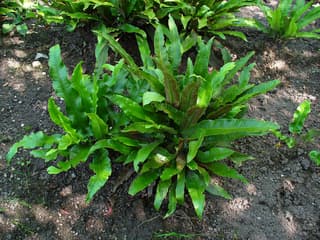
Hart's-tongue Fern
Asplenium scolopendrium
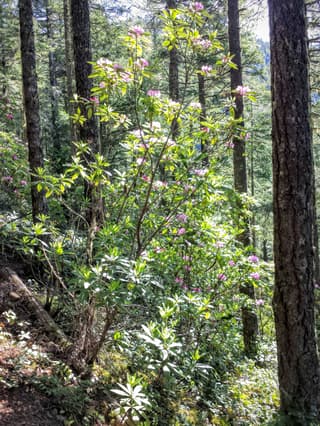
Pacific Rhododendron
Rhododendron macrophyllum
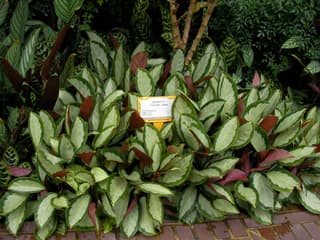
Calathea Picturata
Goeppertia picturata
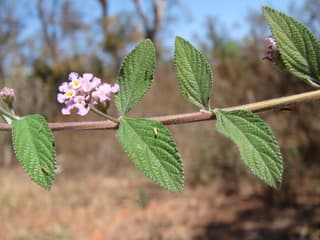
Bushy Lippia
Lippia alba
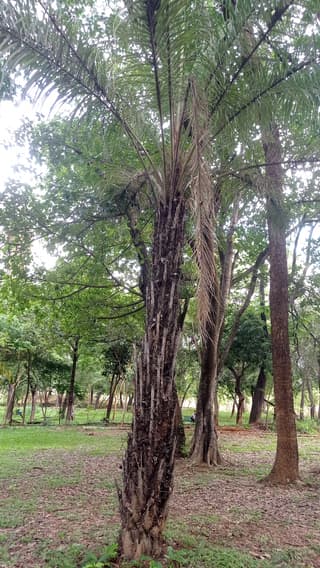
Macaw Palm
Acrocomia aculeata
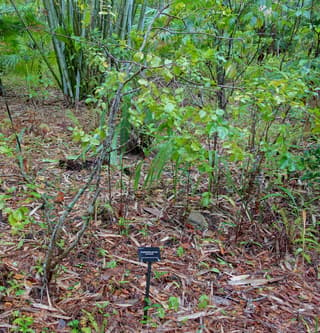
Black Ironwood
Krugiodendron ferreum
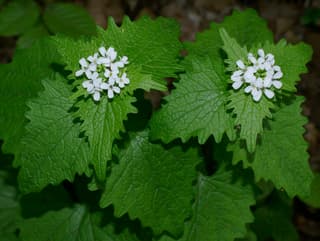
Garlic Mustard
Alliaria petiolata
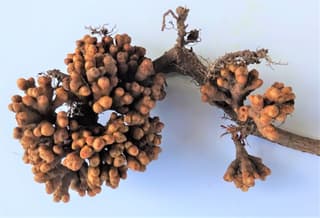
Alder
Alnus
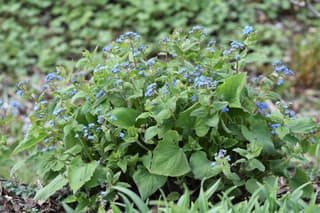
Siberian Bugloss
Brunnera macrophylla
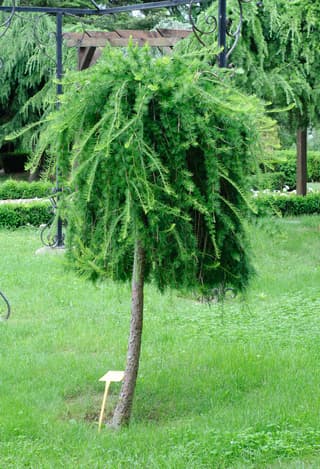
European Larch
Larix decidua
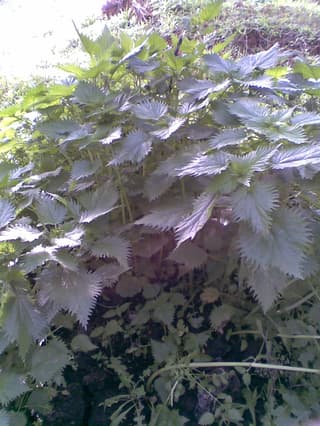
Stinging Nettle
Urtica dioica
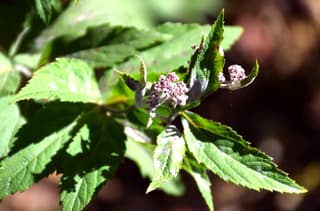
Willowleaf Spiraea
Spiraea salicifolia
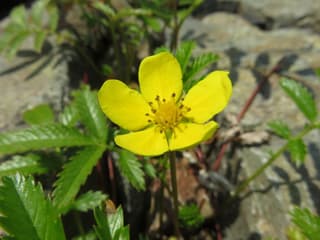
Silverweed
Argentina anserina
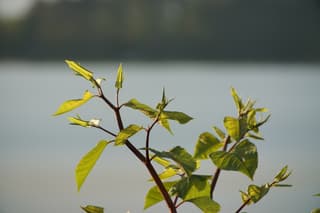
Knotweed
Reynoutria
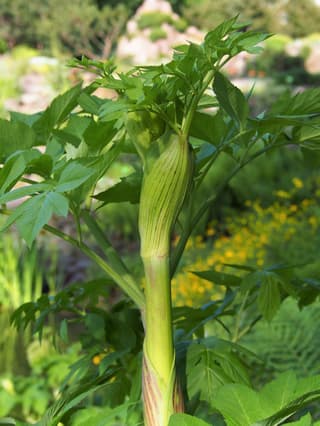
Angelica
Angelica
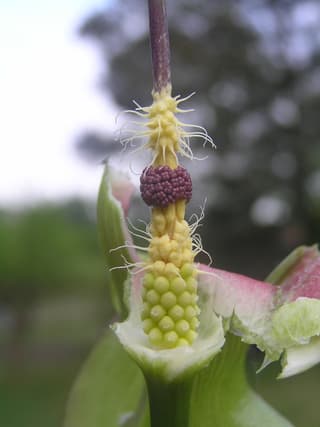
Danish Arum
Arum cylindraceum
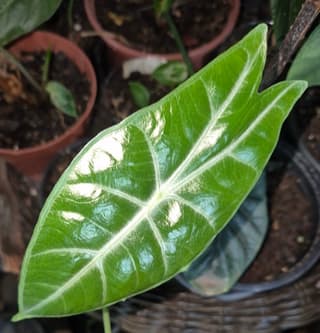
Dragon Scale Alocasia
Alocasia longiloba
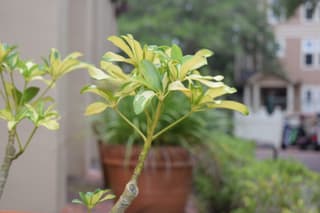
Umbrella Tree
Heptapleurum
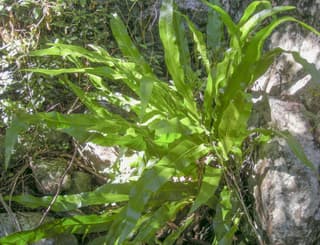
Fishtail Fern
Microsorum punctatum
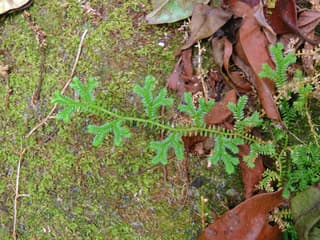
Spikemoss
Selaginella
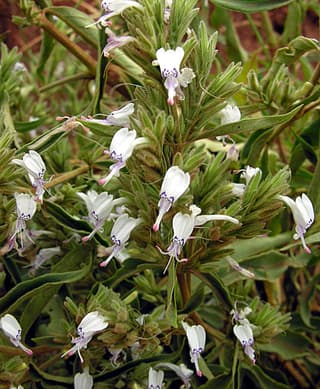
White Ribbon Bush
Hypoestes forskaolii
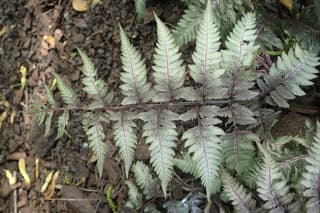
Japanese Painted Fern
Athyrium niponicum
Caxias do Sul Climate for Plant Growing
Caxias do Sul has a climate with an average annual temperature of 16.9°C and average relative humidity of 81.9%. These climate conditions are ideal for various species of ornamental and fruit plants.
Tips for Growing Plants in Caxias do Sul
To succeed in growing plants in Caxias do Sul, consider the average temperature of 16.9°C when choosing your species. Protect cold-sensitive plants during winter. High humidity favors tropical plants, but watch for fungal issues.
Why Choose Plants Adapted to the Local Climate?
Plants adapted to Caxias do Sul's climate require less care, consume less water, and are more likely to thrive. Our selection considers the compatibility between each species' needs and local climate conditions, including temperature (16.9°C) and humidity (81.9%).