500 Best Plants for Chapada dos Guimarães | 2026 Guide - Page 6
Discover the 500 ideal plants for Chapada dos Guimarães's climate. Average temp: 26.2°C, Humidity: 69.1%.
Top 500 Plants for Chapada dos Guimarães
Showing 181-216 of 500
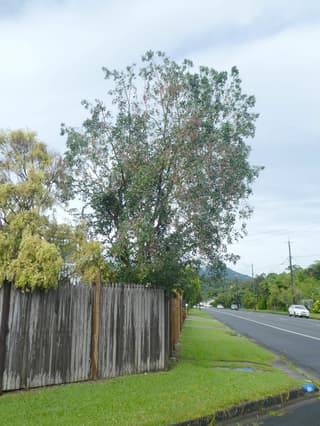
Brush Cherry
Eugenia myrtifolia
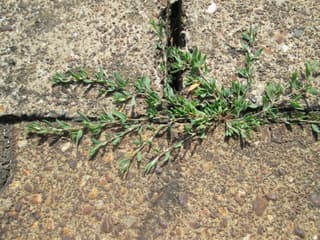
Oval-leaf Knotweed
Polygonum arenastrum
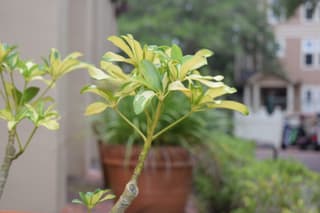
Umbrella Tree
Heptapleurum
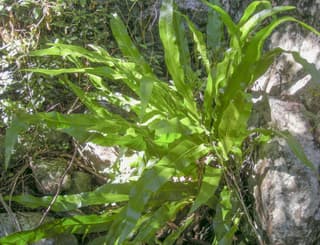
Fishtail Fern
Microsorum punctatum
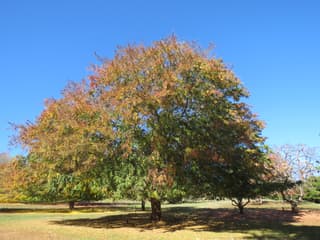
Chinese Elm
Ulmus parvifolia

Areca palm
Chrysalidocarpus lutescens
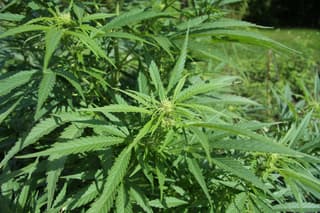
Hemp
Cannabis sativa
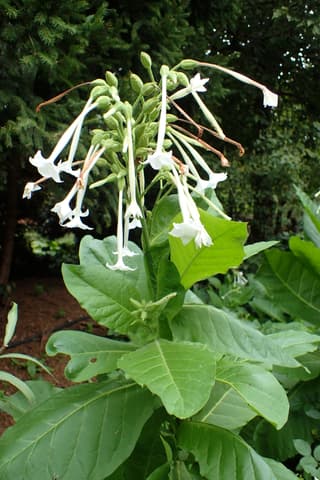
Woodland Tobacco
Nicotiana sylvestris
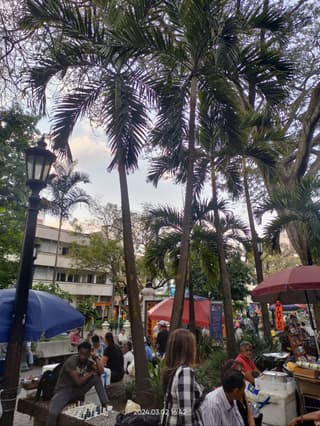
Dypsis Palm
Dypsis
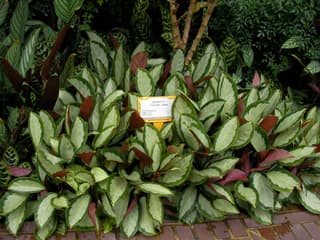
Calathea Picturata
Goeppertia picturata
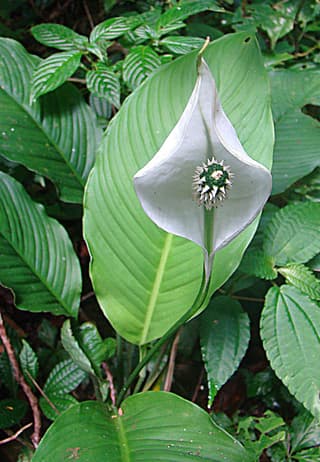
Peace Lily
Spathiphyllum wendlandii
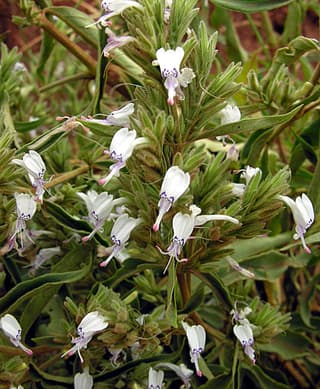
White Ribbon Bush
Hypoestes forskaolii
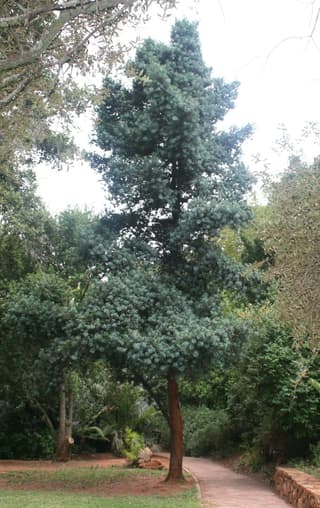
Breede River Yellowwood
Podocarpus elongatus
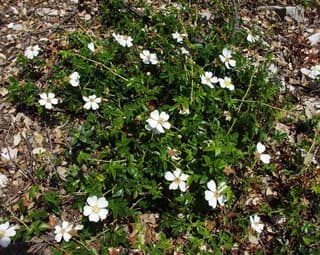
Evergreen Rose
Rosa sempervirens
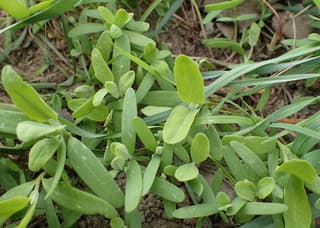
Common Orache
Atriplex patula
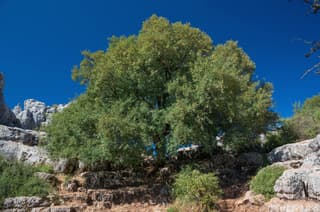
Montpellier maple
Acer monspessulanum
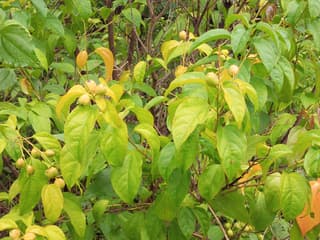
Croton
Croton
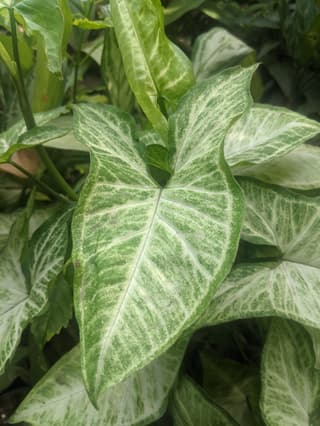
Arrowhead Vines
Syngonium
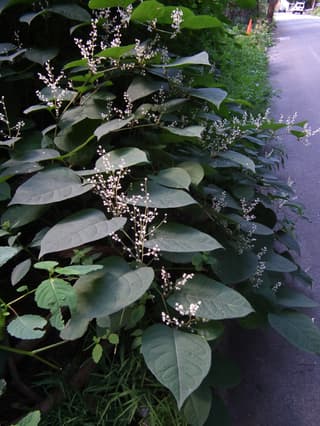
Bohemian knotweed
Reynoutria × bohemica
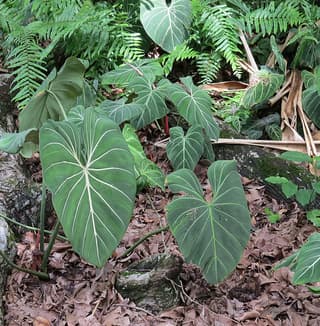
Philodendron Gloriosum
Philodendron gloriosum
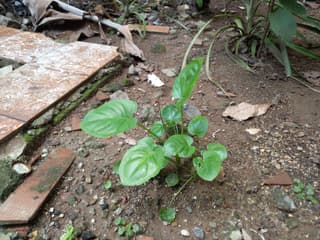
Typhonium
Typhonium
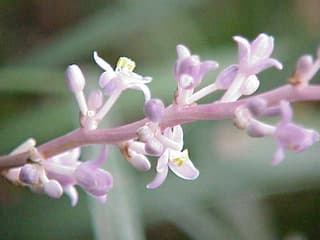
White Lilyturf
Ophiopogon jaburan
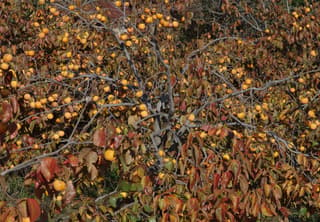
Japanese Persimmon
Diospyros kaki

Rougeplant
Rivina humilis
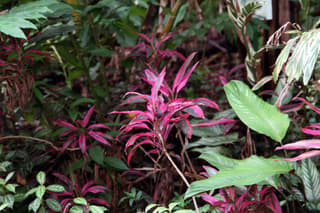
Ti Plant
Cordyline terminalis
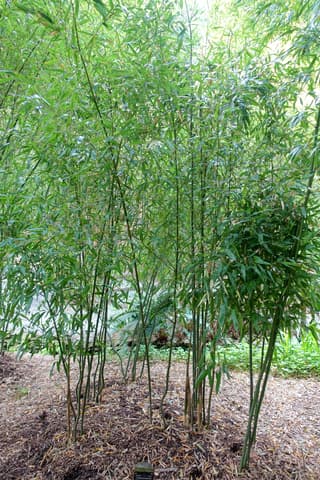
Yellow Groove Bamboo
Phyllostachys aureosulcata
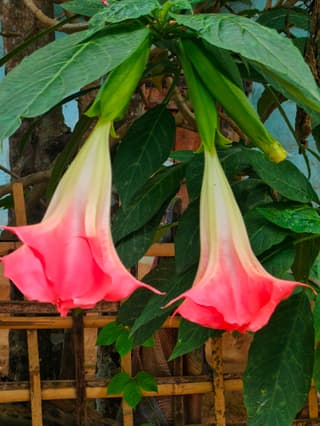
Angel's Trumpet
Brugmansia
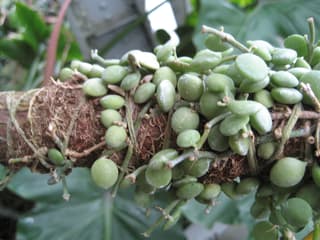
String of Nickels
Dischidia nummularia
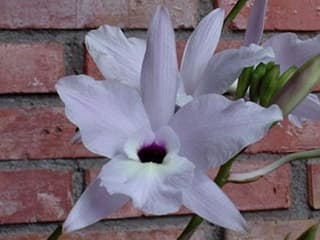
Rosy Tinted Laelia
Laelia rubescens
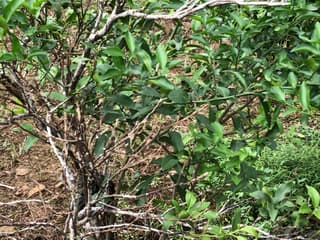
Kumquat
Citrus japonica
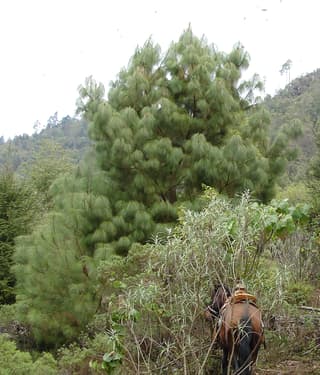
Smooth-bark Mexican Pine
Pinus pseudostrobus
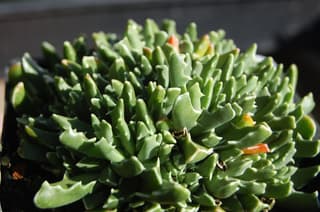
Tiger's Jaws
Faucaria bosscheana
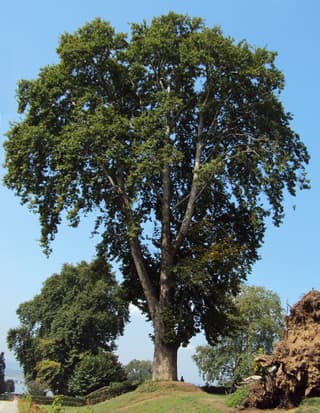
Plane Tree
Platanus
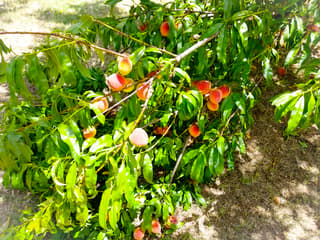
Peach Tree
Prunus persica
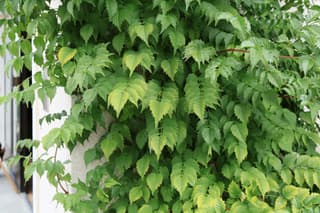
Trumpet Vine
Campsis × tagliabuana
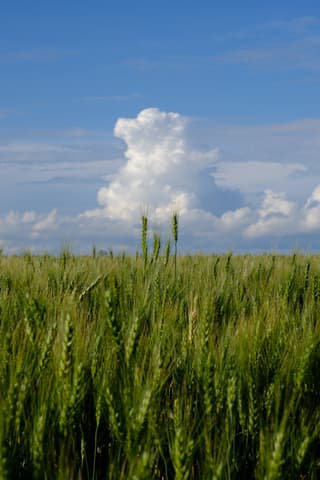
Common wheat
Triticum aestivum
Chapada dos Guimarães Climate for Plant Growing
Chapada dos Guimarães has a climate with an average annual temperature of 26.2°C and average relative humidity of 69.1%. These climate conditions are ideal for various species of ornamental and fruit plants.
Tips for Growing Plants in Chapada dos Guimarães
To succeed in growing plants in Chapada dos Guimarães, consider the average temperature of 26.2°C when choosing your species. On very hot days, protect plants from direct sun during the most intense hours. Moderate humidity is ideal for most plants.
Why Choose Plants Adapted to the Local Climate?
Plants adapted to Chapada dos Guimarães's climate require less care, consume less water, and are more likely to thrive. Our selection considers the compatibility between each species' needs and local climate conditions, including temperature (26.2°C) and humidity (69.1%).