297 Best Succulents for Crotone | 2026 Guide - Page 5
The 297 best succulents to grow in Crotone. Ideal climate: 18.5°C, 66.7% humidity.
297 Succulents for Crotone
Showing 145-180 of 297
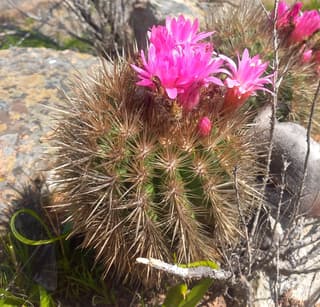
Chilean Pink Cactus
Eriosyce subgibbosa

Chin Cactus
Gymnocalycium
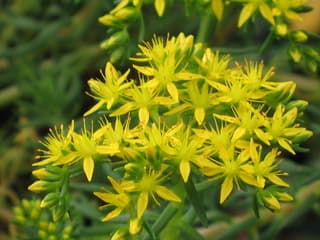
Mexican Stonecrop
Sedum mexicanum

Chenille Plant
Echeveria pulvinata

Sim's Aeonium
Aeonium simsii

Gray Ghost Organ Pipe Cactus
Stenocereus pruinosus

Powder Puff Cactus
Mammillaria bocasana
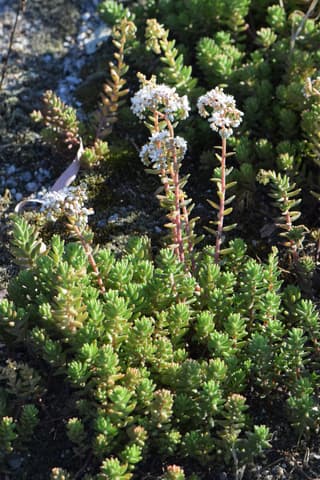
White Stonecrop
Sedum album
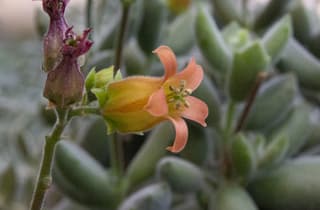
Bear's Paw
Cotyledon tomentosa
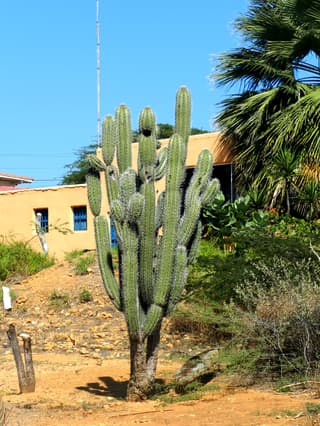
Peruvian Apple Cactus
Cereus repandus
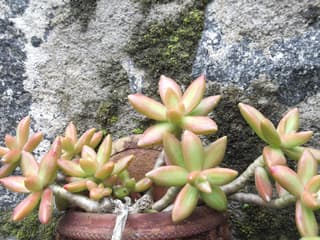
Golden Sedum
Sedum adolphii
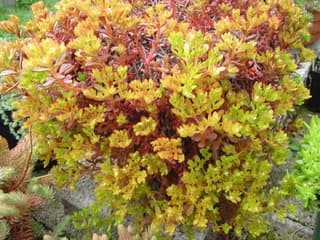
Japanese Stonecrop
Sedum makinoi
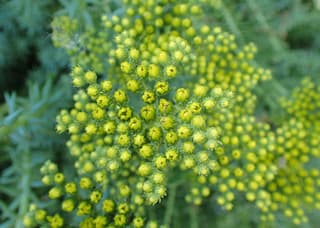
Blue Stonecrop
Petrosedum rupestre
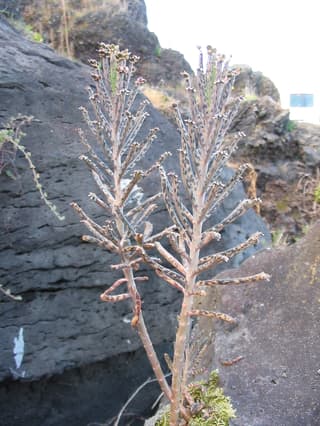
Mother of Millions
Kalanchoe delagoensis
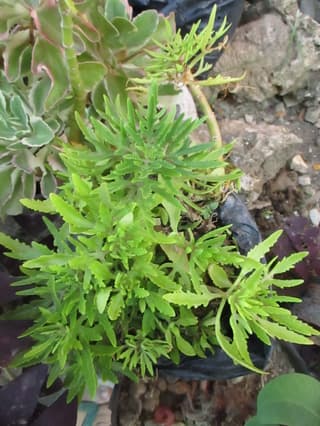
Horned-leaf Kalanchoe
Kalanchoe ceratophylla
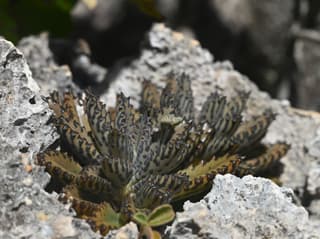
Mother of Millions Hybrid
Kalanchoe × houghtonii
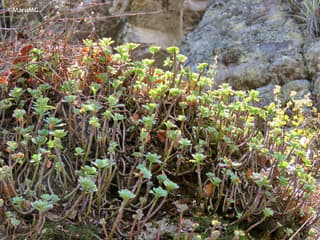
Palmer's Sedum
Sedum palmeri
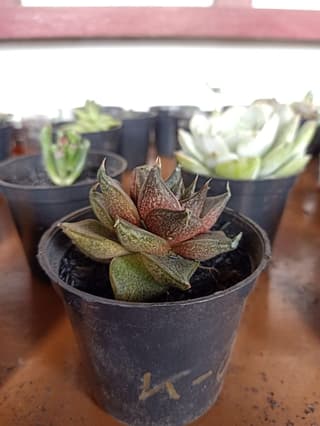
Purpus's Echeveria
Echeveria purpusorum
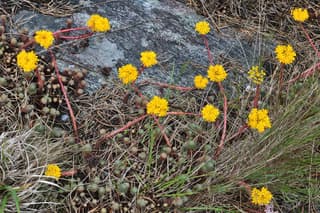
Rock Stonecrop
Petrosedum forsterianum
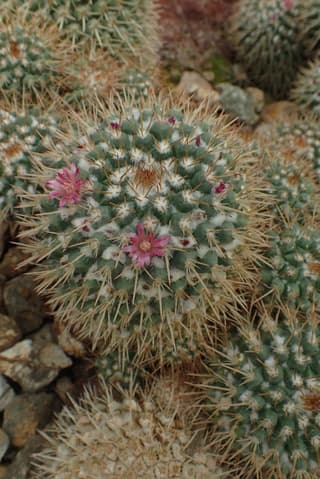
Backeberg's Pincushion Cactus
Mammillaria backebergiana
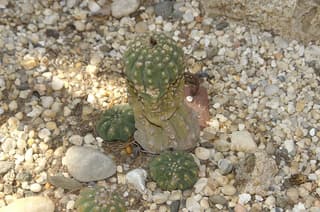
Madison Cactus
Matucana madisoniorum
Chinese jade
Sinocrassula yunnanensis

Blue Spruce Stonecrop
Sedum reflexum
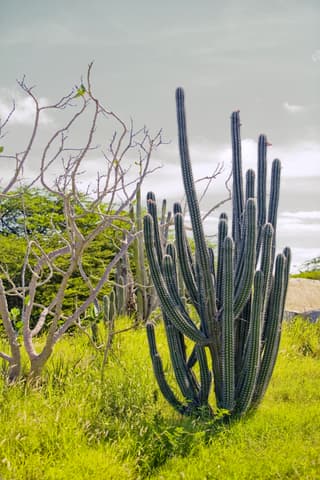
Mexican Organ Pipe Cactus
Stenocereus griseus
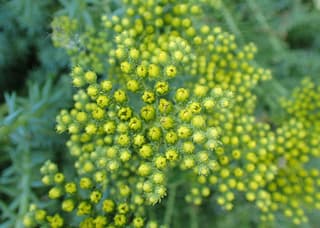
Stonecrop
Petrosedum
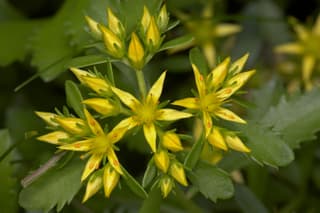
Orange Stonecrop
Sedum kamtschaticum
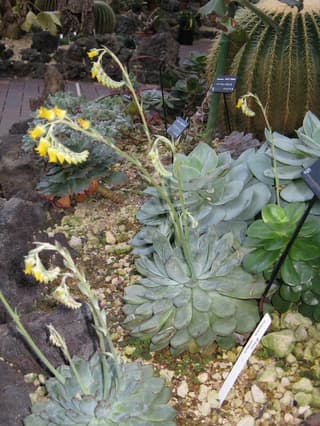
Pulido's Echeveria
Echeveria pulidonis
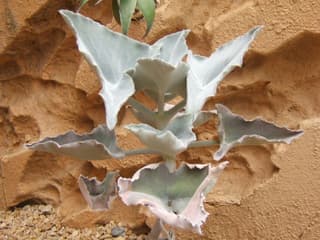
Velvet Elephant Ear
Kalanchoe beharensis
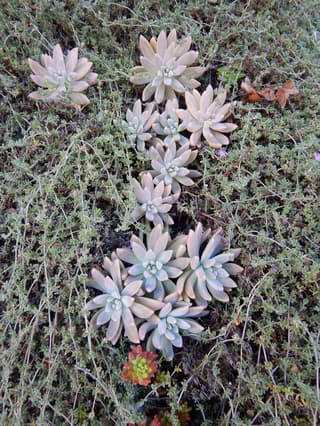
Graptosedum
Graptosedum
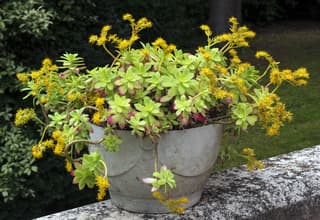
Pacific Stonecrop
Sedum spathulifolium
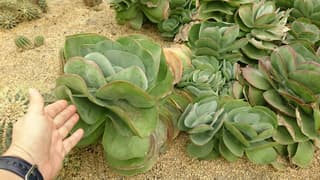
Flapjack Plant
Kalanchoe luciae
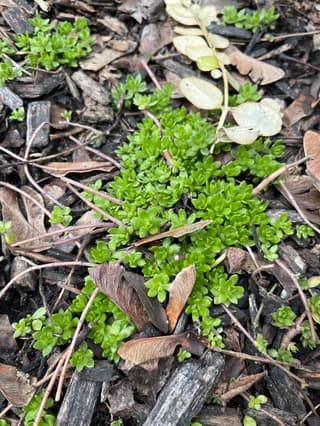
Stringy Stonecrop
Sedum sarmentosum
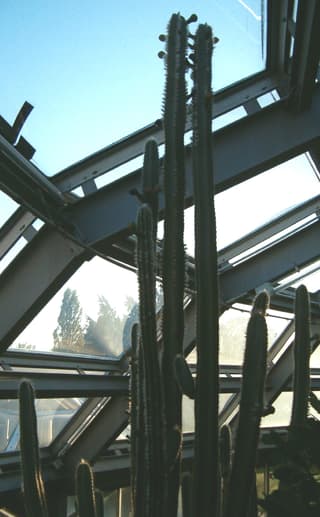
Caatinga Blue Pilosocereus
Pilosocereus catingicola
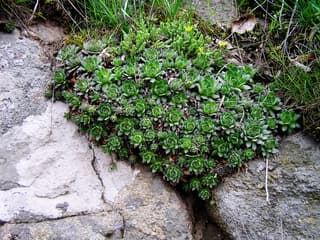
Russian Houseleek
Sempervivum ruthenicum

Corsican Stonecrop
Sedum dasyphyllum
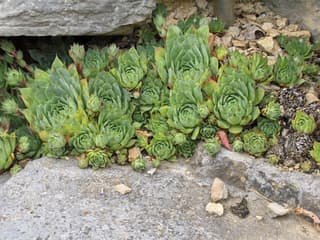
Common Houseleek
Sempervivum tectorum
Ideal Succulents for Crotone's Climate
Crotone has an average temperature of 18.5°C and humidity of 66.7%, conditions that directly influence which succulents best adapt to the local environment.
How to Grow Succulents in Crotone
To successfully grow succulents in Crotone, consider that the average temperature of 18.5°C and humidity of 66.7% create a specific microclimate. Moderate humidity is favorable for most species in this category.
Advantages of Choosing Adapted Succulents
Succulents adapted to Crotone's climate show greater resistance, healthy growth, and less need for interventions.