297 Best Succulents for Dallas | 2026 Guide - Page 4
The 297 best succulents to grow in Dallas. Ideal climate: 20.1°C, 64.6% humidity.
297 Succulents for Dallas
Showing 109-144 of 297
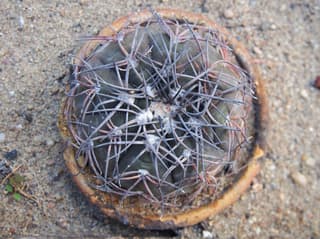
Pflanz's Chin Cactus
Gymnocalycium pflanzii
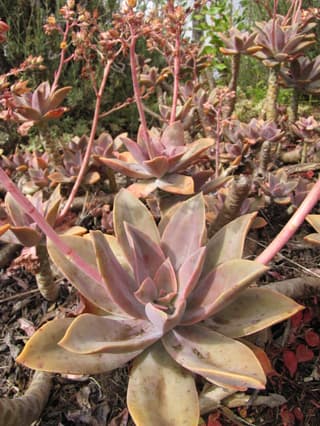
Graptoveria Ellen
Graptoveria 'Ellen'
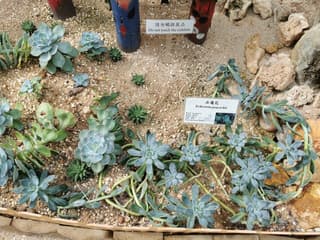
Peacock Echeveria
Echeveria peacockii
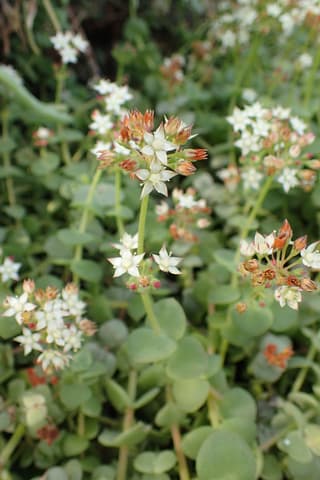
Calico Kitten
Crassula pellucida
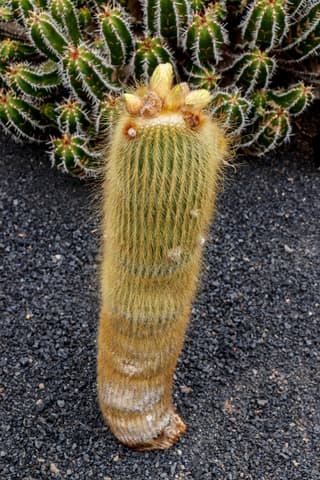
Golden Ball Cactus
Parodia leninghausii

Chin Cactus
Gymnocalycium
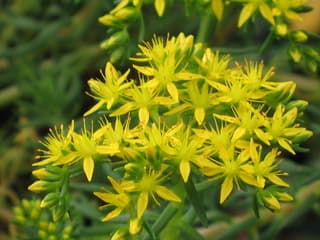
Mexican Stonecrop
Sedum mexicanum

Chenille Plant
Echeveria pulvinata

Fairy Crassula
Crassula multicava

Giant Velvet Rose
Aeonium canariense

Chilean Corkscrew Cactus
Eulychnia castanea

Powder Puff Cactus
Mammillaria bocasana
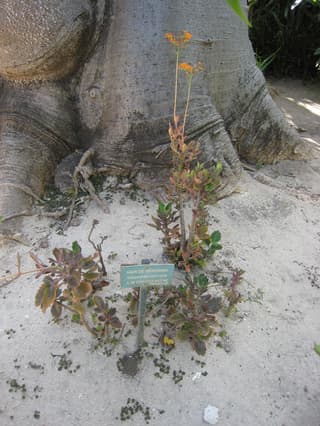
Christmas Tree Plant
Kalanchoe laciniata
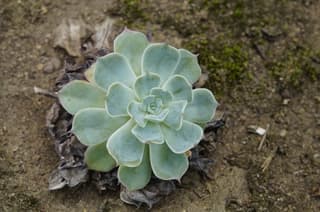
Blue Echeveria
Echeveria secunda
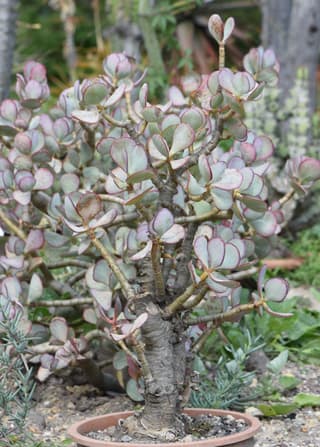
Silver Jade Plant
Crassula arborescens
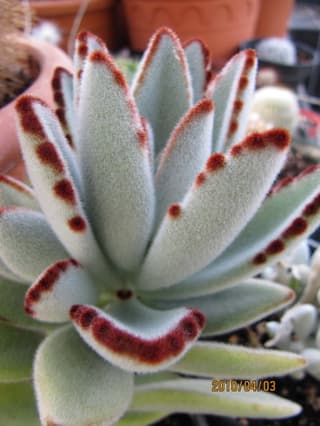
Panda Plant
Kalanchoe tomentosa
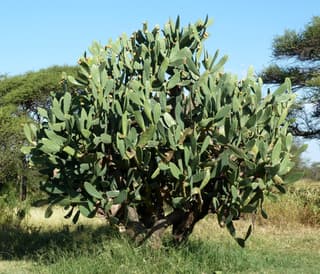
Prickly Pear Cactus
Opuntia
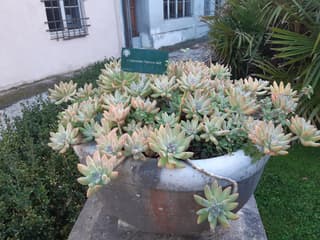
Pink Sedeveria
Graptosedum 'Francesco Baldi'
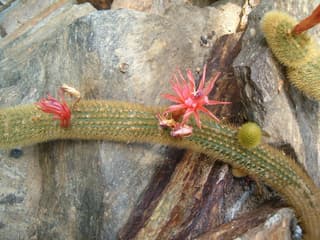
Golden Rat-tail Cactus
Cleistocactus winteri
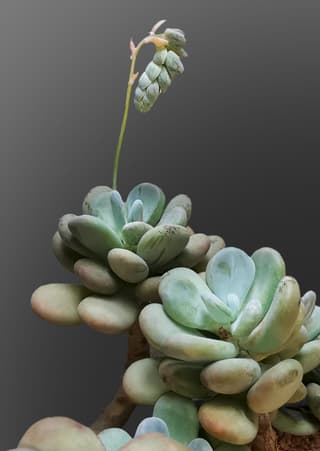
Moonstones
Pachyphytum
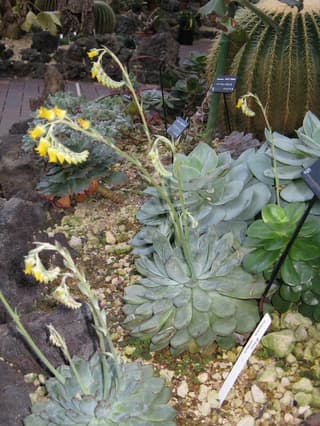
Pulido's Echeveria
Echeveria pulidonis
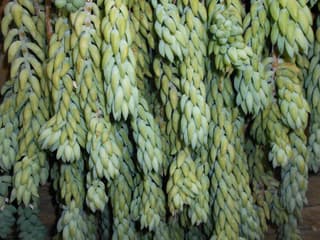
Burro's Tail
Sedum morganianum
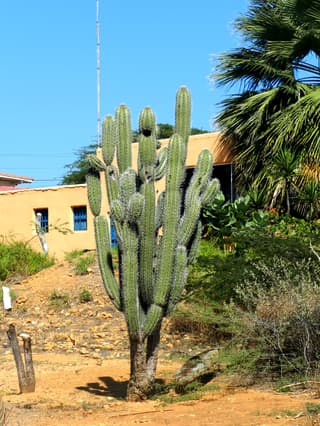
Peruvian Apple Cactus
Cereus repandus
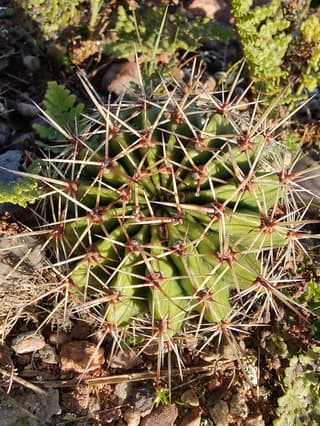
Easter Lily Cactus
Echinopsis oxygona
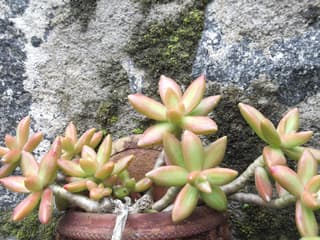
Golden Sedum
Sedum adolphii
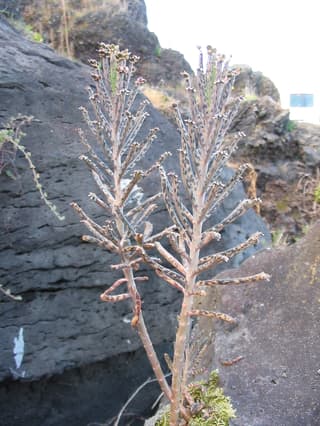
Mother of Millions
Kalanchoe delagoensis
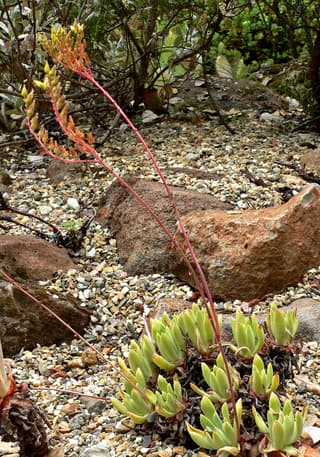
Greene's Liveforever
Dudleya greenei
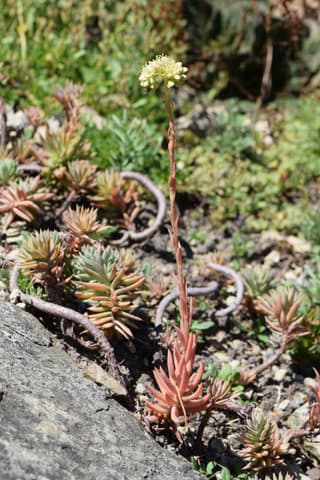
Pale Stonecrop
Petrosedum sediforme
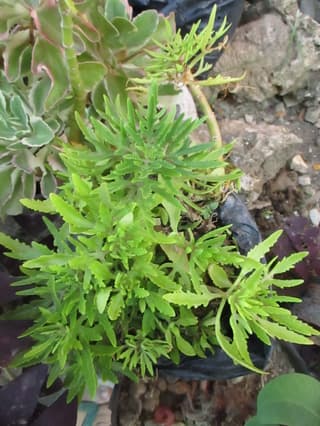
Horned-leaf Kalanchoe
Kalanchoe ceratophylla
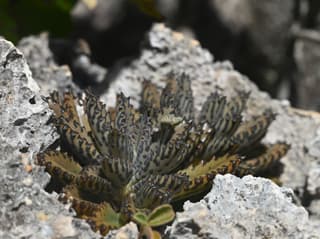
Mother of Millions Hybrid
Kalanchoe × houghtonii
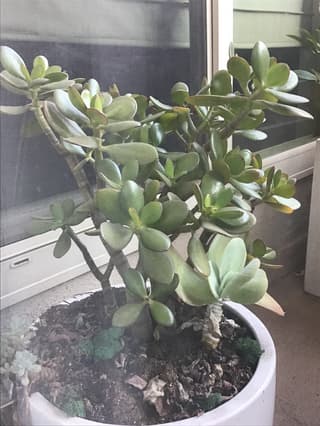
Crassula (genus)
Crassula
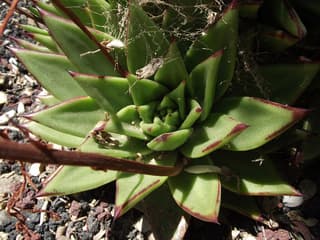
Lipstick Echeveria
Echeveria agavoides
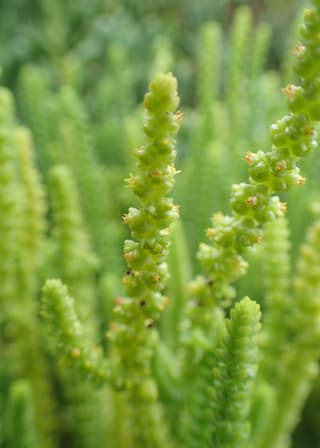
Watch Chain Plant
Crassula muscosa
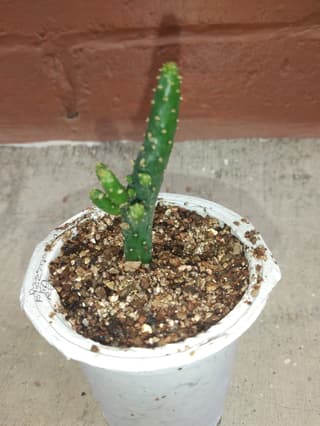
Tuna Prickly Pear
Opuntia tuna
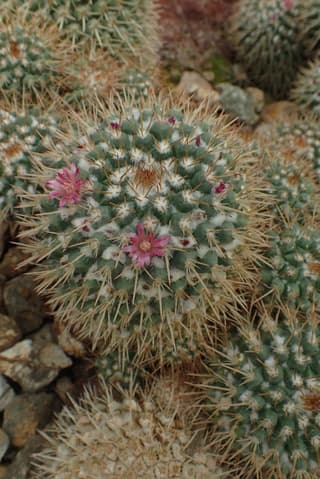
Backeberg's Pincushion Cactus
Mammillaria backebergiana
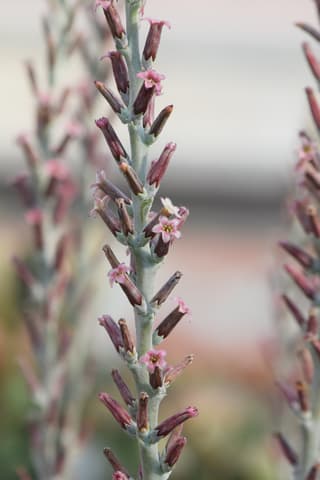
Plover Eggs Plant
Adromischus cooperi
Ideal Succulents for Dallas's Climate
Dallas has an average temperature of 20.1°C and humidity of 64.6%, conditions that directly influence which succulents best adapt to the local environment.
How to Grow Succulents in Dallas
To successfully grow succulents in Dallas, consider that the average temperature of 20.1°C and humidity of 64.6% create a specific microclimate. Moderate humidity is favorable for most species in this category.
Advantages of Choosing Adapted Succulents
Succulents adapted to Dallas's climate show greater resistance, healthy growth, and less need for interventions.