500 Best Plants for Fernando de Noronha | 2026 Guide - Page 10
Discover the 500 ideal plants for Fernando de Noronha's climate. Average temp: 26.1°C, Humidity: 77.8%.
Top 500 Plants for Fernando de Noronha
Showing 325-360 of 500
Common Stinkhorn
Phallus impudicus
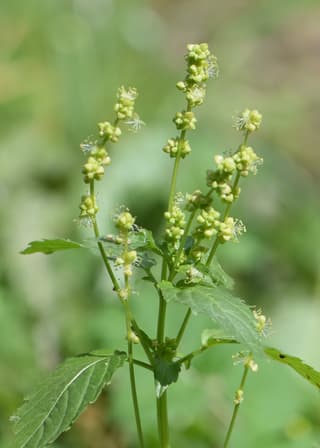
Annual mercury
Mercurialis annua
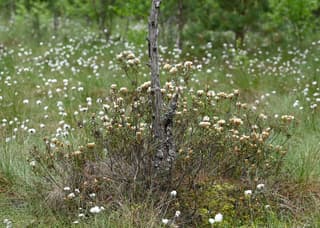
Marsh Labrador Tea
Ledum palustre
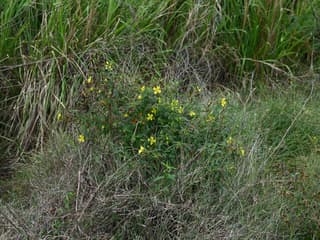
Mexican Primrose-Willow
Ludwigia octovalvis
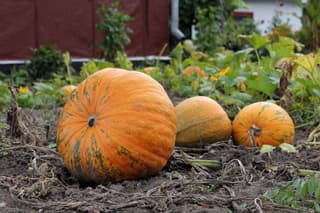
Squash
Cucurbita
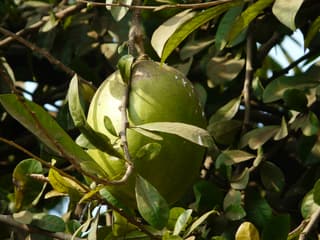
Pomelo
Citrus maxima
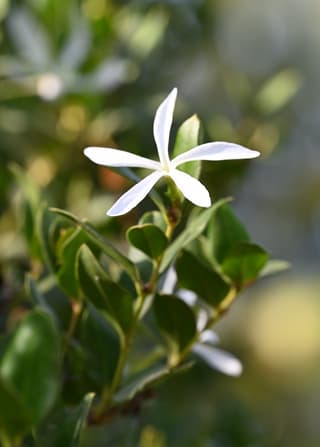
Natal Plum
Carissa macrocarpa
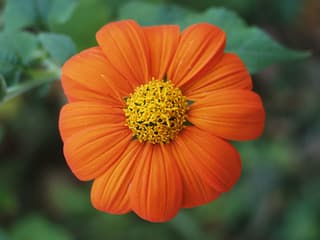
Mexican Sunflower
Tithonia
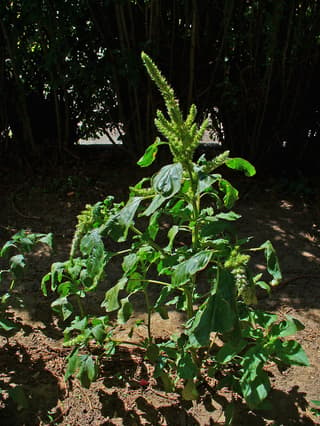
Smooth Amaranth
Amaranthus hybridus
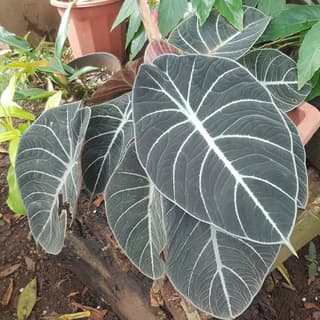
Black Velvet Alocasia
Alocasia reginula
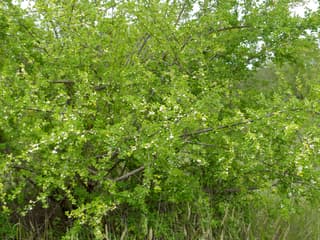
White-Berry Bush
Flueggea virosa
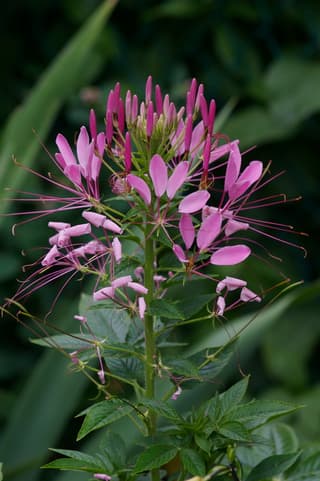
Spider Flower
Cleome houtteana

Common Water-plantain
Alisma plantago-aquatica
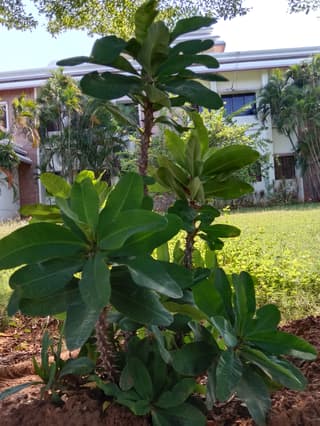
White Frangipani
Plumeria alba
Stonebreaker
Phyllanthus amarus
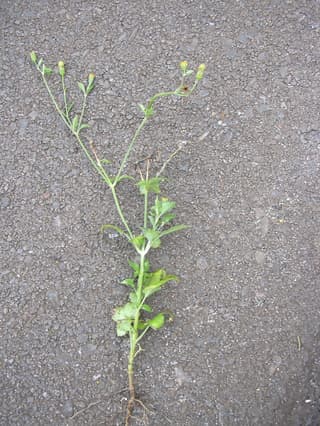
Blackjack
Bidens pilosa
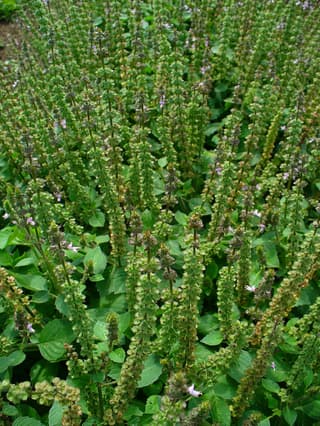
Hoary Basil
Ocimum americanum
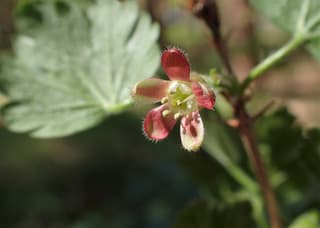
Gooseberry
Ribes uva-crispa
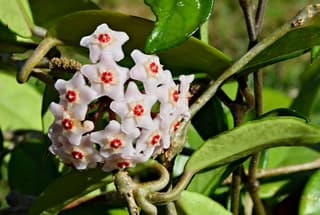
Wax Plant
Hoya
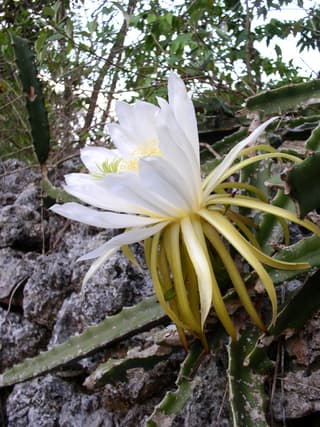
Strawberry Pear
Selenicereus triangularis
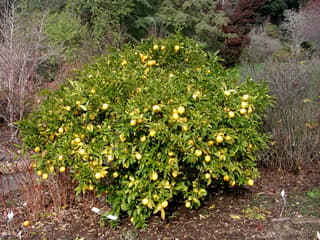
Lemon
Citrus limon
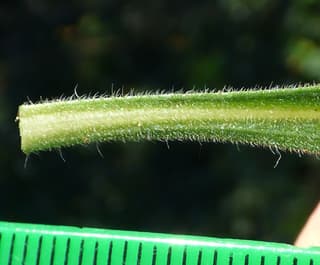
Guernsey Fleabane
Erigeron sumatrensis
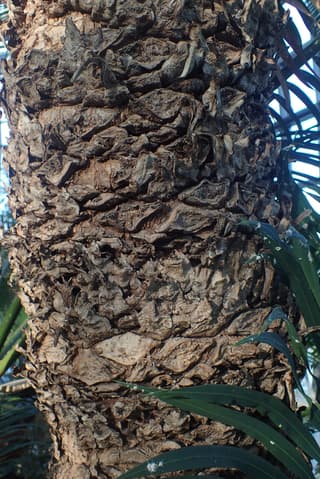
Queen Sago
Cycas rumphii
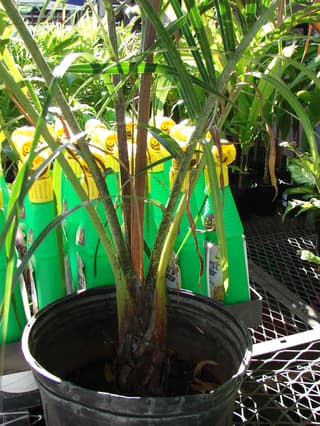
Triangle Palm
Dypsis decaryi
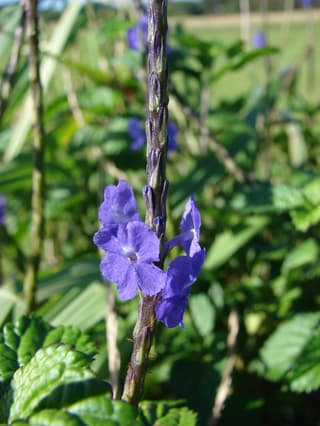
Blue Snakeweed
Stachytarpheta cayennensis
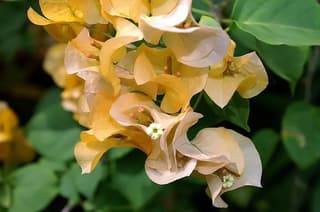
Bougainvillea
Bougainvillea x buttiana

Ombú
Phytolacca dioica
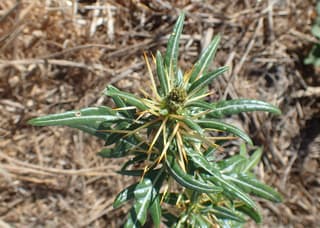
Spiny Cocklebur
Xanthium spinosum
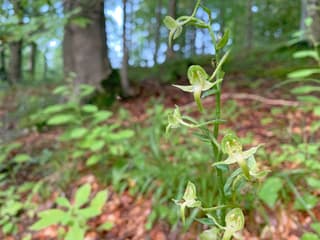
Greater Butterfly-orchid
Platanthera chlorantha
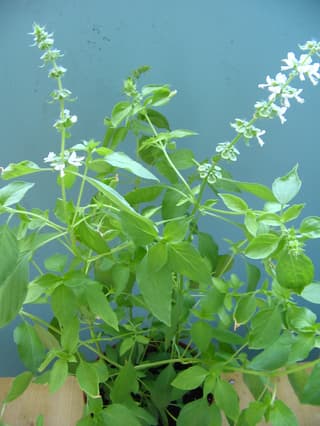
Lemon Basil
Ocimum × citriodorum
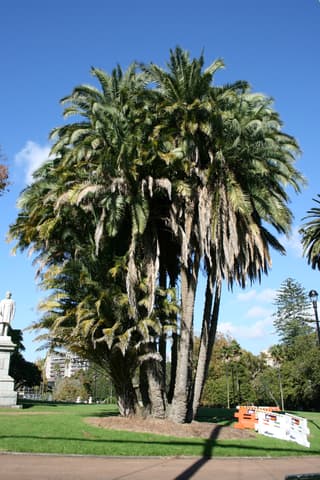
Senegal Date Palm
Phoenix reclinata
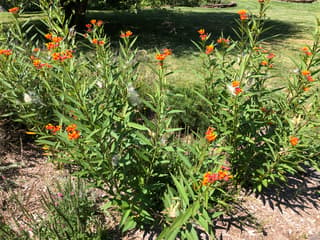
Tropical Milkweed
Asclepias curassavica
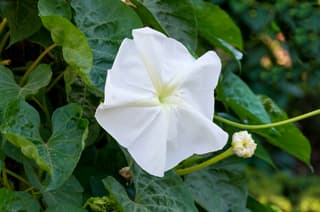
Moonflower
Ipomoea alba
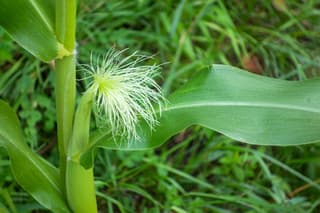
Corn / Maize
Zea
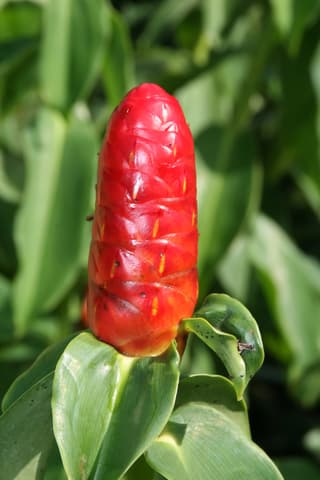
Red Button Ginger
Costus woodsonii
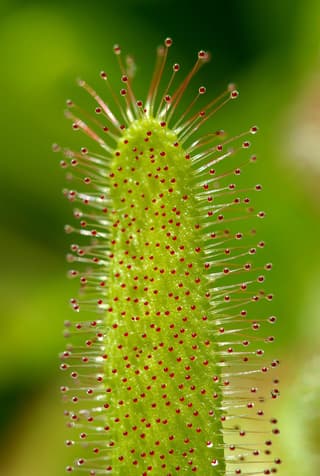
Cape Sundew
Drosera capensis
Fernando de Noronha Climate for Plant Growing
Fernando de Noronha has a climate with an average annual temperature of 26.1°C and average relative humidity of 77.8%. These climate conditions are ideal for various species of ornamental and fruit plants.
Tips for Growing Plants in Fernando de Noronha
To succeed in growing plants in Fernando de Noronha, consider the average temperature of 26.1°C when choosing your species. On very hot days, protect plants from direct sun during the most intense hours. High humidity favors tropical plants, but watch for fungal issues.
Why Choose Plants Adapted to the Local Climate?
Plants adapted to Fernando de Noronha's climate require less care, consume less water, and are more likely to thrive. Our selection considers the compatibility between each species' needs and local climate conditions, including temperature (26.1°C) and humidity (77.8%).