500 Best Pet Safe for Flores da Cunha | 2026 Guide - Page 10
The 500 best pet safe to grow in Flores da Cunha. Ideal climate: 16.5°C, 81.7% humidity.
500 Pet Safe for Flores da Cunha
Showing 325-360 of 500
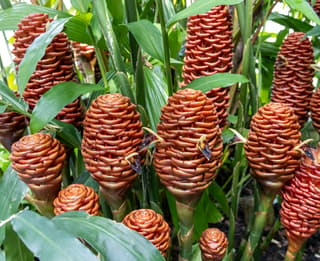
Ginger
Zingiber
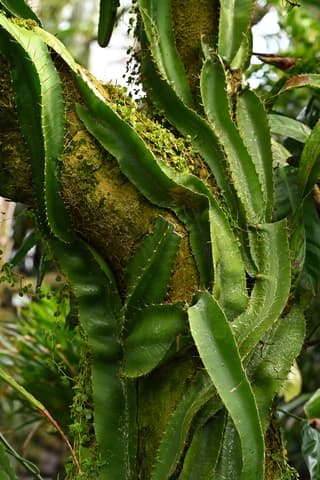
Climbing Cactus
Epiphyllum phyllanthus
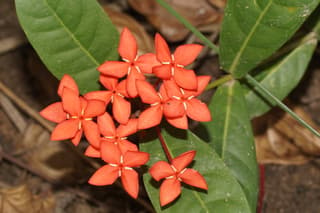
Jungle Geranium
Ixora coccinea
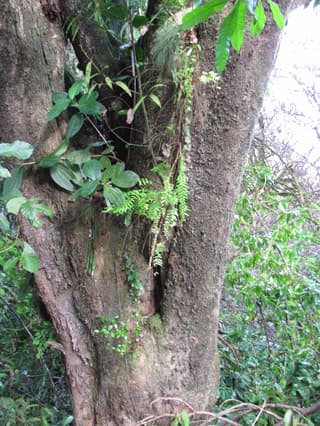
Fishtail Fern
Nephrolepis falcata
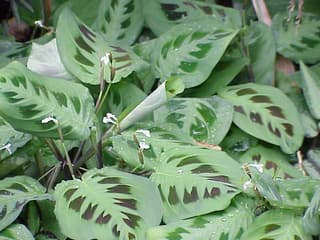
Prayer Plant
Maranta leuconeura
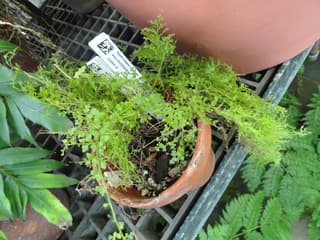
Boston Fern
Nephrolepis exaltata
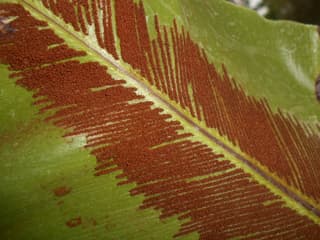
Bird's Nest Fern
Asplenium nidus
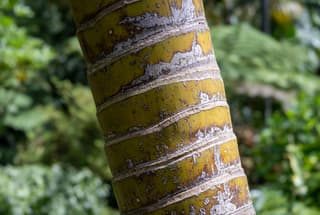
Areca Palm
Dypsis lutescens
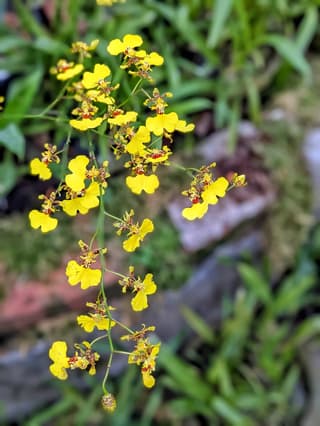
Golden Shower Orchid
Oncidium varicosum
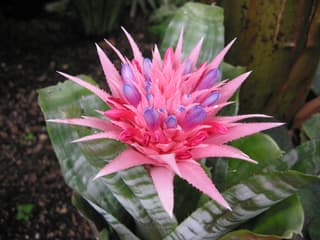
Urn Plant
Aechmea fasciata
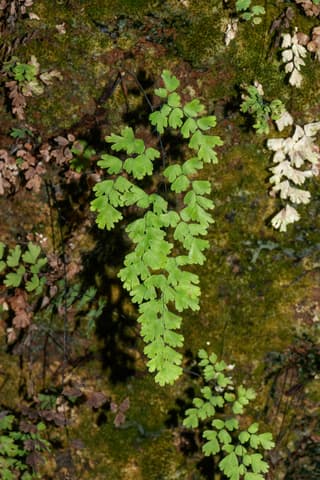
Maidenhair Fern
Adiantum capillus-veneris
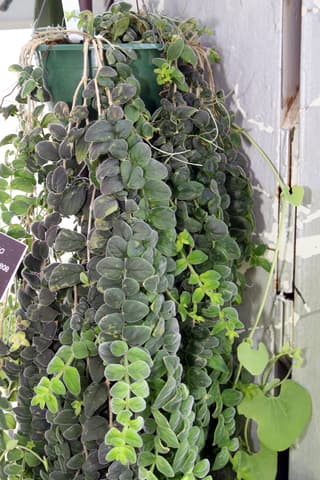
Goldfish plant
Columnea microcalyx
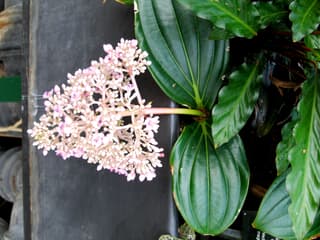
Rose Grape
Medinilla magnifica
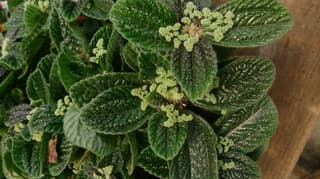
Friendship Plant
Pilea involucrata
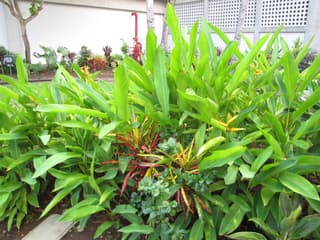
Parrot Heliconia
Heliconia psittacorum
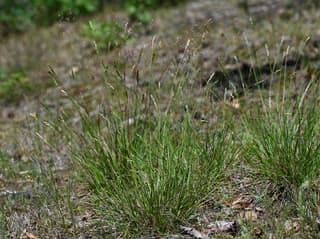
Heath-grass
Danthonia decumbens
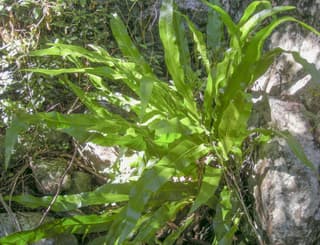
Fishtail Fern
Microsorum punctatum

Longan
Dimocarpus longan
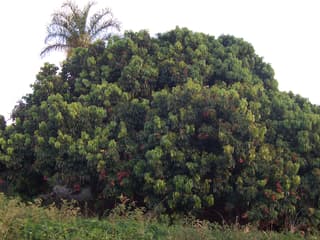
Lychee
Litchi chinensis
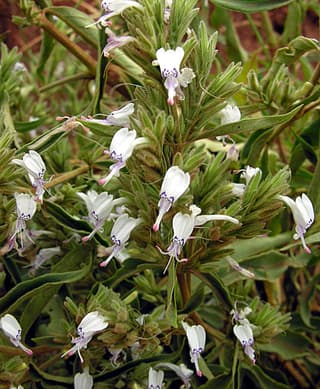
White Ribbon Bush
Hypoestes forskaolii
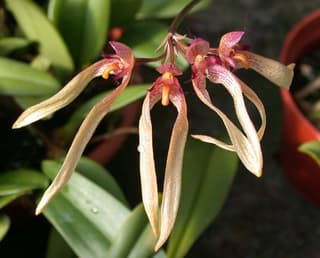
Pale Umbrella Orchid
Bulbophyllum longiflorum
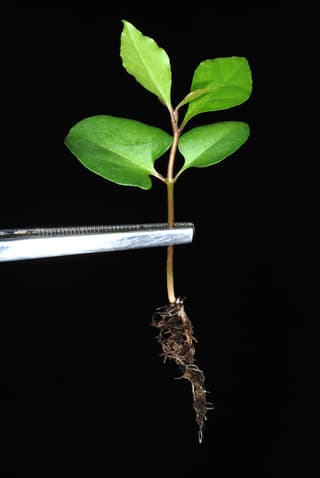
Pull-and-hold
Pisonia aculeata
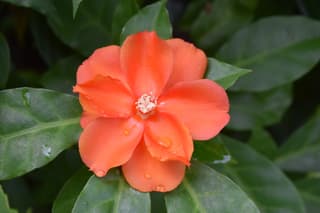
Leaf Cactus
Leuenbergeria
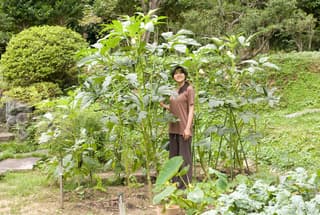
Okra
Abelmoschus esculentus
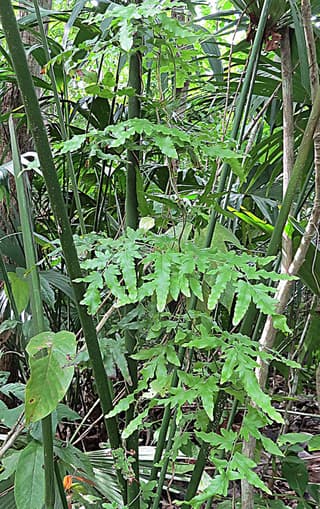
Climbing Fern
Lygodium venustum

Macarthur Palm
Ptychosperma macarthurii
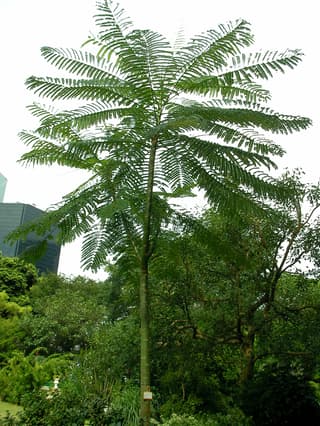
Brazilian Firetree
Schizolobium parahyba
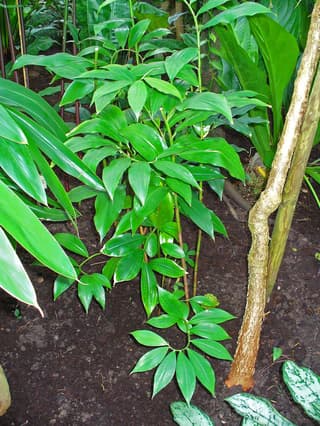
Crepe Ginger
Hellenia speciosa

Camphor Weed
Pluchea
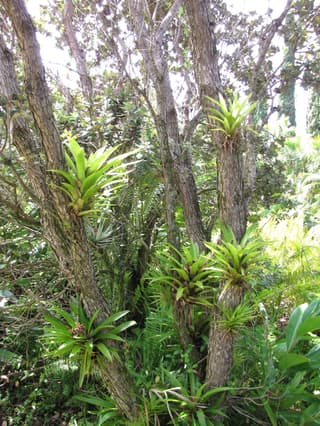
West Indian Tufted Airplant
Guzmania monostachia
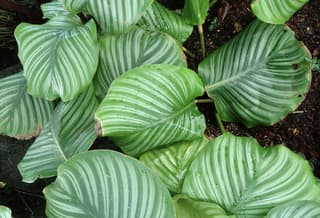
Round-leaf Calathea
Calathea orbifolia
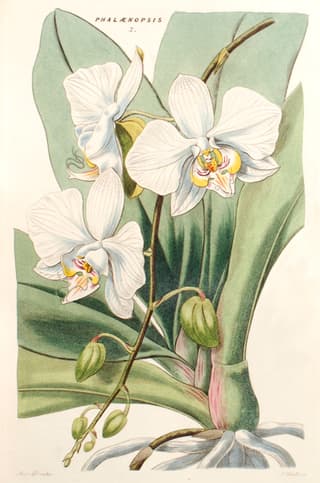
Moon Orchid
Phalaenopsis amabilis
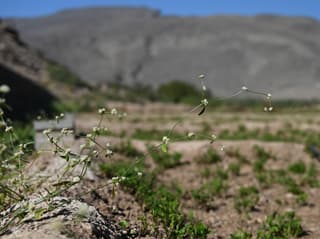
Calico Plant
Alternanthera bettzickiana
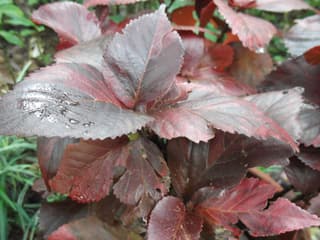
Jacob's Coat
Acalypha wilkesiana
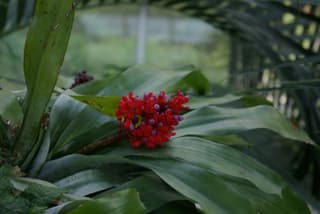
Coral Berry Bromeliad
Aechmea fulgens
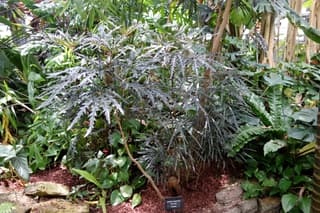
False Aralia
Plerandra elegantissima
Ideal Pet Safe for Flores da Cunha's Climate
Flores da Cunha has an average temperature of 16.5°C and humidity of 81.7%, conditions that directly influence which pet safe best adapt to the local environment.
How to Grow Pet Safe in Flores da Cunha
To successfully grow pet safe in Flores da Cunha, consider that the average temperature of 16.5°C and humidity of 81.7% create a specific microclimate. High humidity favors tropical species, but requires attention to ventilation to prevent fungal issues.
Advantages of Choosing Adapted Pet Safe
Pet Safe adapted to Flores da Cunha's climate show greater resistance, healthy growth, and less need for interventions.