500 Best Pet Safe for Flores da Cunha | 2026 Guide - Page 9
The 500 best pet safe to grow in Flores da Cunha. Ideal climate: 16.5°C, 81.7% humidity.
500 Pet Safe for Flores da Cunha
Showing 289-324 of 500
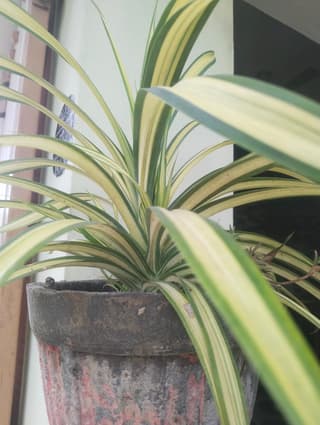
Spider Plant (genus)
Chlorophytum
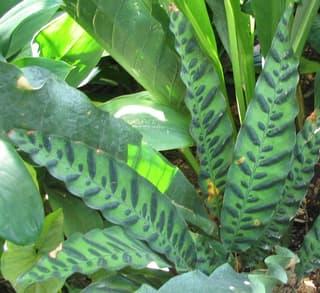
Rattlesnake Plant
Calathea lancifolia
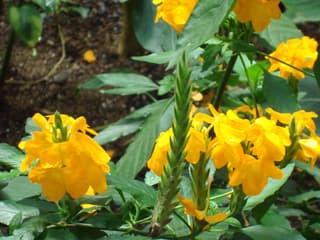
Firecracker Flower
Crossandra infundibuliformis
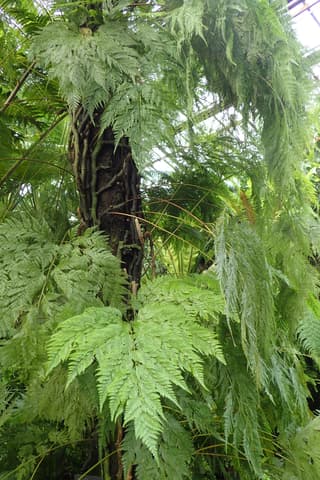
Rabbit's Foot Fern
Davallia fejeensis
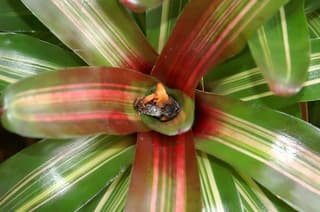
Blushing Bromeliad
Neoregelia carolinae
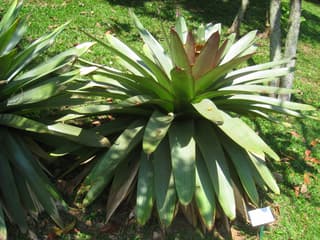
Imperial Bromeliad
Alcantarea imperialis
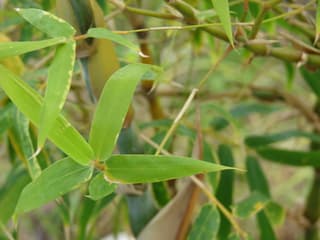
Buddha Belly Bamboo
Bambusa ventricosa

Canna Lily
Canna x generalis
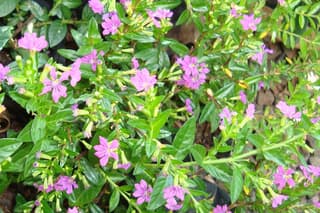
Slender Cuphea
Cuphea gracilis
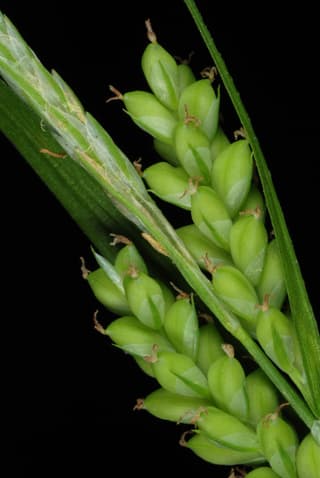
Eastern Woodland Sedge
Carex blanda
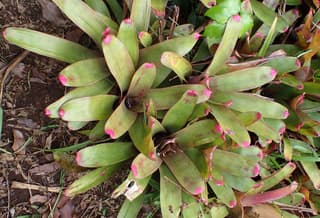
Blushing Bromeliad
Neoregelia sp
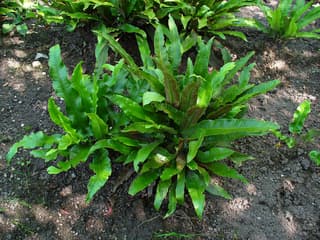
Hart's-tongue Fern
Asplenium scolopendrium
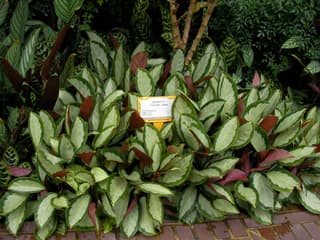
Calathea Picturata
Goeppertia picturata
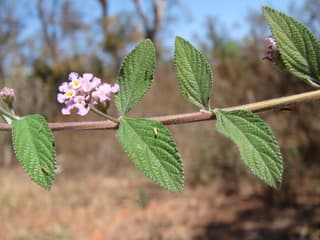
Bushy Lippia
Lippia alba
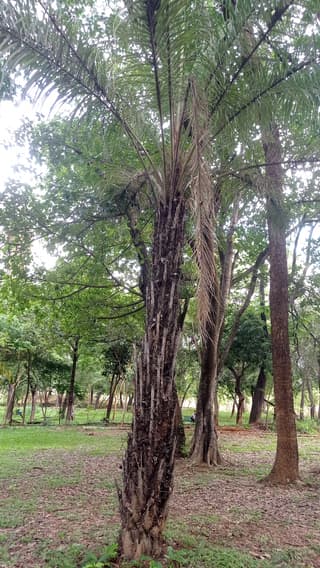
Macaw Palm
Acrocomia aculeata
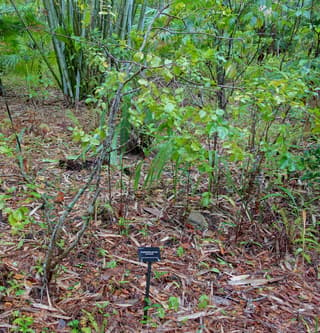
Black Ironwood
Krugiodendron ferreum
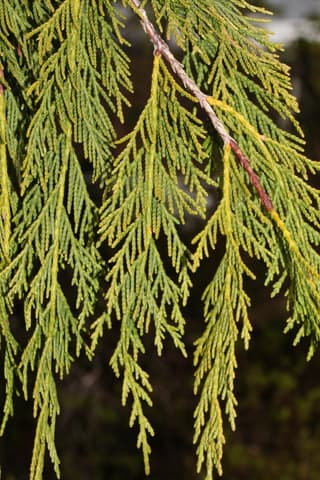
Nootka Cypress
Callitropsis nootkatensis
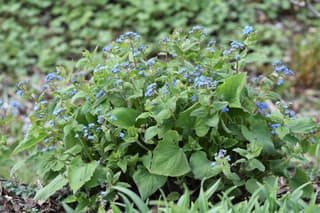
Siberian Bugloss
Brunnera macrophylla
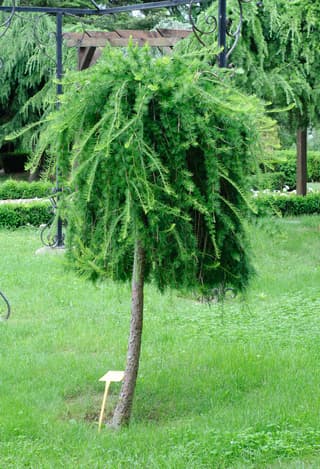
European Larch
Larix decidua
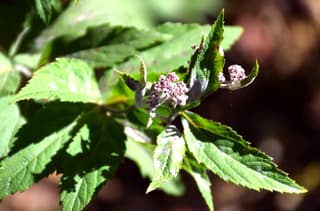
Willowleaf Spiraea
Spiraea salicifolia
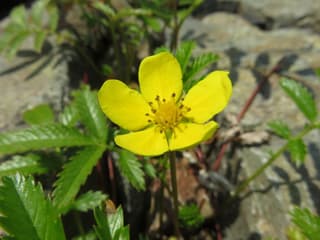
Silverweed
Argentina anserina
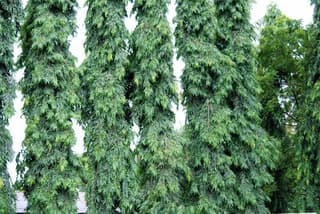
Mast Tree
Polyalthia longifolia

Busy Lizzie
Impatiens walleriana
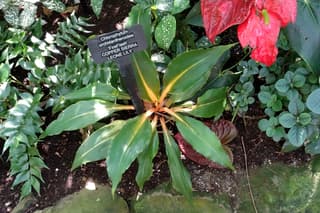
Mandarin Plant
Chlorophytum orchidastrum
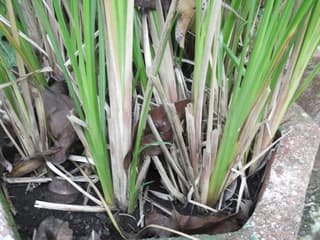
Vetiver
Chrysopogon zizanioides
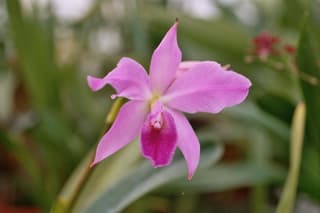
Cattleya Orchid
Cattleya spp
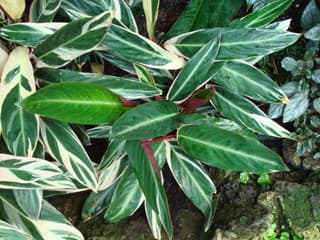
Never Never Plant
Ctenanthe oppenheimiana
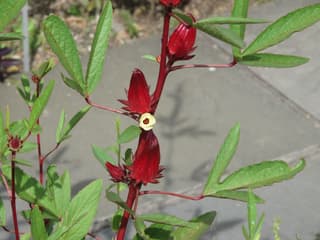
Roselle
Hibiscus sabdariffa
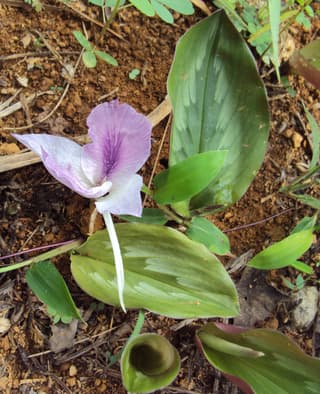
Resurrection Lily
Kaempferia rotunda
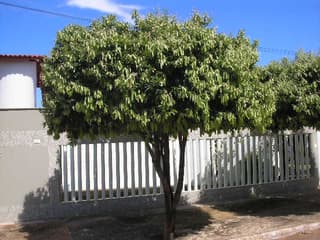
Oiti Tree
Licania tomentosa
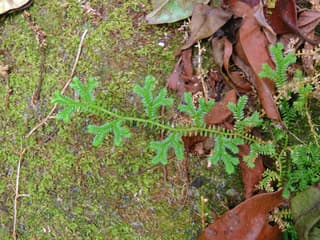
Spikemoss
Selaginella
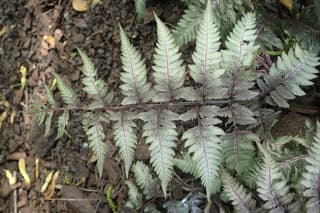
Japanese Painted Fern
Athyrium niponicum

Subalpine Fir
Abies lasiocarpa

Nordmann fir
Abies nordmanniana

Mendel's Cattleya
Cattleya mendelii
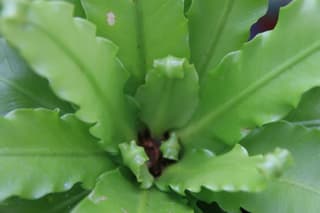
Japanese Bird's Nest Fern
Asplenium antiquum
Ideal Pet Safe for Flores da Cunha's Climate
Flores da Cunha has an average temperature of 16.5°C and humidity of 81.7%, conditions that directly influence which pet safe best adapt to the local environment.
How to Grow Pet Safe in Flores da Cunha
To successfully grow pet safe in Flores da Cunha, consider that the average temperature of 16.5°C and humidity of 81.7% create a specific microclimate. High humidity favors tropical species, but requires attention to ventilation to prevent fungal issues.
Advantages of Choosing Adapted Pet Safe
Pet Safe adapted to Flores da Cunha's climate show greater resistance, healthy growth, and less need for interventions.