500 Best Pet Safe for Groveland | 2026 Guide - Page 3
The 500 best pet safe to grow in Groveland. Ideal climate: 22.6°C, 76.8% humidity.
500 Pet Safe for Groveland
Showing 73-108 of 500
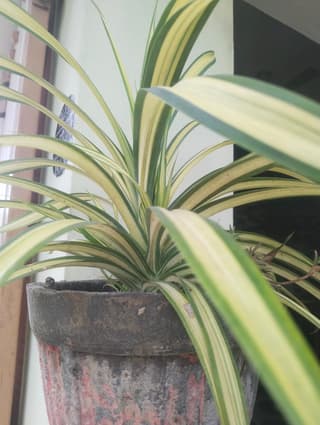
Spider Plant (genus)
Chlorophytum
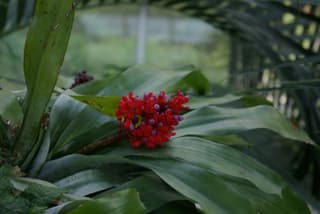
Coral Berry Bromeliad
Aechmea fulgens
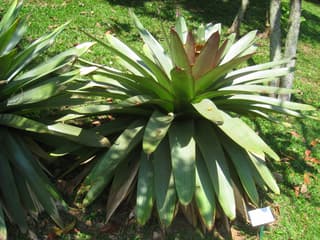
Imperial Bromeliad
Alcantarea imperialis
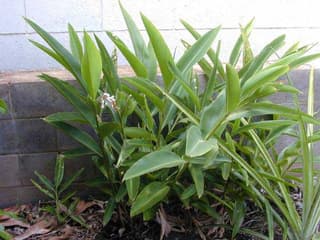
Shell Ginger
Alpinia zerumbet
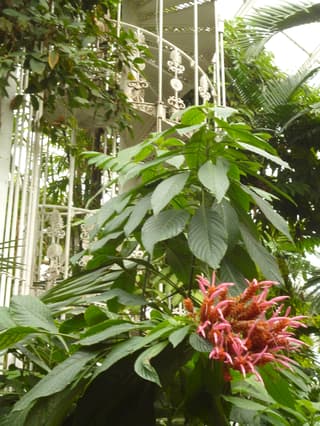
Coral Aphelandra
Aphelandra sinclairiana
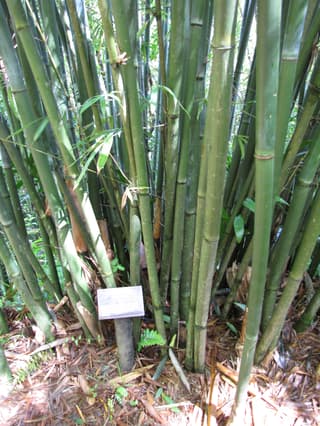
Slender Weavers Bamboo
Bambusa textilis gracili
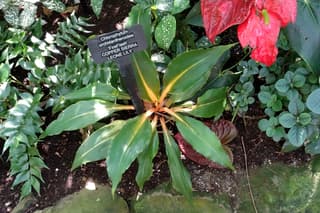
Mandarin Plant
Chlorophytum orchidastrum
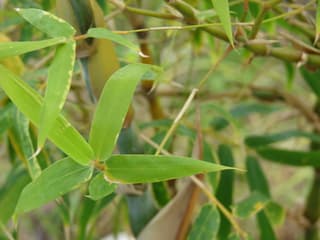
Buddha Belly Bamboo
Bambusa ventricosa
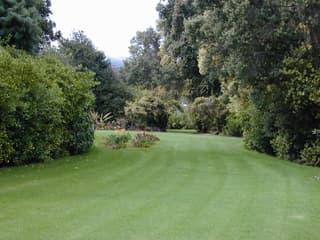
Canna Lily
Canna x generalis
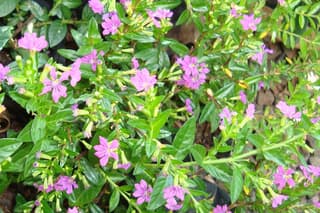
Slender Cuphea
Cuphea gracilis
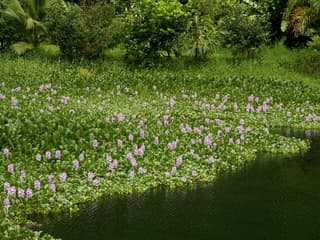
Water Hyacinth
Eichhornia crassipes
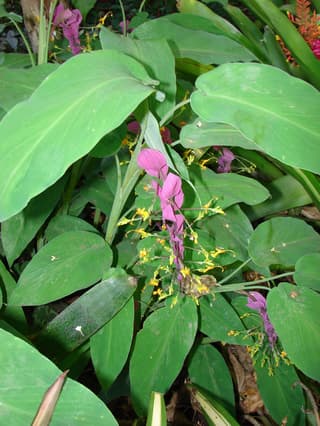
Dancing Lady Ginger
Globba winitii
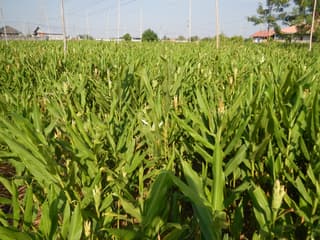
White Ginger Lily
Hedychium coronarium
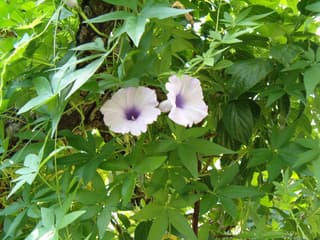
Mile-a-minute vine
Ipomoea cairica
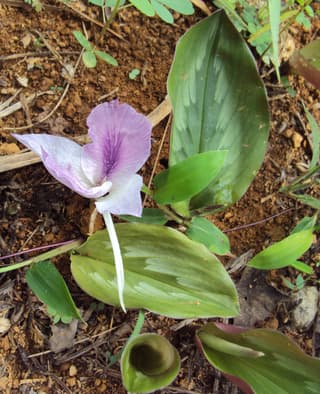
Resurrection Lily
Kaempferia rotunda
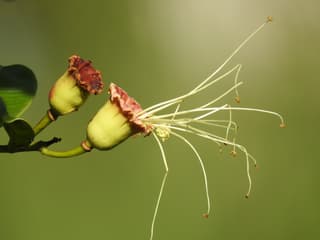
Thimble Tree
Lafoensia pacari
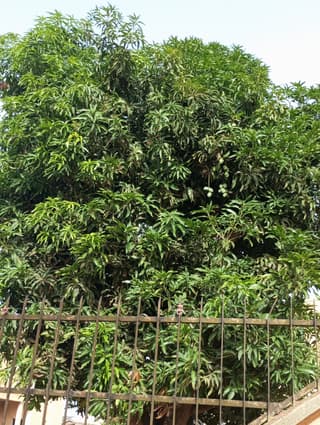
Mango Tree
Mangifera indica

Common Blanketflower
Gaillardia aristata
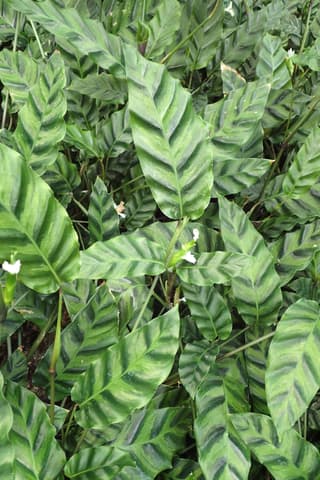
Thai Beauty Calathea
Goeppertia louisae
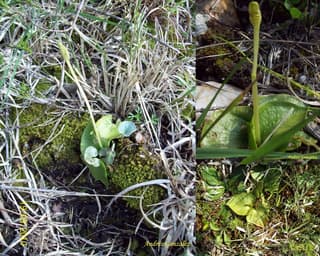
Bulbous Adder's-tongue
Ophioglossum crotalophoroides
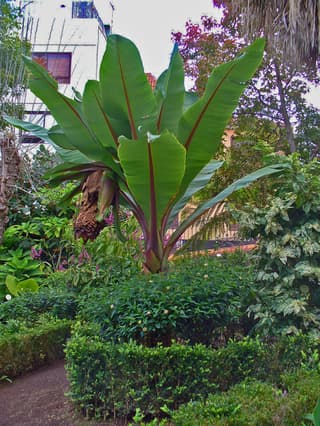
Abyssinian Banana
Ensete ventricosum
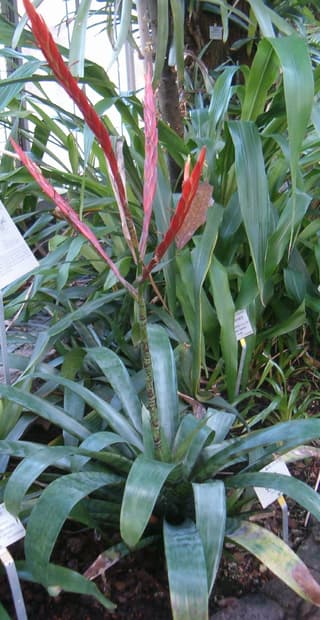
Flaming Sword Bromeliad
Lutheria
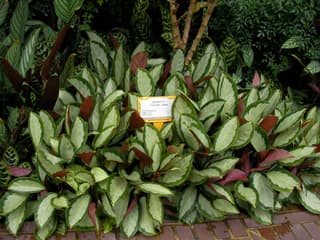
Calathea Picturata
Goeppertia picturata
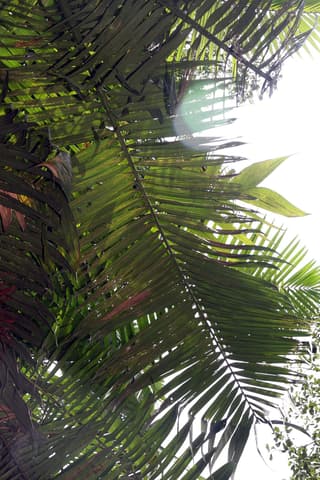
Breadnut
Brosimum alicastrum
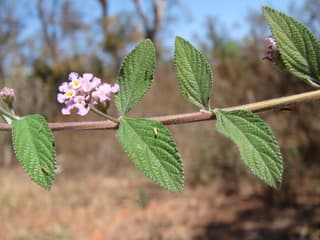
Bushy Lippia
Lippia alba
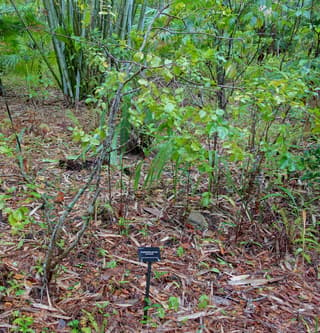
Black Ironwood
Krugiodendron ferreum
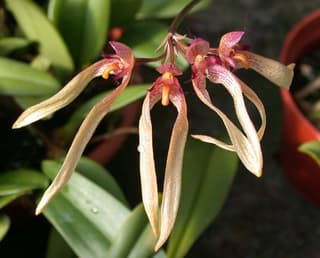
Pale Umbrella Orchid
Bulbophyllum longiflorum
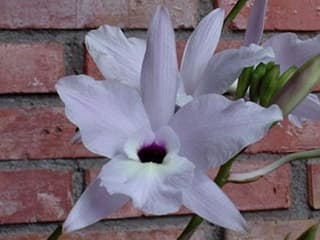
Rosy Tinted Laelia
Laelia rubescens
Stinking Squid
Pseudocolus fusiformis
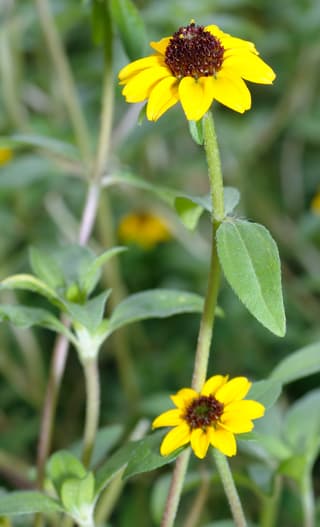
Creeping Zinnia
Sanvitalia procumbens
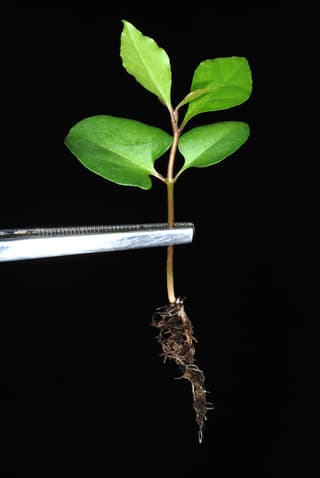
Pull-and-hold
Pisonia aculeata
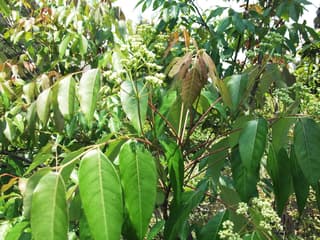
Catuaba
Trichilia
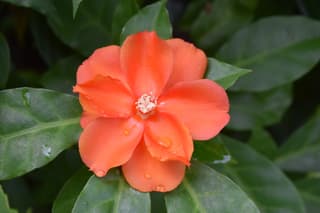
Leaf Cactus
Leuenbergeria
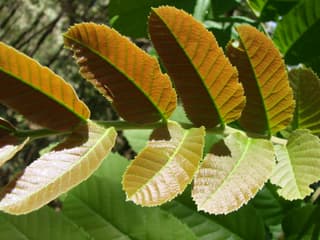
Camboata Tree
Cupania
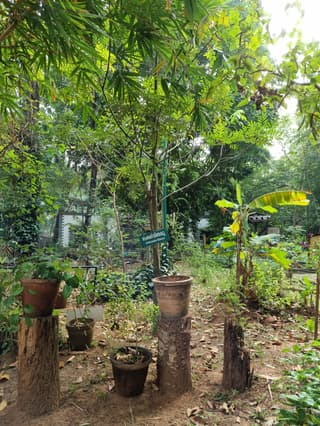
Bitterwood
Simarouba glauca
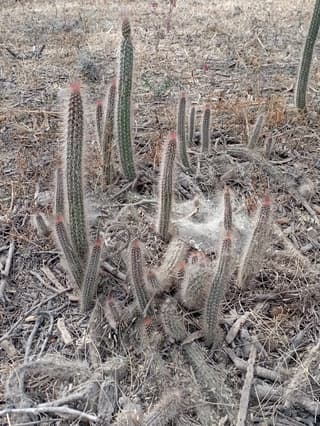
Snake Cactus, Junco, Queen of the Night
Nyctocereus serpentinus
Ideal Pet Safe for Groveland's Climate
Groveland has an average temperature of 22.6°C and humidity of 76.8%, conditions that directly influence which pet safe best adapt to the local environment.
How to Grow Pet Safe in Groveland
To successfully grow pet safe in Groveland, consider that the average temperature of 22.6°C and humidity of 76.8% create a specific microclimate. High humidity favors tropical species, but requires attention to ventilation to prevent fungal issues.
Advantages of Choosing Adapted Pet Safe
Pet Safe adapted to Groveland's climate show greater resistance, healthy growth, and less need for interventions.