500 Best Pet Safe for Itaquaquecetuba | 2026 Guide - Page 8
The 500 best pet safe to grow in Itaquaquecetuba. Ideal climate: 20°C, 80.2% humidity.
500 Pet Safe for Itaquaquecetuba
Showing 253-288 of 500
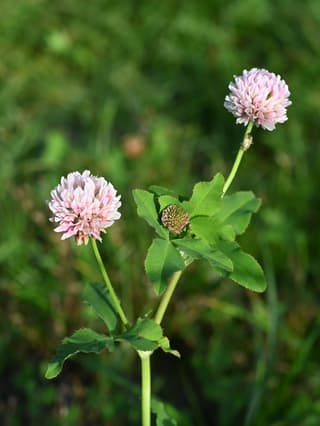
Alsike Clover
Trifolium hybridum
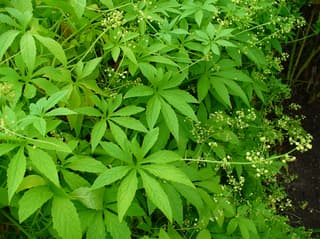
Caigua
Cyclanthera pedata
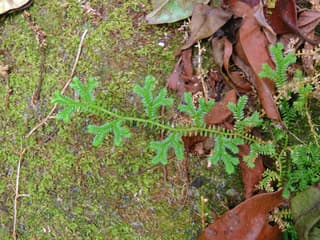
Spikemoss
Selaginella
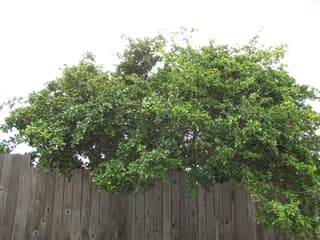
Barbados cherry
Malpighia emarginata
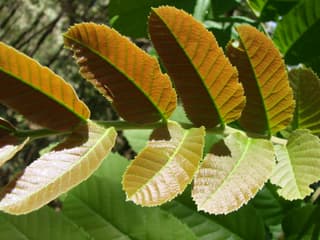
Camboata Tree
Cupania
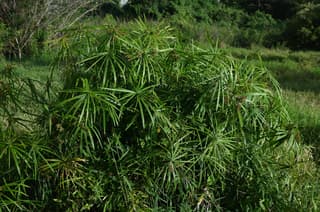
Umbrella Sedge
Cyperus
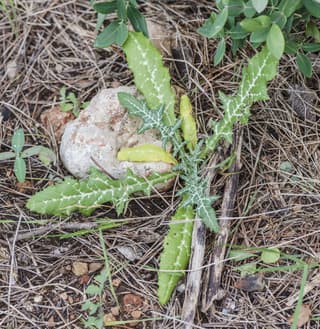
Common Sowthistle
Sonchus oleraceus
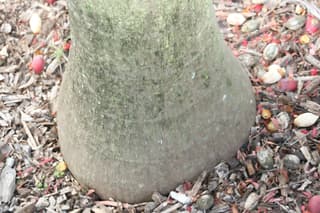
Montgomery Palm
Veitchia arecina
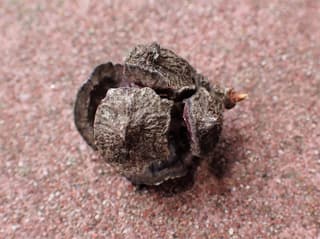
Mexican Cypress
Cupressus lusitanica
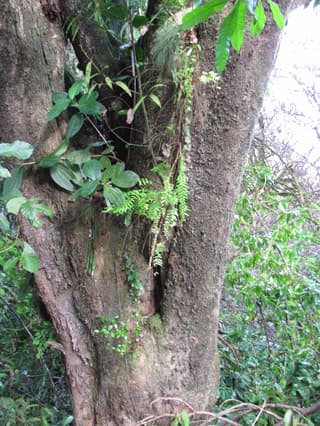
Fishtail Fern
Nephrolepis falcata
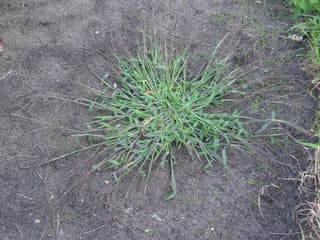
hairy crabgrass
Digitaria sanguinalis
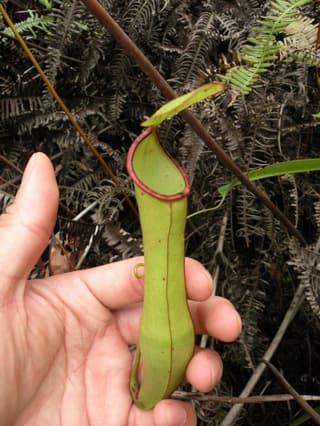
Neglecta Pitcher Plant
Nepenthes × neglecta
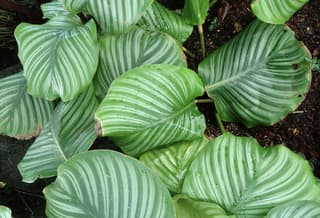
Round-leaf Calathea
Calathea orbifolia
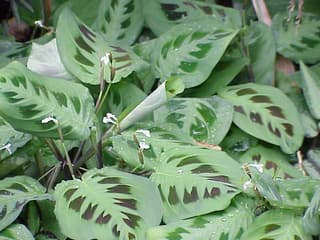
Prayer Plant
Maranta leuconeura
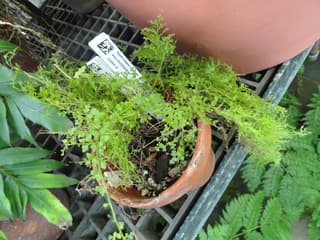
Boston Fern
Nephrolepis exaltata
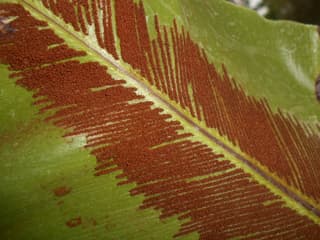
Bird's Nest Fern
Asplenium nidus
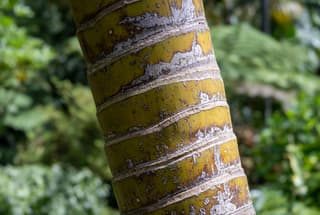
Areca Palm
Dypsis lutescens
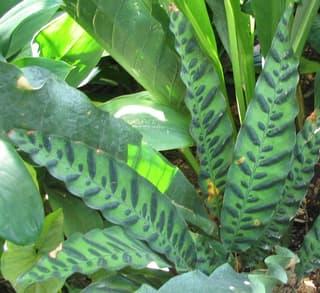
Rattlesnake Plant
Calathea lancifolia
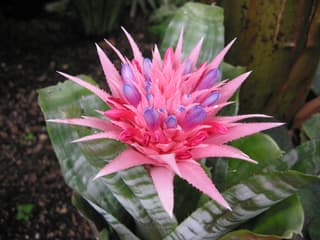
Urn Plant
Aechmea fasciata
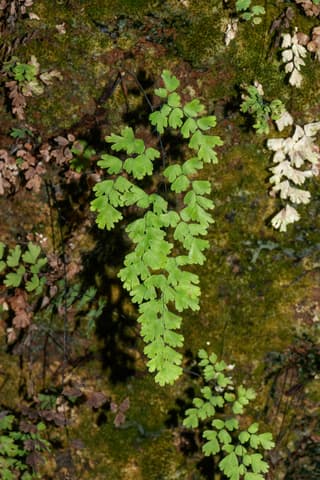
Maidenhair Fern
Adiantum capillus-veneris
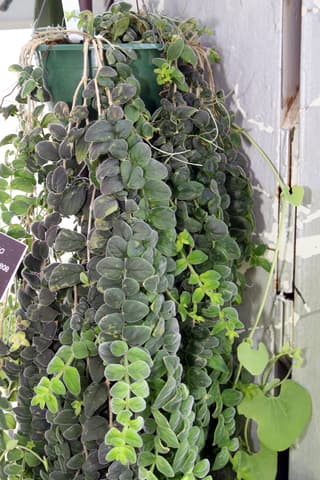
Goldfish plant
Columnea microcalyx
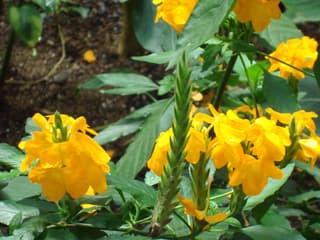
Firecracker Flower
Crossandra infundibuliformis
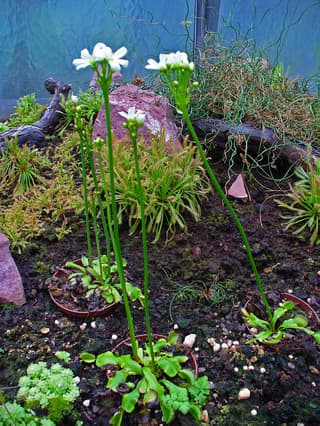
Venus Flytrap
Dionaea muscipula
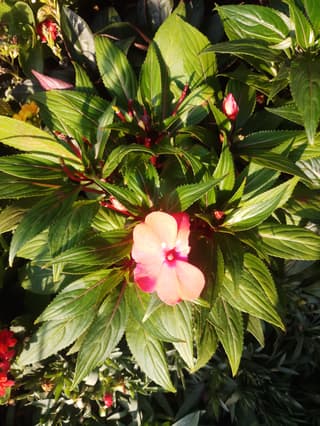
Busy Lizzie
Impatiens walleriana
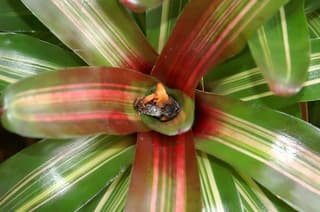
Blushing Bromeliad
Neoregelia carolinae
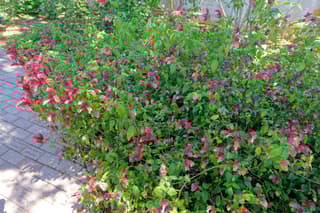
Shrimp Plant
Justicia brandegeeana
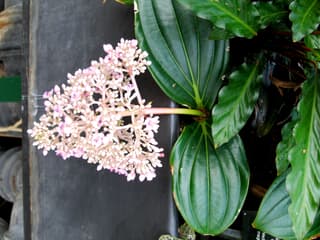
Rose Grape
Medinilla magnifica
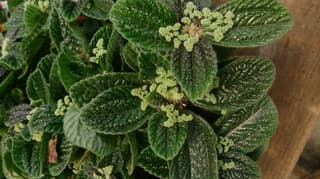
Friendship Plant
Pilea involucrata
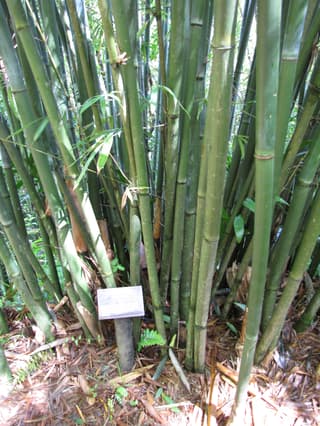
Slender Weavers Bamboo
Bambusa textilis gracili
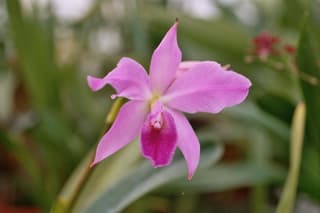
Cattleya Orchid
Cattleya spp
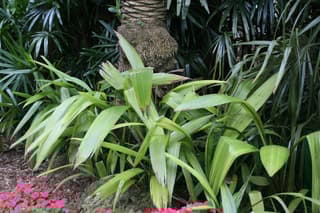
Palm Grass
Curculigo capitulata
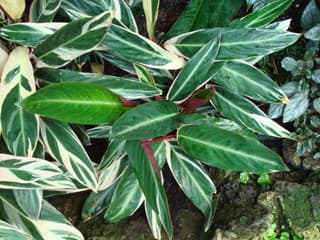
Never Never Plant
Ctenanthe oppenheimiana
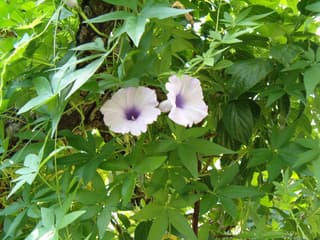
Mile-a-minute vine
Ipomoea cairica
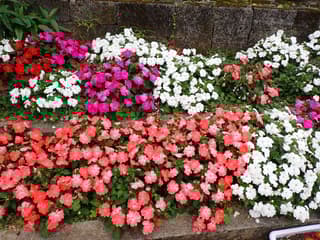
New Guinea Impatiens
Impatiens hawkeri
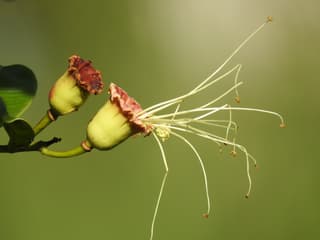
Thimble Tree
Lafoensia pacari
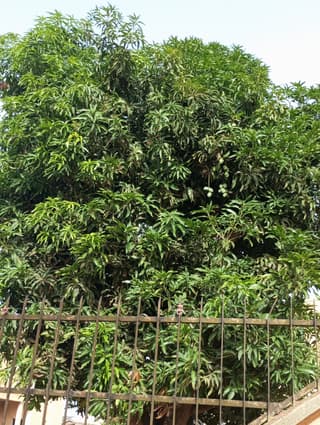
Mango Tree
Mangifera indica
Ideal Pet Safe for Itaquaquecetuba's Climate
Itaquaquecetuba has an average temperature of 20°C and humidity of 80.2%, conditions that directly influence which pet safe best adapt to the local environment.
How to Grow Pet Safe in Itaquaquecetuba
To successfully grow pet safe in Itaquaquecetuba, consider that the average temperature of 20°C and humidity of 80.2% create a specific microclimate. High humidity favors tropical species, but requires attention to ventilation to prevent fungal issues.
Advantages of Choosing Adapted Pet Safe
Pet Safe adapted to Itaquaquecetuba's climate show greater resistance, healthy growth, and less need for interventions.