500 Best Plants for Kanasín | 2026 Guide - Page 10
Discover the 500 ideal plants for Kanasín's climate. Average temp: 27.1°C, Humidity: 71.4%.
Top 500 Plants for Kanasín
Showing 325-360 of 500
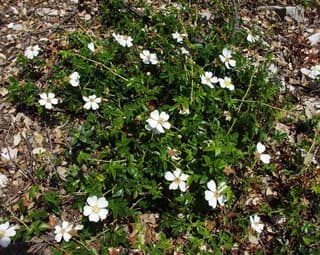
Evergreen Rose
Rosa sempervirens
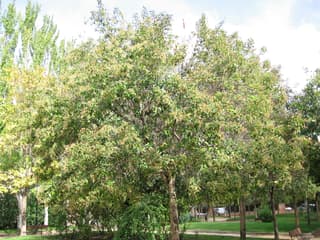
Japanese Privet
Ligustrum japonicum
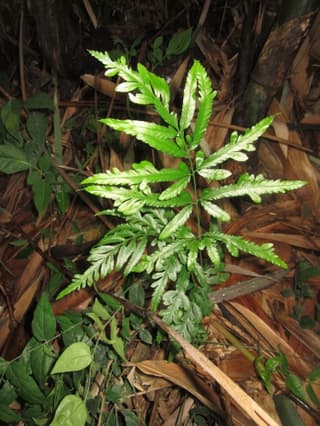
Silver Lace Fern
Pteris ensiformis
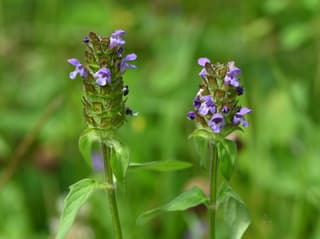
Self-Heal
Prunella vulgaris
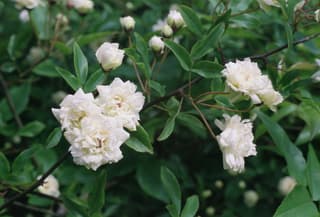
Lady Banks' Rose
Rosa banksiae
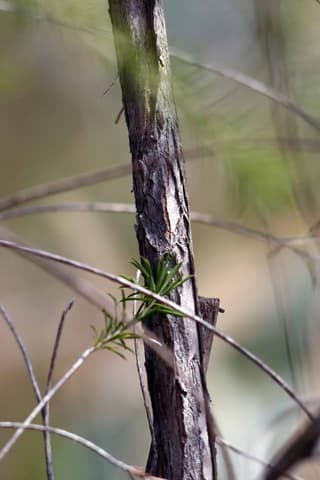
Bracelet Honey Myrtle
Melaleuca armillaris
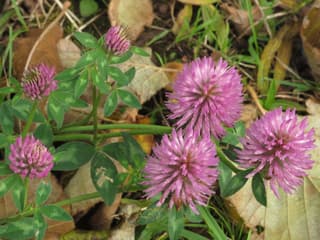
Red Clover
Trifolium pratense
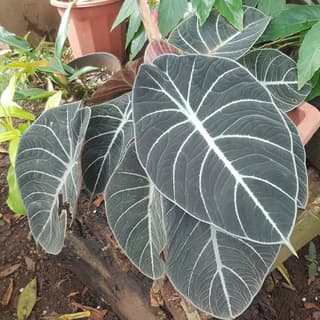
Black Velvet Alocasia
Alocasia reginula
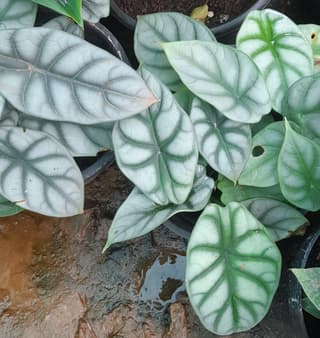
Dragon Scale Alocasia
Alocasia baginda
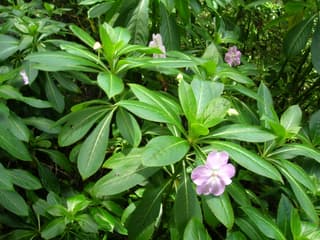
Poor Man's Rhododendron
Impatiens sodenii
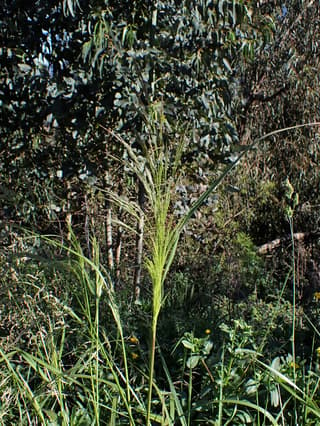
Johnson grass
Sorghum halepense
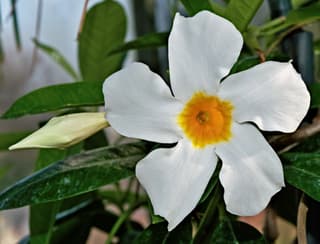
White Rock Trumpet
Mandevilla boliviensis
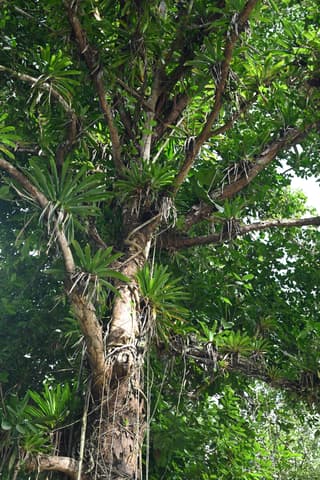
Guzmania
Guzmania
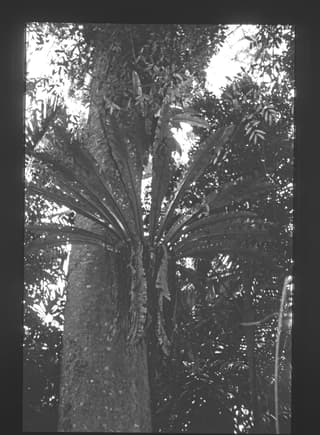
Birds Nest Fern
Asplenium australasicum
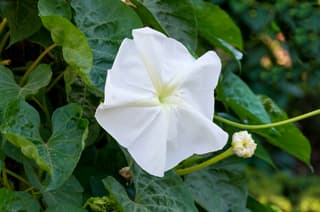
Moonflower
Ipomoea alba
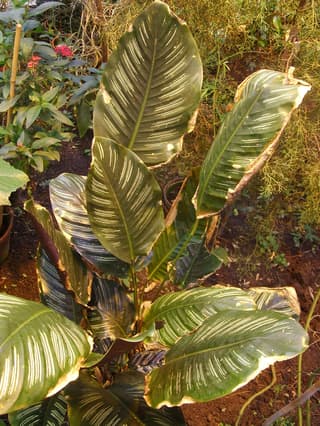
White Star Calathea
Goeppertia majestica
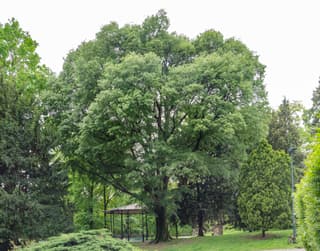
European Nettle Tree
Celtis australis
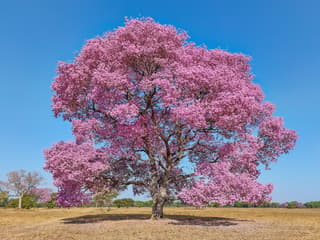
Trumpet Tree
Handroanthus
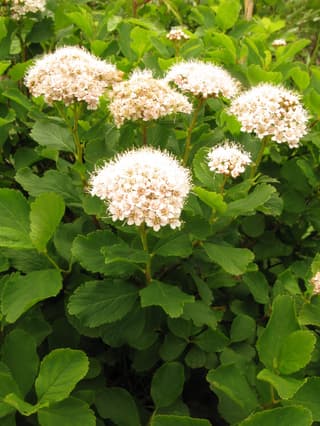
Birchleaf Spirea
Spiraea betulifolia
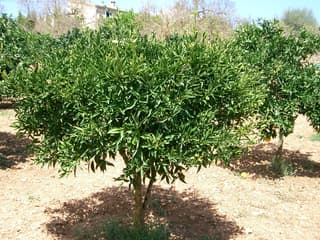
Willowleaf Mandarin
Citrus × aurantium f. deliciosa
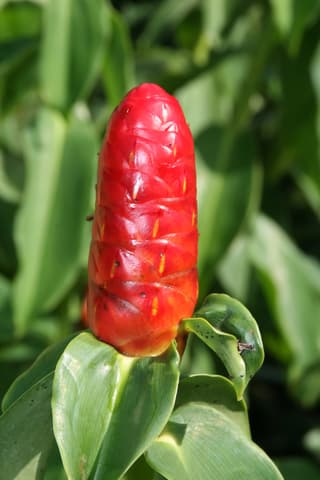
Red Button Ginger
Costus woodsonii
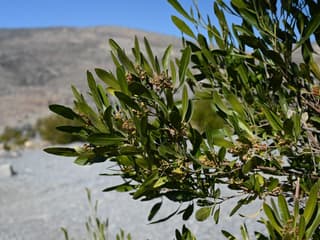
Hop bush
Dodonaea viscosa
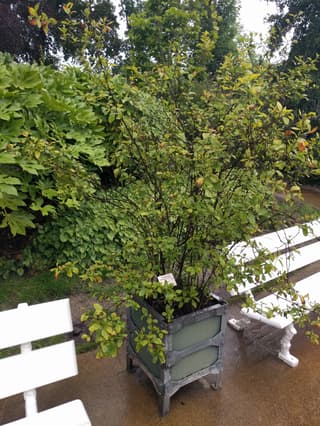
Cape Leadwort
Plumbago auriculata
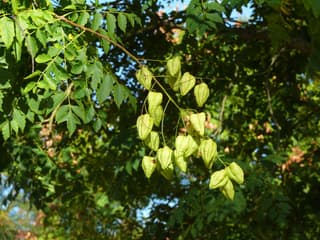
Golden Rain Tree
Koelreuteria paniculata
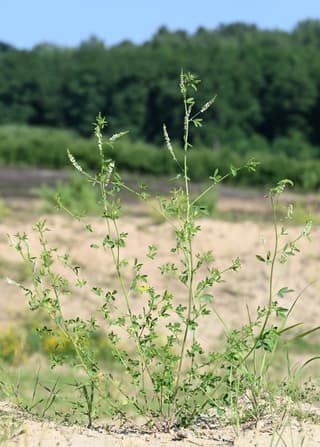
White sweet clover
Melilotus albus
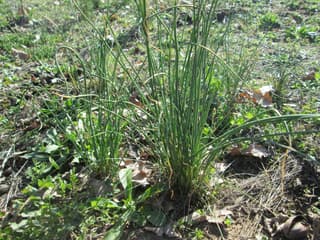
Wild Garlic
Allium vineale
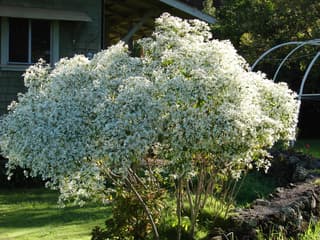
Snow bush
Euphorbia leucocephala
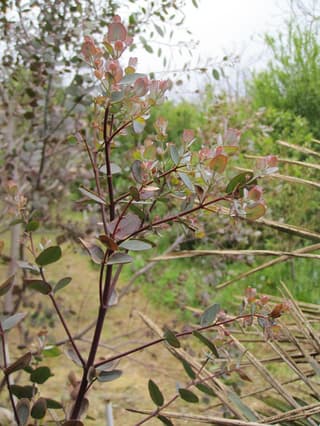
Cider Gum
Eucalyptus gunnii
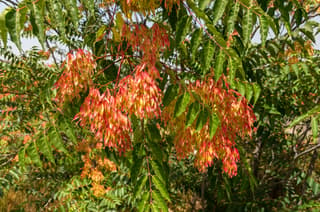
Tree of Heaven
Ailanthus altissima
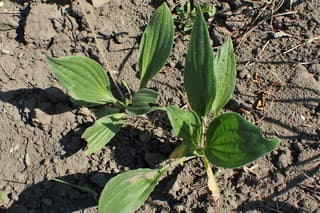
Asian Plantain
Plantago asiatica
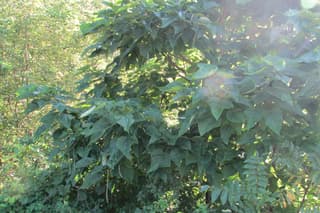
Northern Catalpa
Catalpa speciosa
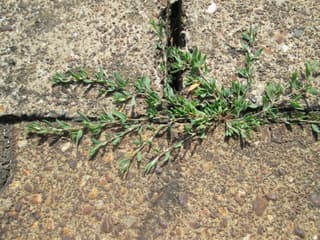
Oval-leaf Knotweed
Polygonum arenastrum
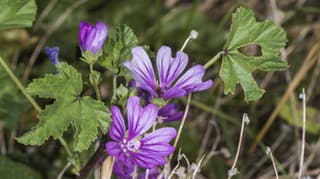
High mallow
Malva sylvestris

Areca palm
Chrysalidocarpus lutescens
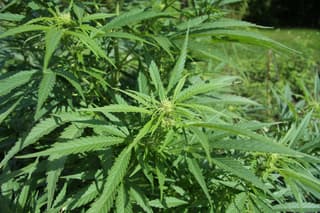
Hemp
Cannabis sativa
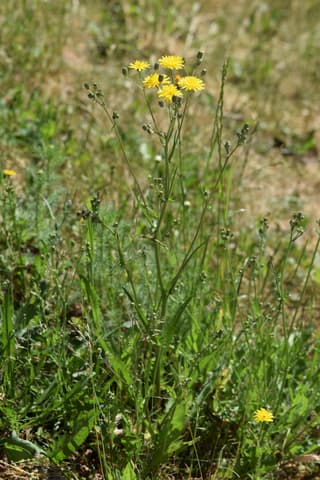
smooth hawksbeard
Crepis capillaris
Kanasín Climate for Plant Growing
Kanasín has a climate with an average annual temperature of 27.1°C and average relative humidity of 71.4%. These climate conditions are ideal for various species of ornamental and fruit plants.
Tips for Growing Plants in Kanasín
To succeed in growing plants in Kanasín, consider the average temperature of 27.1°C when choosing your species. On very hot days, protect plants from direct sun during the most intense hours. High humidity favors tropical plants, but watch for fungal issues.
Why Choose Plants Adapted to the Local Climate?
Plants adapted to Kanasín's climate require less care, consume less water, and are more likely to thrive. Our selection considers the compatibility between each species' needs and local climate conditions, including temperature (27.1°C) and humidity (71.4%).