305 Best Succulents for Millcreek | 2026 Guide - Page 4
The 305 best succulents to grow in Millcreek. Ideal climate: 11.9°C, 49.4% humidity.
305 Succulents for Millcreek
Showing 109-144 of 305
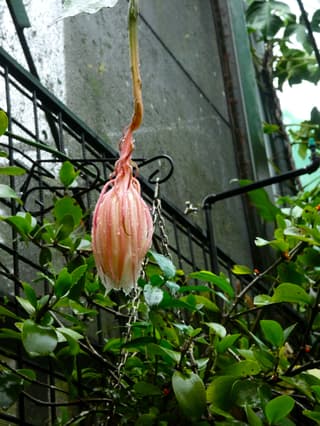
Orchid Cactus
Epiphyllum
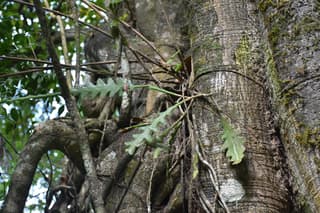
Fishbone Cactus
Disocactus anguliger
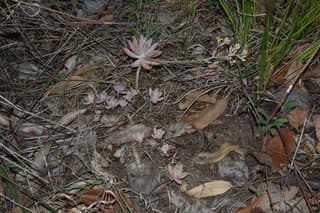
Graptosedum Ghosty
Graptosedum 'Ghosty'
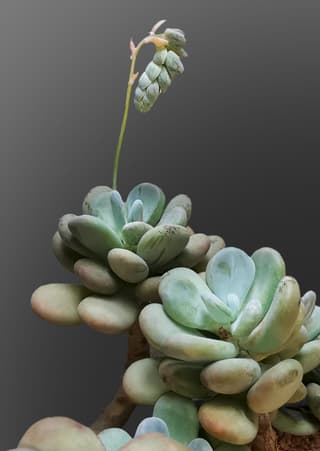
Moonstones
Pachyphytum
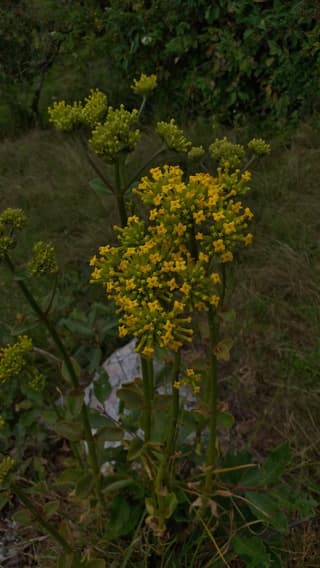
Dense-flowered Kalanchoe
Kalanchoe densiflora
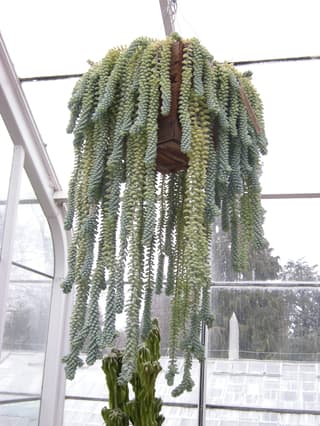
Baby Donkey Tail
Sedum burrito
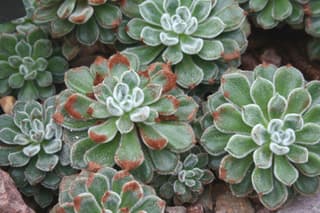
Mexican Firecracker
Echeveria setosa
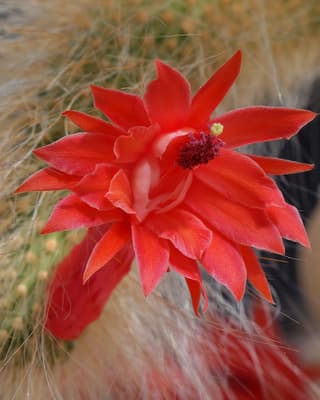
Monkey's Tail Cactus
Hildewintera colademononis
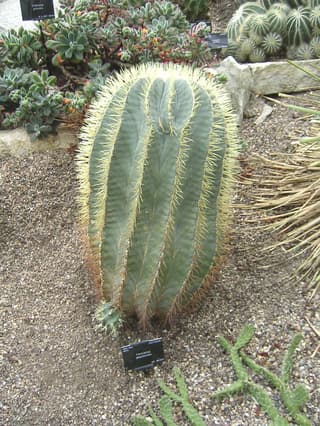
Blue Barrel Cactus
Ferocactus glaucescens
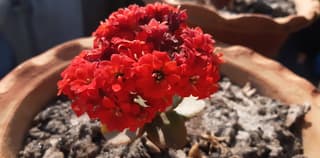
Flaming Katy
Kalanchoe blossfeldiana
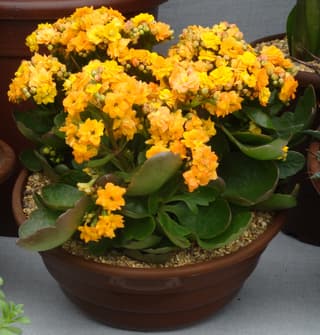
Calandiva
Kalanchoe calandiva
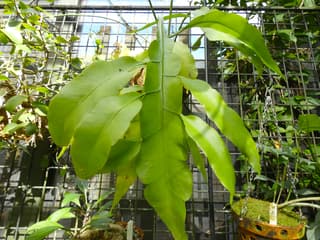
Queen of the Night
Epiphyllum oxypetalum
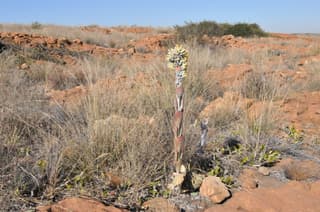
Paddle Plant
Kalanchoe thyrsiflora
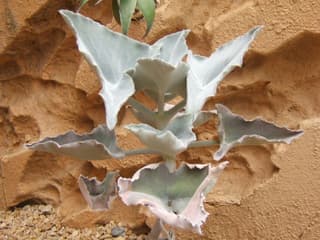
Velvet Elephant Ear
Kalanchoe beharensis
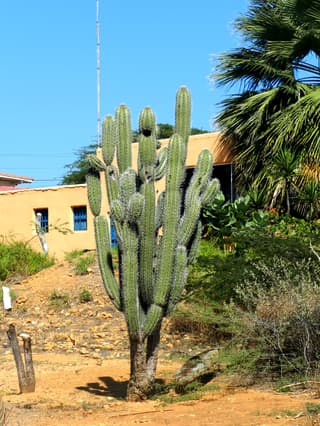
Peruvian Apple Cactus
Cereus repandus
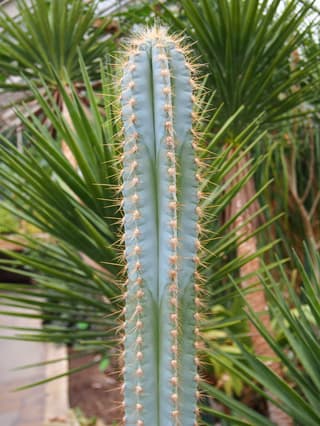
Blue Torch Cactus
Pilosocereus pachycladus
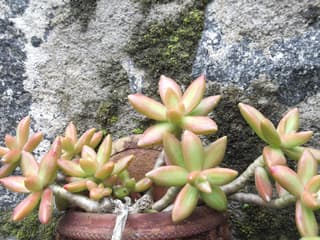
Golden Sedum
Sedum adolphii
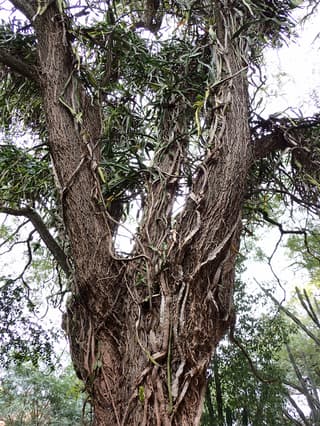
Dragon Fruit
Selenicereus undatus
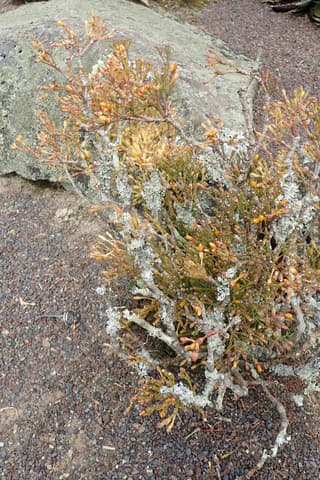
Dancing bones cactus
Hatiora salicornioides
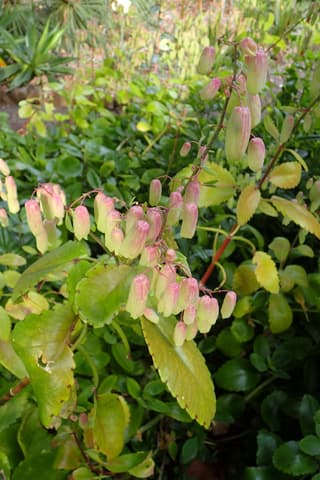
Cathedral Bells
Kalanchoe pinnata
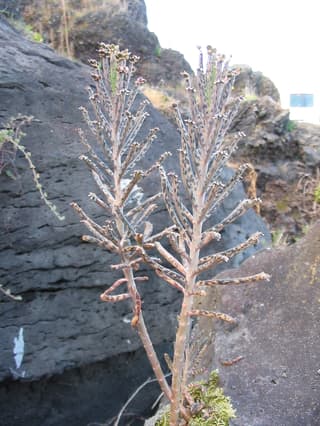
Mother of Millions
Kalanchoe delagoensis
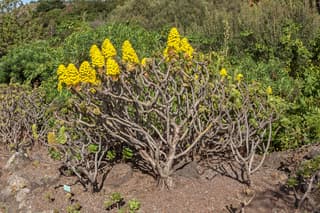
Tree Aeonium
Aeonium arboreum
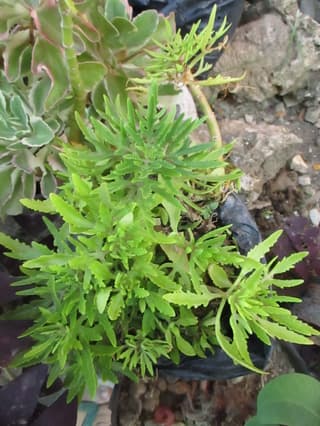
Horned-leaf Kalanchoe
Kalanchoe ceratophylla
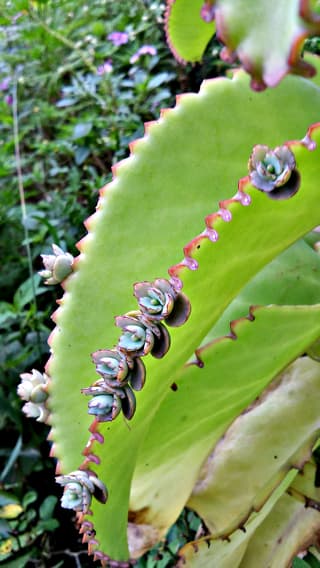
Big Mama Kalanchoe
Kalanchoe laetivirens
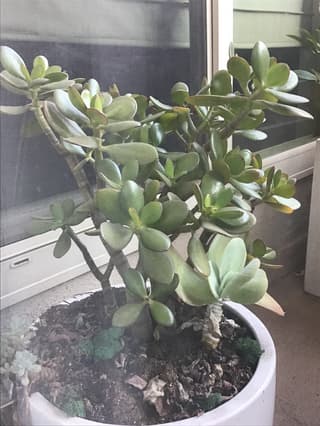
Crassula (genus)
Crassula
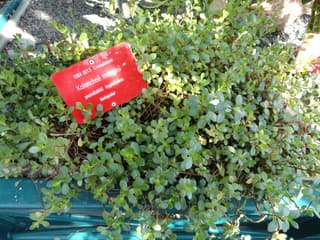
Chandelier Plant
Kalanchoe manginii
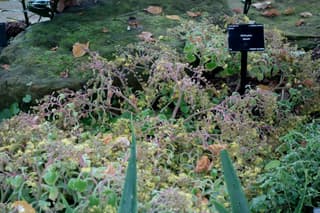
Tree of Love
Aichryson laxum
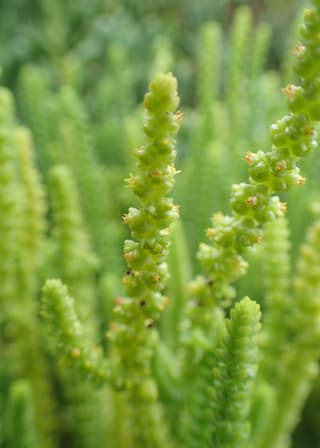
Watch Chain Plant
Crassula muscosa
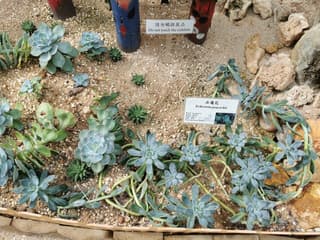
Peacock Echeveria
Echeveria peacockii
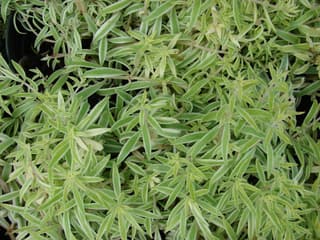
Needle Stonecrop
Sedum lineare
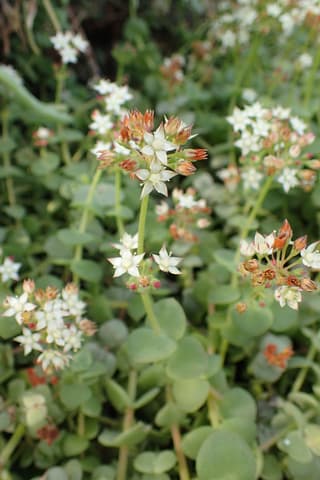
Calico Kitten
Crassula pellucida
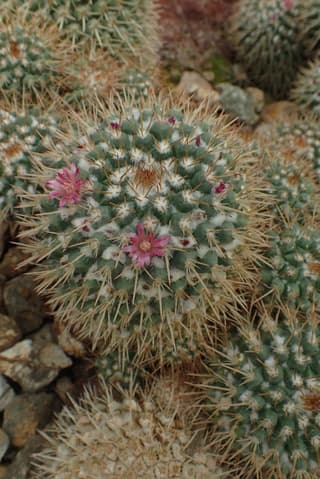
Backeberg's Pincushion Cactus
Mammillaria backebergiana
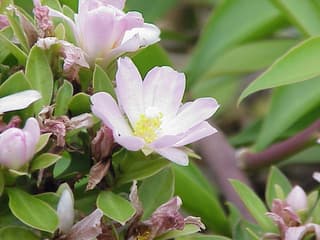
Rose Cactus
Pereskia grandifolia
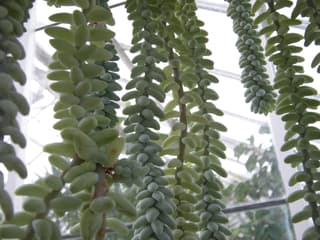
Baby Burro's Tail
Sedum burritum
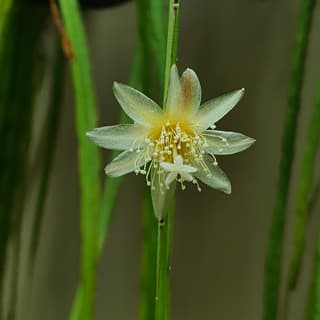
Bolivian Forest Cactus
Pfeiffera boliviana
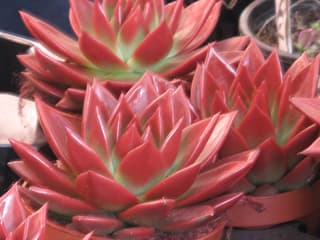
Miranda Echeveria
Echeveria 'Miranda'
Ideal Succulents for Millcreek's Climate
Millcreek has an average temperature of 11.9°C and humidity of 49.4%, conditions that directly influence which succulents best adapt to the local environment.
How to Grow Succulents in Millcreek
To successfully grow succulents in Millcreek, consider that the average temperature of 11.9°C and humidity of 49.4% create a specific microclimate. Lower humidity requires more frequent watering and use of drip trays.
Advantages of Choosing Adapted Succulents
Succulents adapted to Millcreek's climate show greater resistance, healthy growth, and less need for interventions.