500 Best Plants for Nísia Floresta | 2026 Guide - Page 11
Discover the 500 ideal plants for Nísia Floresta's climate. Average temp: 26°C, Humidity: 76.7%.
Top 500 Plants for Nísia Floresta
Showing 361-396 of 500
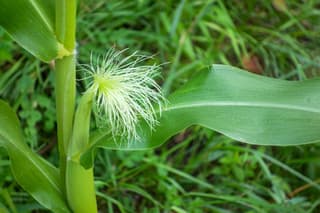
Corn / Maize
Zea
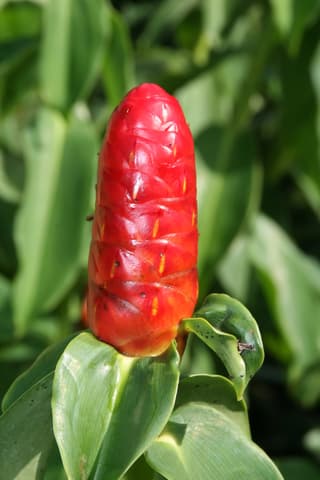
Red Button Ginger
Costus woodsonii
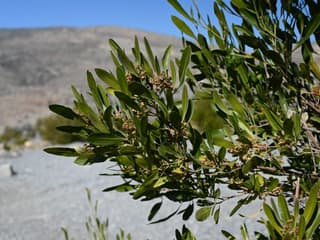
Hop bush
Dodonaea viscosa
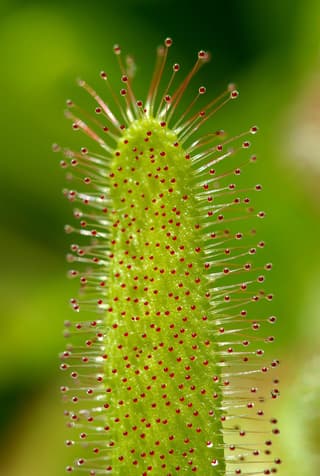
Cape Sundew
Drosera capensis
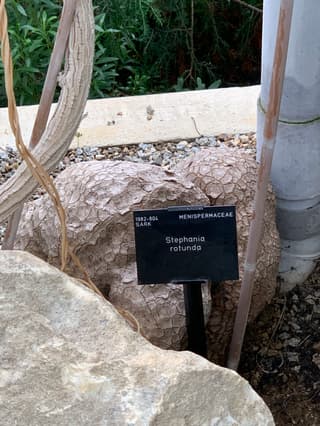
Elephant Foot Plant
Stephania

Bougainvillea
Bougainvillea peruviana
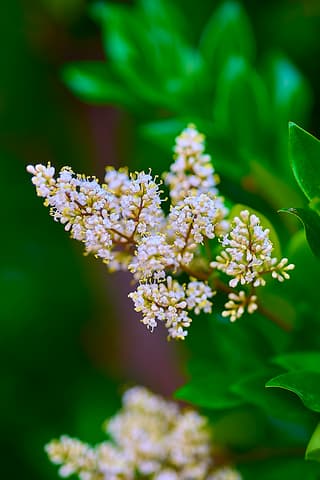
Privet
Ligustrum
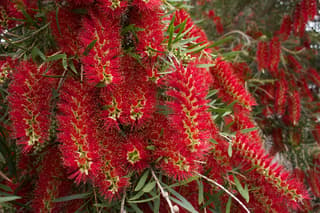
Weeping Bottlebrush
Melaleuca viminalis
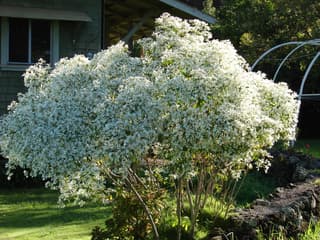
Snow bush
Euphorbia leucocephala
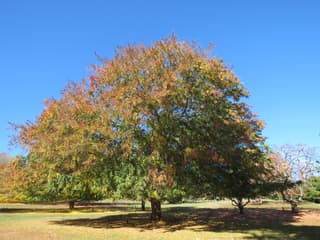
Chinese Elm
Ulmus parvifolia
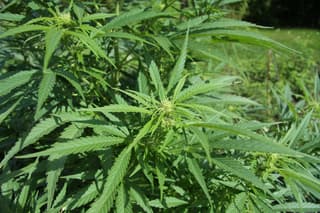
Hemp
Cannabis sativa
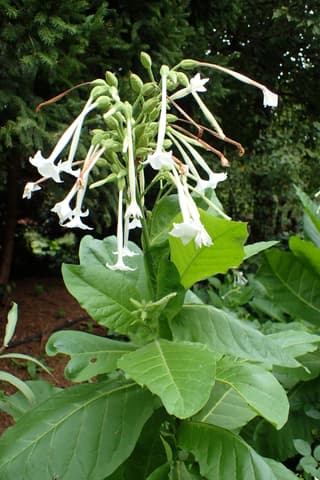
Woodland Tobacco
Nicotiana sylvestris
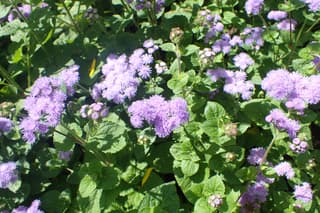
Floss Flower
Ageratum houstonianum
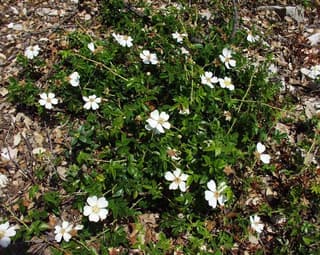
Evergreen Rose
Rosa sempervirens
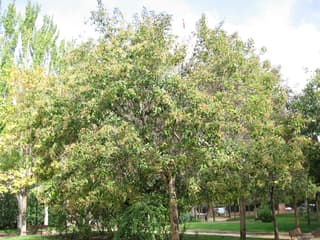
Japanese Privet
Ligustrum japonicum
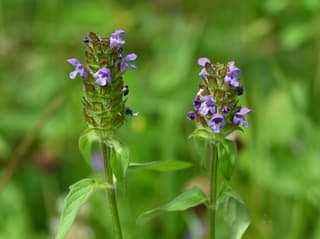
Self-Heal
Prunella vulgaris

Rougeplant
Rivina humilis
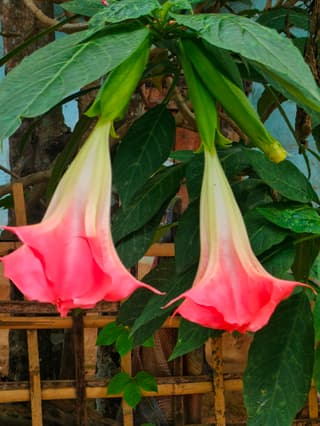
Angel's Trumpet
Brugmansia
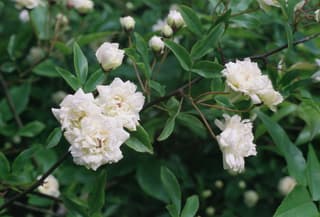
Lady Banks' Rose
Rosa banksiae
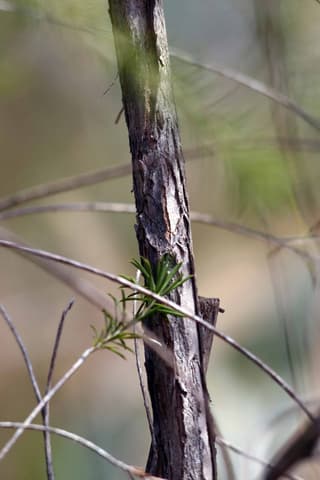
Bracelet Honey Myrtle
Melaleuca armillaris
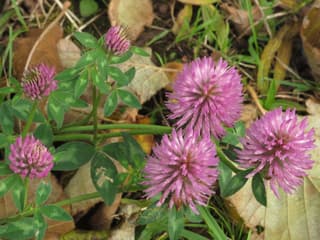
Red Clover
Trifolium pratense
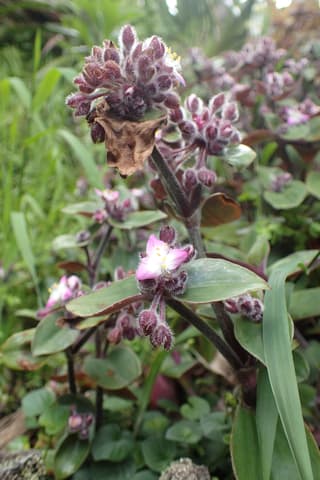
Flowering Inch Plant
Tradescantia cerinthoides
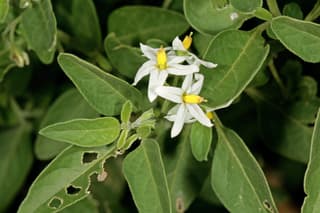
Tall nightshade
Solanum chenopodioides
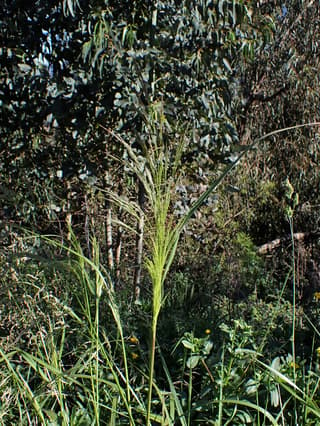
Johnson grass
Sorghum halepense

Common Water-plantain
Alisma plantago-aquatica
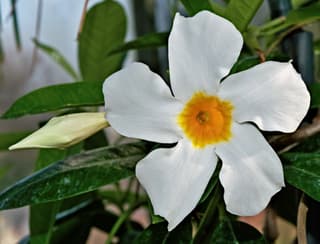
White Rock Trumpet
Mandevilla boliviensis
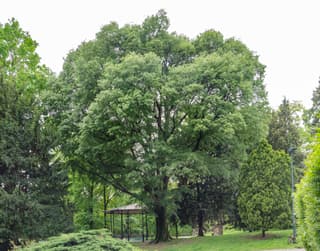
European Nettle Tree
Celtis australis
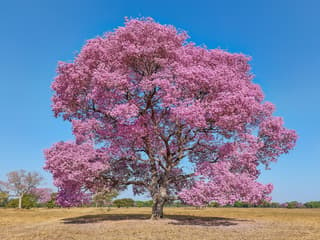
Trumpet Tree
Handroanthus
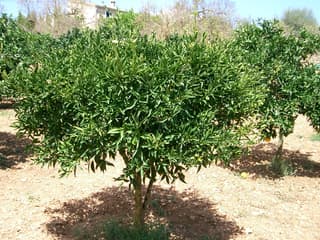
Willowleaf Mandarin
Citrus × aurantium f. deliciosa
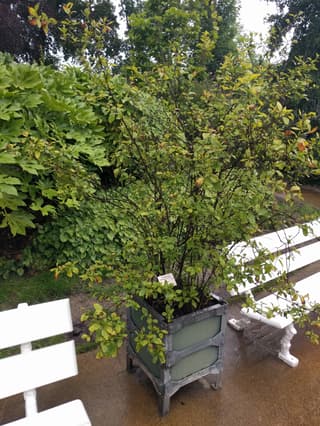
Cape Leadwort
Plumbago auriculata
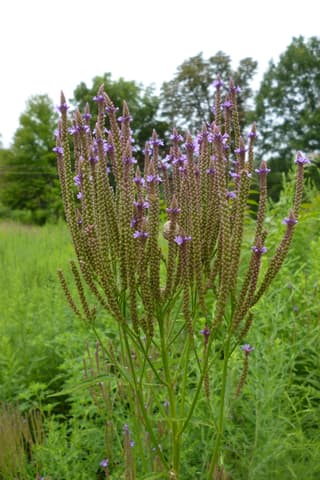
Blue Vervain
Verbena hastata
Dark Fieldcap
Cyclocybe erebia

Wild Lettuce
Lactuca virosa
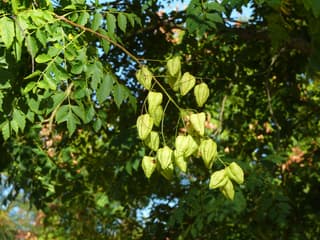
Golden Rain Tree
Koelreuteria paniculata
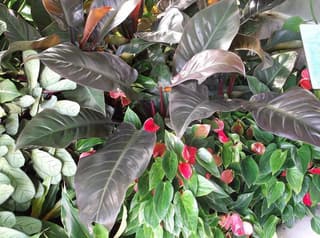
Congo Philodendron
Philodendron tatei
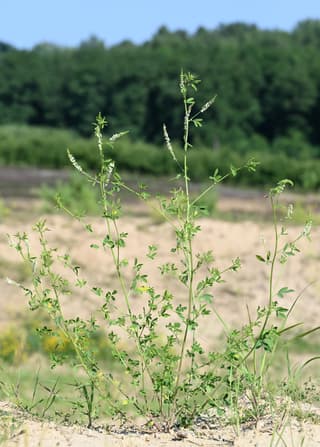
White sweet clover
Melilotus albus
Nísia Floresta Climate for Plant Growing
Nísia Floresta has a climate with an average annual temperature of 26°C and average relative humidity of 76.7%. These climate conditions are ideal for various species of ornamental and fruit plants.
Tips for Growing Plants in Nísia Floresta
To succeed in growing plants in Nísia Floresta, consider the average temperature of 26°C when choosing your species. On very hot days, protect plants from direct sun during the most intense hours. High humidity favors tropical plants, but watch for fungal issues.
Why Choose Plants Adapted to the Local Climate?
Plants adapted to Nísia Floresta's climate require less care, consume less water, and are more likely to thrive. Our selection considers the compatibility between each species' needs and local climate conditions, including temperature (26°C) and humidity (76.7%).