500 Best Pet Safe for Pontal do Paraná | 2026 Guide - Page 9
The 500 best pet safe to grow in Pontal do Paraná. Ideal climate: 22.2°C, 84.5% humidity.
500 Pet Safe for Pontal do Paraná
Showing 289-324 of 500
Phellinidium ferrugineofuscum
Phellinidium ferrugineofuscum
Knight's plume moss
Ptilium crista-castrensis
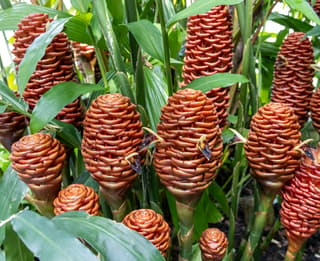
Ginger
Zingiber
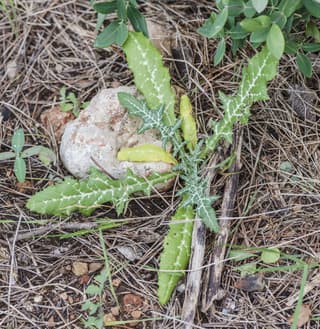
Common Sowthistle
Sonchus oleraceus

Montgomery Palm
Veitchia arecina
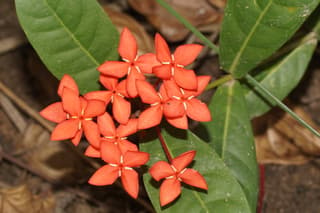
Jungle Geranium
Ixora coccinea
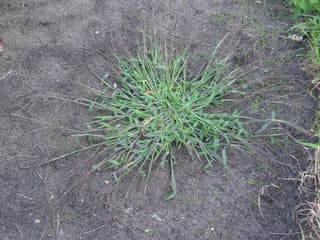
hairy crabgrass
Digitaria sanguinalis
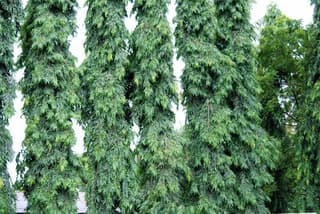
Mast Tree
Polyalthia longifolia
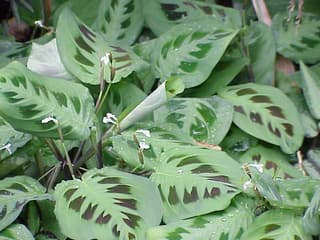
Prayer Plant
Maranta leuconeura
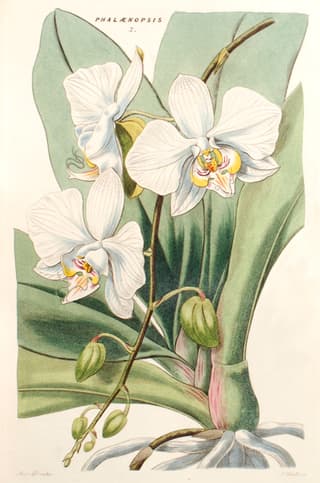
Moon Orchid
Phalaenopsis amabilis
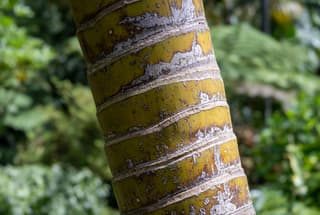
Areca Palm
Dypsis lutescens
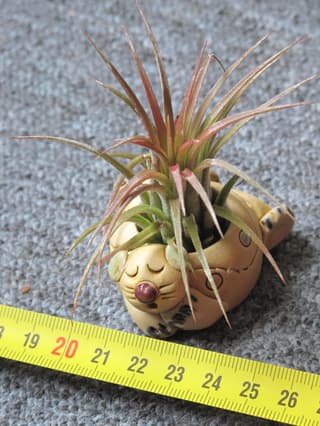
Sky Plant
Tillandsia ionantha
Porcini and Allies
Boletus
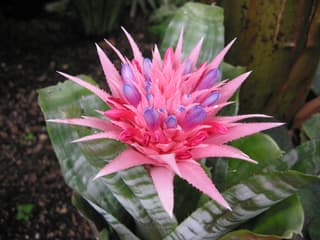
Urn Plant
Aechmea fasciata
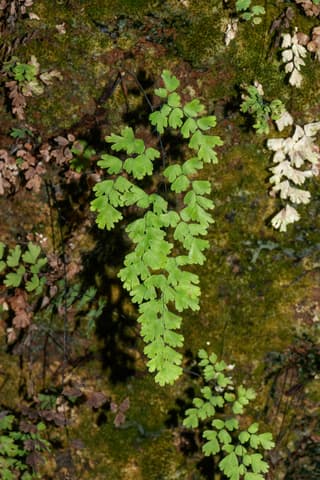
Maidenhair Fern
Adiantum capillus-veneris
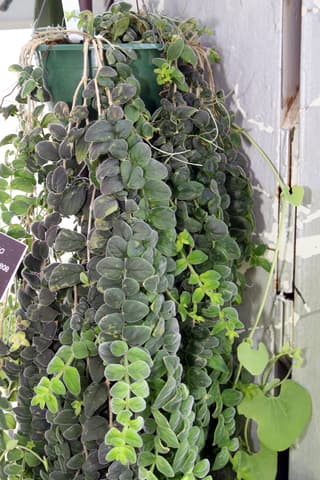
Goldfish plant
Columnea microcalyx
Red-cracking Bolete
Xerocomellus chrysenteron
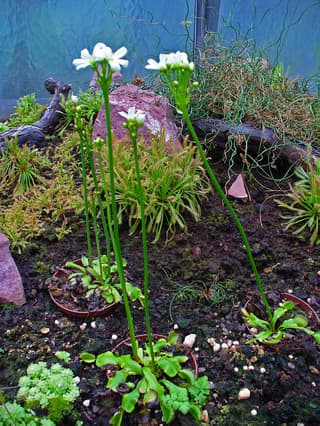
Venus Flytrap
Dionaea muscipula
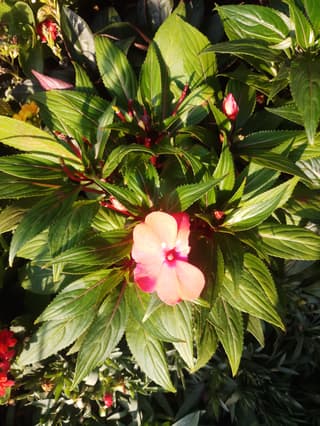
Busy Lizzie
Impatiens walleriana
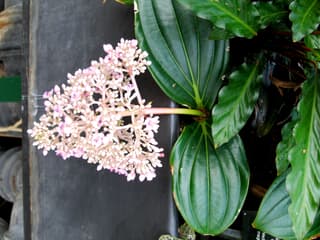
Rose Grape
Medinilla magnifica

Bangalow Palm
Archontophoenix cunninghamiana
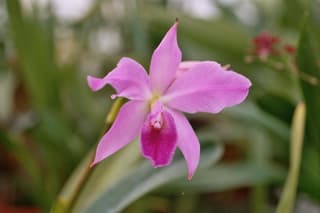
Cattleya Orchid
Cattleya spp
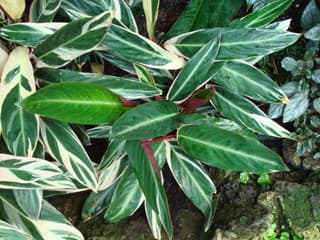
Never Never Plant
Ctenanthe oppenheimiana
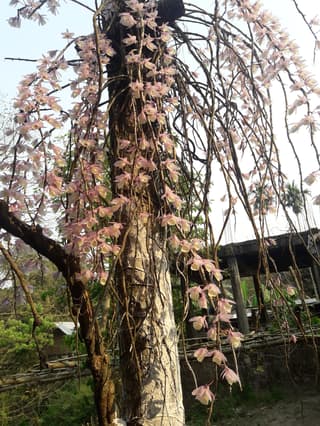
Hooded Orchid
Dendrobium aphyllum
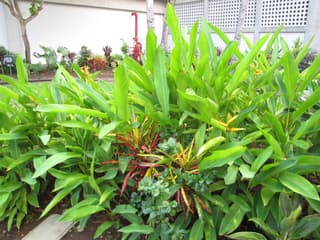
Parrot Heliconia
Heliconia psittacorum
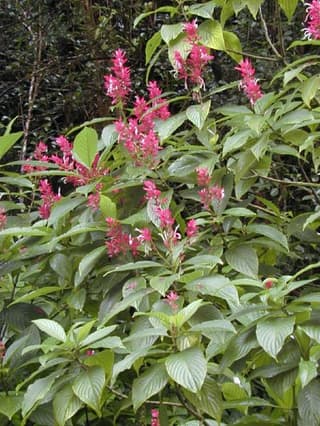
Brazilian Red Cloak
Megaskepasma erythrochlamys
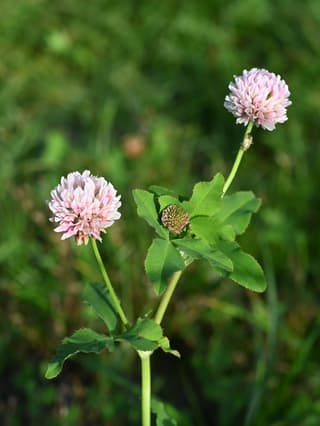
Alsike Clover
Trifolium hybridum
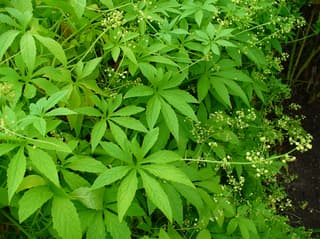
Caigua
Cyclanthera pedata
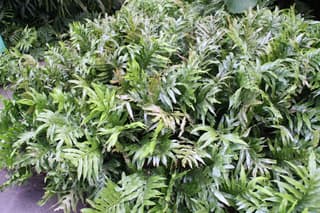
Wart Fern
Phymatosorus scolopendria
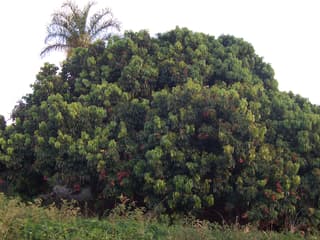
Lychee
Litchi chinensis
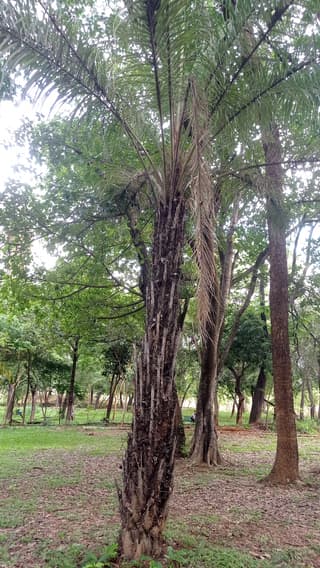
Macaw Palm
Acrocomia aculeata
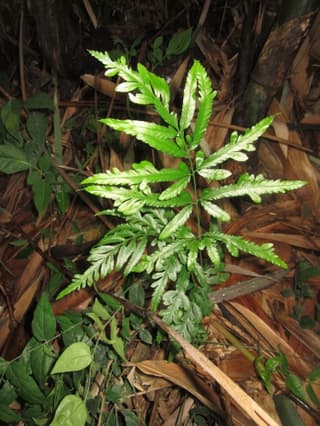
Silver Lace Fern
Pteris ensiformis
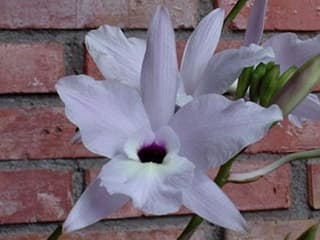
Rosy Tinted Laelia
Laelia rubescens
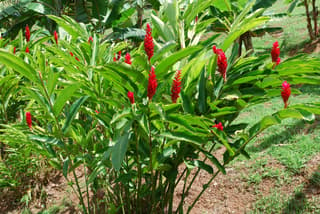
Red Ginger
Alpinia purpurata
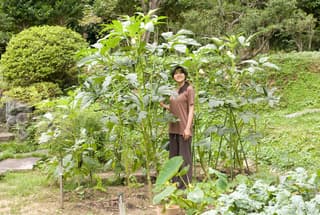
Okra
Abelmoschus esculentus
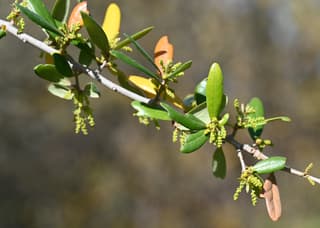
Southern Live Oak
Quercus virginiana
Ideal Pet Safe for Pontal do Paraná's Climate
Pontal do Paraná has an average temperature of 22.2°C and humidity of 84.5%, conditions that directly influence which pet safe best adapt to the local environment.
How to Grow Pet Safe in Pontal do Paraná
To successfully grow pet safe in Pontal do Paraná, consider that the average temperature of 22.2°C and humidity of 84.5% create a specific microclimate. High humidity favors tropical species, but requires attention to ventilation to prevent fungal issues.
Advantages of Choosing Adapted Pet Safe
Pet Safe adapted to Pontal do Paraná's climate show greater resistance, healthy growth, and less need for interventions.